

ExampleHear a solved question
0:00
Question
关于那趟出差,可以知道什么?
Transcript
男
经理,这趟出差只有我一个人去吗?
女
这次的任务有些复杂,小周会和你一起去。
汉语水平考试 HSK(四级)模拟考试
Mock exam
Want automatic grading or more mock exams? The app grades every section, including speaking and writing, and has 10 mock exams for each level.
Download the app
32 questions · 20 minutes in the real exam
听对话,选择正确答案。Listen to the dialogue and choose the right answer.
Question
关于那趟出差,可以知道什么?
Transcript
经理,这趟出差只有我一个人去吗?
这次的任务有些复杂,小周会和你一起去。
Question
Xiàwǔ liǎng diǎn de huì zài nǎli kāi?
下午两点的会在哪里开?
Where is the two o'clock meeting held?
Transcript
王经理,下午两点的会定在哪个会议室?
Wáng jīnglǐ, xiàwǔ liǎng diǎn de huì dìng zài nǎ ge huìyìshì?
Manager Wang, which meeting room is the two o'clock meeting in?
本来在五楼的小会议室,市场部先订了,改到八楼的大会议室了。
Běnlái zài wǔ lóu de xiǎo huìyìshì, shìchǎng bù xiān dìng le, gǎi dào bā lóu de dà huìyìshì le.
It was booked in the small meeting room on the fifth floor, but the marketing department booked it first, so it has been moved to the big meeting room on the eighth floor.
Question
Nǚ de wèishénme yào qù sān lóu?
女的为什么要去三楼?
Why is the woman going to the third floor?
Transcript
小林,这台打印机又坏了,我急着打印给经理看的文件呢。
Xiǎo Lín, zhè tái dǎyìnjī yòu huài le, wǒ jízhe dǎyìn gěi jīnglǐ kàn de wénjiàn ne.
Xiaolin, this printer is broken again, and I'm in a hurry to print the documents for the manager.
你别着急,三楼还有一台,你先去那儿打吧。
Nǐ bié zháojí, sān lóu hái yǒu yì tái, nǐ xiān qù nàr dǎ ba.
Don't worry, there's another one on the third floor. Go print there first.
太好了,谢谢!
Tài hǎo le, xièxie!
Great, thanks!
Question
Nán de míngtiān wèishénme bù shàngbān?
男的明天为什么不上班?
Why isn't the man coming to work tomorrow?
Transcript
王经理,我明天想请一天假,去医院看病。
Wáng jīnglǐ, wǒ míngtiān xiǎng qǐng yì tiān jià, qù yīyuàn kàn bìng.
Manager Wang, I'd like to take a day off tomorrow to see a doctor.
可以。你把工作跟小林交接好,别忘了周三还有一个会。
Kěyǐ. Nǐ bǎ gōngzuò gēn Xiǎo Lín jiāojiē hǎo, bié wàngle zhōusān hái yǒu yí ge huì.
All right. Hand your work over to Xiaolin properly, and don't forget there's a meeting on Wednesday.
Question
Nán de yuánlái mǎi de shì nǎ tiān de huǒchēpiào?
男的原来买的是哪天的火车票?
Which day's train ticket did the man originally buy?
Transcript
小谢,下周去上海的火车票买好了吗?
Xiǎo Xiè, xià zhōu qù Shànghǎi de huǒchēpiào mǎi hǎo le ma?
Xiaoxie, have you bought the train tickets to Shanghai for next week?
买好了。本来买的周二的票,可是那个会改到周三了,我得去改票。
Mǎi hǎo le. Běnlái mǎi de zhōu'èr de piào, kěshì nà ge huì gǎi dào zhōusān le, wǒ děi qù gǎipiào.
I originally bought Tuesday tickets, but the meeting has moved to Wednesday, so I need to change them.
Question
Nán de wèishénme yào qǐng nǚ de chīfàn?
男的为什么要请女的吃饭?
Why does the man invite the woman to lunch?
Transcript
小美,听说你是上周新来的?中午跟我们一起吃饭吧,正好认识一下。
Xiǎo Měi, tīngshuō nǐ shì shàng zhōu xīn lái de? Zhōngwǔ gēn wǒmen yìqǐ chīfàn ba, zhènghǎo rènshi yíxià.
Xiaomei, I heard you joined last week? Have lunch with us; a good chance to get to know each other.
太好了,我一直想多认识几个同事。
Tài hǎo le, wǒ yìzhí xiǎng duō rènshi jǐ ge tóngshì.
Great, I've been wanting to get to know more colleagues.
Question
Gōngzī shénme shíhou néng dào?
工资什么时候能到?
When will the salary arrive?
Transcript
这个月的工资怎么还没有发?
Zhè ge yuè de gōngzī zěnme hái méiyǒu fā?
Why hasn't this month's salary been paid yet?
本来十号发,可是十号正好是星期天,银行不上班,要等到下周一才能到。
Běnlái shí hào fā, kěshì shí hào zhènghǎo shì xīngqītiān, yínháng bù shàngbān, yào děng dào xià zhōuyī cáinéng dào.
It was due on the tenth, but the tenth falls on a Sunday. The bank is closed, so it won't arrive until next Monday.
Question
Nǚ de wèishénme huàn zuòwèi?
女的为什么换座位?
Why did the woman change seats?
Transcript
小周,你怎么把东西搬到窗边来了?
Xiǎo Zhōu, nǐ zěnme bǎ dōngxi bān dào chuāng biān lái le?
Xiaozhou, why did you move your things over by the window?
这边亮一些,离打印机也近,拿文件方便。
Zhèbiān liàng yìxiē, lí dǎyìnjī yě jìn, ná wénjiàn fāngbiàn.
It's brighter here and close to the printer, so it's easy to get documents.
我说呢,原来是为了工作方便。
Wǒ shuō ne, yuánlái shì wèile gōngzuò fāngbiàn.
I see, so it's to make work easier.
Question
Gōngsī zài shénme shíhou kāi wǎnhuì?
公司在什么时候开晚会?
When is the company holding the party?
Transcript
李女士,公司年底的晚会定在哪天开?
Lǐ nǚshì, gōngsī niándǐ de wǎnhuì dìng zài nǎ tiān kāi?
Ms Li, which day is the company's year-end party?
定在一月十五号,地点还是去年那个饭店。
Dìng zài yí yuè shíwǔ hào, dìdiǎn háishì qùnián nà ge fàndiàn.
It's set for January 15th, at the same hotel as last year.
节目准备得怎么样了?我们部门想唱歌。
Jiémù zhǔnbèi de zěnmeyàng le? Wǒmen bùmén xiǎng chàng gē.
How are the performances coming along? Our department wants to sing.
可以,你们把歌名这个周五之前发给我,我先排一下顺序。
Kěyǐ, nǐmen bǎ gēmíng zhège zhōuwǔ zhīqián fā gěi wǒ, wǒ xiān pái yíxià shùnxù.
Fine. Send me your song titles before this Friday and I'll put them in order.
Question
Miànshì zuìhòu dìng zài shénme shíhou?
面试最后定在什么时候?
When is the interview finally set for?
Transcript
王明先生您好,跟您定一下,明天上午十点来我们公司面试。
Wáng Míng xiānsheng nín hǎo, gēn nín dìng yíxià, míngtiān shàngwǔ shí diǎn lái wǒmen gōngsī miànshì.
Hello Mr Wang Ming, let me set this up with you: come to our office at ten tomorrow morning for the interview.
不好意思,我明天上午有个急事,能不能改到下午?
Bù hǎoyìsi, wǒ míngtiān shàngwǔ yǒu ge jíshì, néng bùnéng gǎi dào xiàwǔ?
I'm sorry, something urgent came up tomorrow morning. Could it be moved to the afternoon?
下午我们经理三点以后有空,您三点半来,可以吗?
Xiàwǔ wǒmen jīnglǐ sān diǎn yǐhòu yǒu kòng, nín sān diǎn bàn lái, kěyǐ ma?
Our manager is free after three in the afternoon. Could you come at three thirty?
可以,三点半我一定到。
Kěyǐ, sān diǎn bàn wǒ yídìng dào.
Yes, I'll definitely be there at three thirty.
Question
Tāmen wèishénme yào bānjiā?
他们为什么要搬家?
Why are they moving?
Transcript
小林,听说我们下个月要搬到三楼?
Xiǎo Lín, tīngshuō wǒmen xià ge yuè yào bān dào sān lóu?
Xiaolin, I heard we're moving to the third floor next month?
对,公司不要五楼的办公室了,我们全部搬到三楼去。
Duì, gōngsī bú yào wǔ lóu de bàngōngshì le, wǒmen quánbù bān dào sān lóu qù.
Right. The company is giving up the fifth-floor office and we're all moving to the third floor.
那电脑呢?我最怕电脑出问题。
Nà diànnǎo ne? Wǒ zuì pà diànnǎo chū wèntí.
And the computers? I'm most afraid of computer problems.
搬之前把里面的文件都存好,搬完以后先别急着开,等检查完了再用。
Bān zhīqián bǎ lǐmiàn de wénjiàn dōu cún hǎo, bān wán yǐhòu xiān bié jízhe kāi, děng jiǎnchá wán le zài yòng.
Keep all the files safe before the move, and after it don't rush to switch on; wait until they've been checked.
Question
Qǐngjiàtiáo yǒu shénme wèntí?
请假条有什么问题?
What is wrong with the leave form?
Transcript
张先生,你上周交的请假条有问题,日期写错了。
Zhāng xiānsheng, nǐ shàng zhōu jiāo de qǐngjiàtiáo yǒu wèntí, rìqī xiě cuò le.
Mr Zhang, there's a problem with the leave form you handed in last week: the date is wrong.
啊?我写的是下周一到周三。
A? Wǒ xiě de shì xià zhōuyī dào zhōusān.
What? I wrote next Monday to Wednesday.
可是表上写的是这个月的一号到三号,你写的是上个月的。
Kěshì biǎo shàng xiě de shì zhège yuè de yí hào dào sān hào, nǐ xiě de shì shàng ge yuè de.
But the form says the 1st to the 3rd of this month; you've written last month's.
真不好意思,我马上再写一张。
Zhēn bù hǎoyìsi, wǒ mǎshàng zài xiě yì zhāng.
I'm really sorry. I'll write a new one right away.
Question
Xià zhōusì shéi yào lái gōngsī?
下周四谁要来公司?
Who is coming to the company next Thursday?
Transcript
李女士,下周四另一家公司的人要来我们公司参观,你负责安排。
Lǐ nǚshì, xià zhōusì lìng yì jiā gōngsī de rén yào lái wǒmen gōngsī cānguān, nǐ fùzé ānpái.
Ms Li, people from another company are coming to visit ours next Thursday. You're in charge of the arrangements.
好的,他们几点到?一共几个人?
Hǎo de, tāmen jǐ diǎn dào? Yígòng jǐ ge rén?
All right. What time do they arrive? How many are coming?
上午十点到,一共五个人,其中有他们的王经理。
Shàngwǔ shí diǎn dào, yígòng wǔ ge rén, qízhōng yǒu tāmen de Wáng jīnglǐ.
Ten in the morning, five people in total, including their Manager Wang.
我先把会议室准备好,再订午饭。
Wǒ xiān bǎ huìyìshì zhǔnbèi hǎo, zài dìng wǔfàn.
I'll get the meeting room ready first, then order lunch.
Question
Jīnglǐ ràng nán de xià zhōu zuò shénme?
经理让男的下周做什么?
What does the manager ask the man to do next week?
Transcript
小文,这个星期你加了三天班,辛苦你了。
Xiǎo Wén, zhège xīngqī nǐ jiā le sān tiān bān, xīnkǔ nǐ le.
Xiaowen, you've worked overtime three days this week. Thank you for the hard work.
应该的,那份材料今天必须做完,晚一天就来不及了。
Yīnggāi de, nà fèn cáiliào jīntiān bìxū zuò wán, wǎn yì tiān jiù láibují le.
It's my job. The report has to be finished today; a day late and it would be too late.
这样吧,下周你选一天在家休息,工资照发。
Zhèyàng ba, xià zhōu nǐ xuǎn yì tiān zài jiā xiūxi, gōngzī zhào fā.
Here's the deal: pick a day next week to rest at home, with full pay.
真的吗?那太谢谢您了!
Zhēn de ma? Nà tài xièxie nín le!
Really? Thank you so much!
Question
Nǚ de zuìhòu juédìng zěnme biǎoyǎn?
女的最后决定怎么表演?
What does the woman finally decide to do?
Transcript
晚会的节目你准备得怎么样了?
Wǎnhuì de jiémù nǐ zhǔnbèi de zěnmeyàng le?
How is your performance for the party coming along?
别提了,我一个人唱歌就紧张,怕唱得不好。
Bié tí le, wǒ yí ge rén chàng gē jiù jǐnzhāng, pà chàng de bù hǎo.
Don't ask. Singing alone makes me nervous; I'm afraid it won't sound good.
没事,去年王经理唱得也不好,大家还是很高兴。
Méishì, qùnián Wáng jīnglǐ chàng de yě bù hǎo, dàjiā háishì hěn gāoxìng.
It's fine. Manager Wang sang badly last year too, and everyone still enjoyed it.
那我跟小美两个人一起唱一首简单的吧,两个人心里也不那么紧张。
Nà wǒ gēn Xiǎo Měi liǎng ge rén yìqǐ chàng yì shǒu jiǎndān de ba, liǎng ge rén xīnli yě bù nàme jǐnzhāng.
Then Xiaomei and I will sing a simple song together; less nerve-racking with two of us.
听一段话,选择正确答案。Listen to the passage and choose the right answer.
Question
说话人让弟弟帮忙做什么?
Transcript
弟弟,我今天要给爷爷寄点儿茶叶,已经跟快递员约好了上门取件,不过一会儿我要出去一趟。要是快递员来了,你直接把东西给他就行。
Question
Yǐhòu yào bàngōng de dōngxi yīnggāi zěnme zuò?
以后要办公的东西应该怎么做?
What should you do when you need office items in the future?
Transcript
各位同事,从下个月起,拿办公的东西有了新的办法。大家要什么,先写一张申请表,写清楚名字和数量,每周四以前交给前台。交晚了,就要再等一个星期。另外,请大家按需要申请,不要一次要太多,浪费是不好的习惯。
Gè wèi tóngshì, cóng xià ge yuè qǐ, ná bàngōng de dōngxi yǒu le xīn de bànfǎ. Dàjiā yào shénme, xiān xiě yì zhāng shēnqǐng biǎo, xiě qīngchu míngzi hé shùliàng, měi zhōu sì yǐqián jiāo gěi qiántái. Jiāo wǎn le, jiù yào zài děng yí ge xīngqī. Lìngwài, qǐng dàjiā àn xūyào shēnqǐng, búyào yí cì yào tài duō, làngfèi shì bù hǎo de xíguàn.
Colleagues, starting next month there's a new way to get office supplies. Write an application form saying what you need and how much, and hand it in to the front desk before Thursday each week. If it's late, you'll wait another week. Also, apply according to need: don't ask for too much at once; waste is a bad habit.
Question
Zhège xīngqīliù shàngwǔ huì zěnmeyàng?
这个星期六上午会怎么样?
What will happen this Saturday morning?
Transcript
通知:这个星期六上午八点到十二点,楼里停电,要检查电路。停电期间,电梯也不能用。请大家提前把电脑里的文件都存好,把电脑关掉。有急事的同事,可以到三楼的小办公室工作。
Tōngzhī: zhège xīngqīliù shàngwǔ bā diǎn dào shí'èr diǎn, lóu li tíngdiàn, yào jiǎnchá diànlù. Tíngdiàn qījiān, diàntī yě bùnéng yòng. Qǐng dàjiā tíqián bǎ diànnǎo lǐ de wénjiàn dōu cún hǎo, bǎ diànnǎo guān diào. Yǒu jíshì de tóngshì, kěyǐ dào sān lóu de xiǎo bàngōngshì gōngzuò.
Notice: this Saturday from eight to twelve in the morning the power will be off in the building so the electrics can be checked. During the outage the lifts won't work either. Please save your computer files in advance and switch your computers off. Colleagues with urgent work can use the small office on the third floor.
Question
Shuōhuàrén jīntiān shàngbān de gǎnjué zěnmeyàng?
说话人今天上班的感觉怎么样?
How did the speaker feel on her first day?
Transcript
今天是我上班的第一天,心里特别紧张。早上我提前半个小时就到了公司,可是我忘带进门要用的卡了,在门口等了好一会儿。同事小林看见我,帮我去前台说了情况,才把我带了进去。坐下以后我又发现,我的电脑还没有弄好。虽然不太顺利,可是大家都对我笑,跟我说欢迎,我心里一下子就舒服多了。
Jīntiān shì wǒ shàngbān de dì yì tiān, xīnli tèbié jǐnzhāng. Zǎoshang wǒ tíqián bàn ge xiǎoshí jiù dào le gōngsī, kěshì wǒ wàng dài jìnmén yào yòng de kǎ le, zài ménkǒu děng le hǎo yíhuìr. Tóngshì Xiǎo Lín kànjiàn wǒ, bāng wǒ qù qiántái shuō le qíngkuàng, cái bǎ wǒ dài le jìnqù. Zuò xià yǐhòu wǒ yòu fāxiàn, wǒ de diànnǎo hái méiyǒu nòng hǎo. Suīrán bú tài shùnlì, kěshì dàjiā dōu duì wǒ xiào, gēn wǒ shuō huānyíng, wǒ xīnli yíxiàzi jiù shūfu duō le.
Today was my first day at work and I was really nervous. I got to the office half an hour early, but I'd forgotten the card you need to get in, and I waited at the door for quite a while. My colleague Xiaolin saw me, explained at the front desk, and brought me in. Once I sat down I found my computer wasn't set up yet. It didn't go smoothly, but everyone smiled and welcomed me, and I felt much better at once.
Question
Shénme shíhou bān bàngōngshì?
什么时候搬办公室?
When is the office moving?
Transcript
各位同事:这个周末,我们要把办公室从五楼搬到三楼。请大家周五下班以前把自己的东西收好,写上名字。桌子和椅子不用管,到时候有人帮忙搬。电脑最重要,搬家以前把里面的文件都存好。下周一早上,大家直接到三楼上班,有问题打前台的电话。
Gè wèi tóngshì: zhège zhōumò, wǒmen yào bǎ bàngōngshì cóng wǔ lóu bān dào sān lóu. Qǐng dàjiā zhōuwǔ xiàbān yǐqián bǎ zìjǐ de dōngxi shōu hǎo, xiě shàng míngzi. Zhuōzi hé yǐzi bú yòng guǎn, dàoshíhou yǒu rén bāngmáng bān. Diànnǎo zuì zhòngyào, bānjiā yǐqián bǎ lǐmiàn de wénjiàn dōu cún hǎo. Xià zhōuyī zǎoshang, dàjiā zhíjiē dào sān lóu shàngbān, yǒu wèntí dǎ qiántái de diànhuà.
Colleagues: this weekend we're moving the office from the fifth floor to the third. Pack up your things and label them before you leave work on Friday. Desks and chairs will be moved for you. Computers matter most; save the files inside before the move. Next Monday morning, go straight to the third floor; call the front desk if there are problems.
Question
Huìyì wèishénme yào gǎi shíjiān?
会议为什么要改时间?
Why does the meeting have to move?
Transcript
王经理您好,我是小美。明天上午九点的会开不了了,因为三楼的会议室被别的部门订走了。我想改到后天下午两点,还在原来的会议室。会还是讨论下个月的计划,时间不变,还是一个半小时。您方便的话,回个电话给我,谢谢您。
Wáng jīnglǐ nín hǎo, wǒ shì Xiǎo Měi. Míngtiān shàngwǔ jiǔ diǎn de huì kāi bù liǎo le, yīnwèi sān lóu de huìyìshì bèi bié de bùmén dìng zǒu le. Wǒ xiǎng gǎi dào hòutiān xiàwǔ liǎng diǎn, hái zài yuánlái de huìyìshì. Huì háishì tǎolùn xià ge yuè de jìhuà, shíjiān bú biàn, háishì yí ge bàn xiǎoshí. Nín fāngbiàn de huà, huí ge diànhuà gěi wǒ, xièxie nín.
Hello Manager Wang, this is Xiaomei. Tomorrow's nine o'clock meeting can't go ahead because the third-floor meeting room has been booked by another department. I'd like to move it to two o'clock the day after tomorrow, same meeting room. It's still about next month's plan, still an hour and a half. Please call me back when convenient. Thank you.
Question
Huàn xīn diànnǎo yǐqián, dàjiā yào zuò shénme?
换新电脑以前,大家要做什么?
What should everyone do before the new computers arrive?
Transcript
通知:下周一开始,办公室要换新电脑。搬新电脑的人来之前,请大家把需要的文件先发到自己的邮箱里。新电脑到了以后,先放在一边,等老张来装。装好以后,先改密码,再看一看能不能正常用。有什么问题,打电话找我。
Tōngzhī: xià zhōuyī kāishǐ, bàngōngshì yào huàn xīn diànnǎo. Bān xīn diànnǎo de rén lái zhīqián, qǐng dàjiā bǎ xūyào de wénjiàn xiān fā dào zìjǐ de yóuxiāng li. Xīn diànnǎo dào le yǐhòu, xiān fàng zài yìbiān, děng Lǎo Zhāng lái zhuāng. Zhuāng hǎo yǐhòu, xiān gǎi mìmǎ, zài kàn yi kàn néng bùnéng zhèngcháng yòng. Yǒu shénme wèntí, dǎ diànhuà zhǎo wǒ.
Notice: from next Monday the office is getting new computers. Before they arrive, please email the files you need to your own mailbox. When the new computers arrive, leave them to one side and wait for Old Zhang to install them. Once they're installed, change the password first, then check it works properly. Call me with any problems.
Question
Shuōhuàrén yùdào le shénme wèntí?
说话人遇到了什么问题?
What problem did the speaker have?
Question
Jīnglǐ shì zěnme jiějué de?
经理是怎么解决的?
How did the manager resolve it?
Transcript
上个月我做工资表的时候,把两个同事的工资数写错了。发工资那天,一个人多拿了八百块,另一个人少拿了八百块。我发现以后,想了半天,还是把这件事告诉了经理。经理没有生气,他跟我一起去银行,把多拿的钱还了回去,又把钱给了少拿的那位同事。
Shàng ge yuè wǒ zuò gōngzī biǎo de shíhou, bǎ liǎng ge tóngshì de gōngzī shù xiě cuò le. Fā gōngzī nà tiān, yí ge rén duō ná le bā bǎi kuài, lìng yí ge rén shǎo ná le bā bǎi kuài. Wǒ fāxiàn yǐhòu, xiǎng le bàn tiān, háishì bǎ zhè jiàn shì gàosu le jīnglǐ. Jīnglǐ méiyǒu shēngqì, tā gēn wǒ yìqǐ qù yínháng, bǎ duō ná de qián huán le huíqù, yòu bǎ qián gěi le shǎo ná de nà wèi tóngshì.
Last month, while preparing the payroll, I wrote two colleagues' salary figures wrong: on payday one of them received 800 yuan too much and the other 800 yuan too little. After thinking it over for a long while, I told the manager about it anyway. He wasn't angry; he went to the bank with me to return the extra money and gave the missing 800 to the colleague who had been underpaid.
Question
Lǚyóu shì shénme shíhou?
旅游是什么时候?
When is the trip?
Question
Shuōhuàrén tíxǐng dàjiā dài shénme, chuān shénme?
说话人提醒大家带什么、穿什么?
What does the speaker remind people to bring and wear?
Transcript
各位同事:公司今年安排的旅游定在下个月十五号,去城外的山里玩一天。想去的人在周五以前告诉前台,方便我们订车和订饭。那天早上七点在公司门口上车,请大家别迟到。山里早上有点凉,记得带一件外套,穿舒服的鞋。家人也可以一起参加,一个大人可以带一个孩子。
Gè wèi tóngshì: gōngsī jīnnián ānpái de lǚyóu dìng zài xià ge yuè shíwǔ hào, qù chéngwài de shān li wán yì tiān. Xiǎng qù de rén zài zhōuwǔ yǐqián gàosu qiántái, fāngbiàn wǒmen dìng chē hé dìng fàn. Nà tiān zǎoshang qī diǎn zài gōngsī ménkǒu shàng chē, qǐng dàjiā bié chídào. Shān li zǎoshang yǒudiǎn liáng, jìde dài yí jiàn wàitào, chuān shūfu de xié. Jiārén yě kěyǐ yìqǐ cānjiā, yí ge dàrén kěyǐ dài yí ge háizi.
Colleagues: this year's company trip is set for the 15th of next month, a day in the hills outside town. Tell the front desk by Friday if you want to come, so we can book the bus and the food. The bus leaves from the office gate at seven that morning; don't be late. It's a bit cool in the hills; bring a jacket and wear comfortable shoes. Family can come too; one adult may bring one child.
Question
Shàng ge yuè shuōhuàrén fāshēng le shénme shì?
上个月说话人发生了什么事?
What happened to the speaker last month?
Question
Xiànzài tā zuì dà de gǎnshòu shì shénme?
现在她最大的感受是什么?
What is her strongest feeling now?
Transcript
上个月,经理让我带一个小组,做新的计划。可是真开始做了,我才发现,带别人跟自己做事完全不一样。以前我只要做好自己的事,现在要关心每个人的工作,谁遇到困难,我就跟他一起想办法。一个月下来,虽然累,可是我学到了很多。我觉得,有机会就要试一试,不试怎么知道呢?
Shàng ge yuè, jīnglǐ ràng wǒ dài yí ge xiǎozǔ, zuò xīn de jìhuà. Kěshì zhēn kāishǐ zuò le, wǒ cái fāxiàn, dài biérén gēn zìjǐ zuò shì wánquán bù yíyàng. Yǐqián wǒ zhǐ yào zuò hǎo zìjǐ de shì, xiànzài yào guānxīn měi ge rén de gōngzuò, shéi yùdào kùnnan, wǒ jiù gēn tā yìqǐ xiǎng bànfǎ. Yí ge yuè xiàlái, suīrán lèi, kěshì wǒ xué dào le hěn duō. Wǒ juéde, yǒu jīhuì jiù yào shì yi shì, bú shì zěnme zhīdao ne?
Last month the manager put me in charge of a small team on a new plan. But once it started I realized leading others is completely different from doing the work yourself. Before, I only had to do my own job well; now I have to care about everyone's work, and whenever someone gets stuck I think through solutions with them. A month on, I'm tired, but I've learned so much. Take the chance when it comes; how do you know until you try?
Question
Shuōhuàrén duì jiābān de tàidù shì shénme?
说话人对加班的态度是什么?
What is the speaker's attitude to overtime?
Question
Shuōhuàrén niánqīng shí fāshēng le shénme shì?
说话人年轻时发生了什么事?
What happened to the speaker when he was young?
Transcript
很多年轻人问我,在公司要不要多加班。我的看法是:班该加就加,但是身体更重要。记得我年轻的时候,为了做好一个计划,连着一个月天天晚上十一点才走。计划是做好了,可是身体也坏了,在医院住了一个星期。从那以后我明白了,把事情做得又快又好,比坐得久更重要。白天认真做事,少聊天,很多班就不用加了。
Hěn duō niánqīngrén wèn wǒ, zài gōngsī yào bú yào duō jiābān. Wǒ de kànfǎ shì: bān gāi jiā jiù jiā, dànshì shēntǐ gèng zhòngyào. Jìde wǒ niánqīng de shíhou, wèile zuò hǎo yí ge jìhuà, lián zhe yí ge yuè tiāntiān wǎnshang shíyī diǎn cái zǒu. Jìhuà shì zuò hǎo le, kěshì shēntǐ yě huài le, zài yīyuàn zhù le yí ge xīngqī. Cóng nà yǐhòu wǒ míngbai le, bǎ shìqing zuò de yòu kuài yòu hǎo, bǐ zuò de jiǔ gèng zhòngyào. Báitiān rènzhēn zuò shì, shǎo liáotiān, hěn duō bān jiù bú yòng jiā le.
Young people often ask me whether they should work late. My view: stay late when it's truly needed, but health matters more. When I was young I worked till eleven at night for a month straight to finish a plan. The plan got done, but my health broke and I spent a week in hospital. Since then I've understood: doing things well and fast beats sitting long hours. Work seriously in the day, chat less, and much of the overtime disappears.
Question
Yào yòng sān lóu de huìyìshì, dì yī tiáo guīdìng shì shénme?
要用三楼的会议室,第一条规定是什么?
What is the first rule for using the meeting room?
Question
Kāi wán huì yǐhòu yào zuò nǎxiē shì?
开完会以后要做哪些事?
What must be done after a meeting?
Transcript
各位同事:从今天起,三楼的会议室有了新的规定。第一,要用会议室,必须提前一天在门上的表里写名字。第二,开完会以后,请把桌子擦干净,椅子放好,把黑板上写的字擦掉。第三,会议时间最长两个小时,如果还需要,要再写一次名字。希望大家一起让会议室又干净又安静。
Gè wèi tóngshì: cóng jīntiān qǐ, sān lóu de huìyìshì yǒu le xīn de guīdìng. Dì yī, yào yòng huìyìshì, bìxū tíqián yì tiān zài mén shàng de biǎo li xiě míngzi. Dì èr, kāi wán huì yǐhòu, qǐng bǎ zhuōzi cā gānjing, yǐzi fàng hǎo, bǎ hēibǎn shàng xiě de zì cā diào. Dì sān, huìyì shíjiān zuì cháng liǎng ge xiǎoshí, rúguǒ hái xūyào, yào zài xiě yí cì míngzi. Xīwàng dàjiā yìqǐ ràng huìyìshì yòu gānjing yòu ānjìng.
Colleagues: from today the third-floor meeting room has new rules. First, to use it you must sign the sheet on the door one day in advance. Second, after a meeting wipe the table clean, put the chairs back and wipe the board. Third, meetings can last at most two hours; if you need longer, sign again. Let's all keep the room clean and quiet.
Question
Xiǎo Xiè wèishénme yào líkāi gōngsī?
小谢为什么要离开公司?
Why is Xiao Xie leaving the company?
Question
Dàjiā gēn Xiǎo Xiè shuō le shénme?
大家跟小谢说了什么?
What did everyone say to Xiao Xie?
Transcript
小谢是我最好的同事,我们进公司那天就认识了。下个月,他要去南方的城市工作,因为他的妻子在那边。今天中午,我们几个同事一起请他吃饭。吃饭的时候,大家说起了这几年一起做事的日子,有说有笑。我们都跟他说,以后常联系,放假的时候回来玩。吃饭以后,看着他坐车走了,我心里有点难受,但是更多的是为他高兴。
Xiǎo Xiè shì wǒ zuì hǎo de tóngshì, wǒmen jìn gōngsī nà tiān jiù rènshi le. Xià ge yuè, tā yào qù nánfāng de chéngshì gōngzuò, yīnwèi tā de qīzi zài nàbiān. Jīntiān zhōngwǔ, wǒmen jǐ ge tóngshì yìqǐ qǐng tā chīfàn. Chīfàn de shíhou, dàjiā shuō qǐ le zhè jǐ nián yìqǐ zuò shì de rìzi, yǒu shuō yǒu xiào. Wǒmen dōu gēn tā shuō, yǐhòu cháng liánxì, fàngjià de shíhou huílái wán. Chīfàn yǐhòu, kànzhe tā zuò chē zǒu le, wǒ xīnli yǒudiǎn nánshòu, dànshì gèng duō de shì wèi tā gāoxìng.
Xiaoxie is my closest colleague; we met on our first day at the company. Next month he's moving to a city in the south, where his wife is. Today at noon a few of us took him out for lunch. Over the meal we told stories from our years working together, laughing the whole time. We all told him to keep in touch and come back on holidays. Watching his bus leave, I felt sad, but mostly happy for him.

32 questions · 30 minutes in the real exam
选择合适的词语填空。Choose the word that fills the blank.
Wǒmen gōngsī de rén měitiān zǎoshang dōu tíqián bàn ge xiǎoshí dào gōngsī, cóngláibù ___.
我们公司的人每天早上都提前半个小时到公司,从来不。
Our company's employees always arrive half an hour early every morning and are never ___.
Wǒmen gōngsī měi nián dōu huì wèi dàjiā jǔxíng yí cì ___
我们公司每年都会为大家举行一次。
Our company holds a ___ for everyone every year.
Suīrán hěn duō tóngshì juéde tā bù xíng, dànshì wǒ ___ tā néng bǎ zhège rènwu zuò hǎo.
虽然很多同事觉得他不行,但是我他能把这个任务做好。
Although many colleagues think he's not up to it, I ___ he can get this task done well.
Wǒmen lóu de jiāotōng tèbié fāngbiàn, cóng ___ chūlái zǒu jǐ bù jiù shì dìtiě zhàn.
我们楼的交通特别方便,从出来走几步就是地铁站。
The transport from our building is very convenient; a few steps out of the ___ and you're at the subway station.
Zhège dōngxi zhìliàng hěn hǎo, ___ yě bú guì, dàjiā dōu yuànyì mǎi.
这个东西质量很好,也不贵,大家都愿意买。
The quality of this thing is very good and the ___ isn't expensive either; everyone is happy to buy it.
Gōngsī jīnnián de shēngyi bǐ qùnián hǎo de duō, jīnglǐ juédìng cóng xià ge yuè qǐ ___ dàjiā de gōngzī.
公司今年的生意比去年好得多,经理决定从下个月起大家的工资。
The company's business this year is much better than last year, so the manager decided to ___ everyone's salary from next month.
A: Xiǎolín, zhè xiàng gōngzuò nǐ ___ le ma? B: Kuài le, wǒ zhè zhōuwǔ zhīqián yí dìng néng jiāogěi nǐ.
A:小林,这项工作你了吗?
B:快了,我这周五之前一定能交给你。
A: Xiaolin, have you ___ this work yet? B: Almost; I'll definitely have it to you by this Friday.
A: Wǒmen hǎojiǔ méiyǒu ___ le, nǐ zuìjìn zěnmeyàng? B: Hái búcuò, jiùshì gōngzuò yǒudiǎn máng.
A:我们好久没有了,你最近怎么样?
B:还不错,就是工作有点忙。
A: We haven't been in ___ for a long time. How have you been? B: Pretty good, just a bit busy with work.
A: Zhège wèntí wǒmen shìbúshì yīnggāi zài ___ yí xià? B: Duì, wǒ yě juéde bùnéng zhème kuài jiù zuò juédìng.
A:这个问题我们是不是应该再一下?
B:对,我也觉得不能这么快就做决定。
A: Shouldn't we ___ this problem a bit more? B: Right, I don't think we should make a decision so fast either.
A: Nǐ gōngzuò zhème máng, háiyǒu shíjiān ___ jiārén ma? B: Zàimáng yě yào zhǎo shíjiān péipéi tāmen.
A:你工作这么忙,还有时间家人吗?
B:再忙也要找时间陪陪他们。
A: You're so busy with work. Do you still have time to ___ your family? B: No matter how busy, I make time for them.
A: Zhège jìhuà nǐ juéde zěnmeyàng? B: Wǒ juéde hái xūyào zài ___ yí xià, xiànzài hái búgòu hǎo.
A:这个计划你觉得怎么样?
B:我觉得还需要再一下,现在还不够好。
A: What do you think of this plan? B: I think it needs more ___; it's not good enough yet.
阅读短文,选择正确答案。Read the passage and choose the right answer.
Xiǎo liú měitiān shàngbān hòu, xiān bǎ dàngtiān yào zuò de shìqing xiě zài běnzi shàng, ránhòu kāishǐ gōngzuò.
小刘每天上班后,先把当天要做的事情写在本子上,然后开始工作。
Every day after work starts, Xiaoliu first writes down what she needs to do in a notebook, then begins working.
Xiǎo liú měitiān shàngbān yǐhòu xiān zuò shénme?
小刘每天上班以后先做什么?
What does Xiao Liu do first after arriving at work every day?
Zài gōngsī lǐ, dàjiā hùxiāng bāngzhù, yìqǐ zuòshì, biàn de yuèláiyuè zhòngyào. Yí ge rén de nénglì zài qiáng, yě bù kěnéng wánchéng suǒyǒu de gōngzuò. Zhǐyǒu tóngshìmen hùxiāng zhīchí, cáinéng yòu kuài yòu hǎo de wánchéng rènwù. Suǒyǐ, yí ge xiǎozǔ lǐ bùjǐn měi ge rén de nénglì yào qiáng, dàjiā gèng yào yǒu gòngtóng de mùbiāo hé hǎo de jiāoliú.
在公司里,大家互相帮助、一起做事,变得越来越重要。一个人的能力再强,也不可能完成所有的工作。只有同事们互相支持,才能又快又好地完成任务。所以,一个小组里不仅每个人的能力要强,大家更要有共同的目标和好的交流。
In a company, helping each other and working together is becoming more and more important. However strong one person may be, they cannot complete all the work alone. Only when colleagues support each other can tasks be done quickly and well. So in a group, it is not enough for each member to be capable; everyone also needs a shared goal and good communication.
Zhè duàn nèiróng zhǔyào shuōmíng le shénme?
这段内容主要说明了什么?
What does this passage mainly explain?
Wǒmen bàngōngshì zuìjìn mǎi le yìxiē lǜsè zhíwù, fàng zài měi ge rén de zhuōzi shàng. Dàjiā fāxiàn, zìcóng yǒu le zhèxiē zhíwù yǐhòu, bàngōngshì de kōngqì biàn hǎo le, gōngzuò de shíhou yǎnjing yě bú nàme lèi le. Érqiě, měitiān zhàogù zhèxiē zhíwù de guòchéng, yě ràng dàjiā zài jǐnzhāng de gōngzuò zhōng dédào le yìxiē fàngsōng.
我们办公室最近买了一些绿色植物,放在每个人的桌子上。大家发现,自从有了这些植物以后,办公室的空气变好了,工作的时候眼睛也不那么累了。而且,每天照顾这些植物的过程,也让大家在紧张的工作中得到了一些放松。
Our office recently bought some green plants, one on each desk. Everyone has noticed that since the plants arrived, the office air feels better and our eyes get less tired at work. What's more, taking care of the plants every day gives everyone a little relaxation in the middle of busy work.
Bàngōngshì fàng zhíwù yǒu shénme hǎochù?
办公室放植物有什么好处?
What are the benefits of having plants in the office?
Xiànzài hěnduō rén kěyǐ zài jiā lǐ gōngzuò. Yǒuxiē rén juéde zài jiā zuòshì yòu kuài yòu hǎo, méiyǒu tóngshì dǎrǎo zìjǐ. Dàn yě yǒurén juéde zài jiā róngyì fēnxīn, yīnwèi jiā lǐ ràng rén fēnxīn de dōngxi tài duō, bǐrú diànshì, shǒujī hé língshí. Suǒyǐ, měi ge rén shìhé de gōngzuò fāngshì kěnéng dōu bù yíyàng.
现在很多人可以在家里工作。有些人觉得在家做事又快又好,没有同事打扰自己。但也有人觉得在家容易分心,因为家里让人分心的东西太多,比如电视、手机和零食。所以,每个人适合的工作方式可能都不一样。
Many people can now work from home. Some find that at home they work quickly and well, with no colleagues interrupting them. But others find it easy to get distracted at home, because there are so many distracting things there, like the TV, the phone and snacks. So the way of working that suits each person may be different.
Zhè duàn nèiróng duì zài jiā gōngzuò de tàidù shì shénme?
这段内容对在家工作的态度是什么?
What is the attitude towards working from home in this passage?
Xīn tóngshì lái gōngsī shàngbān de dì yī tiān, gōngsī tōngcháng huì xiān gěi tāmen jièshào gōngsī de qíngkuàng: gōngsī de lìshǐ, wénhuà, guīdìng, háiyǒu píngshí de gōngzuò shì zěnme zuò de. Suīrán yǒuxiē xīn tóngshì juéde zhèxiē jièshào bǐjiào wúliáo, dàn liǎojiě zhèxiē jīběn qíngkuàng duì yǐhòu de gōngzuò fēicháng zhòngyào. Zhǐyǒu shúxī le gōngsī měitiān shì zěnme gōngzuò de, cáinéng gèng kuài de gēn dàjiā yìqǐ bǎ gōngzuò zuò hǎo.
新同事来公司上班的第一天,公司通常会先给他们介绍公司的情况:公司的历史、文化、规定,还有平时的工作是怎么做的。虽然有些新同事觉得这些介绍比较无聊,但了解这些基本情况对以后的工作非常重要。只有熟悉了公司每天是怎么工作的,才能更快地跟大家一起把工作做好。
On their first day at work, new colleagues are usually first given an introduction to the company: its history, culture and rules, and how the everyday work is done. Some new colleagues find this introduction rather boring, but knowing these basic things is very important for the work ahead. Only by becoming familiar with how the company works every day can you start doing the job well together with everyone faster.
Xīn tóngshì dì yī tiān yào liǎojiě gōngsī de nǎxiē qíngkuàng?
新同事第一天要了解公司的哪些情况?
What does a new employee learn about the company on the first day?
Wǒmen gōngsī zài bàngōngshì de bīngxiāng lǐ fàng le yìxiē miǎnfèi de língshí hé shuǐguǒ, dàjiā kěyǐ zài xiūxi de shíhou qù ná. Zhè jiàn xiǎoshì ràng dàjiā gōngzuò de shíhou xīnqíng hǎo le hěnduō. Yǒuxiē tóngshì shuō, gōngzuò lèi le de shíhou chī diǎn dōngxi, rén mǎshàng jiù shūfu duō le. Érqiě, dàjiā yìbiān chī dōngxi yìbiān liáotiān, tóngshì zhījiān de gǎnqíng yě yuèláiyuè hǎo.
我们公司在办公室的冰箱里放了一些免费的零食和水果,大家可以在休息的时候去拿。这件小事让大家工作的时候心情好了很多。有些同事说,工作累了的时候吃点东西,人马上就舒服多了。而且,大家一边吃东西一边聊天,同事之间的感情也越来越好。
Our company keeps some free snacks and fruit in the office fridge, and everyone can help themselves during breaks. This small thing has greatly improved everyone's mood at work. Some colleagues say that eating something when you are tired at work makes you feel much better right away. And everyone eating and chatting together also brings colleagues closer and closer.
Gōngsī de miǎnfèi língshí fàng zài nǎli?
公司的免费零食放在哪里?
Where are the company's free snacks placed?
Zhè jǐ nián, hěnduō gōngsī dōu yǒu yí ge hěn dà de wèntí: tóngshì chángcháng líkāi gōngsī, qù zhǎo bié de gōngzuò. Wèishénme niánqīng rén chángcháng huàn gōngzuò? Zhǔyào yuányīn yǒu jǐ ge: gōngzī tài dī, fāzhǎn kōngjiān búgòu, gōngzuò huánjìng bù hǎo, hé jīnglǐ de guānxi bú tài hǎo. Wèile ràng dàjiā liú xiàlái, gōngsī xūyào tígāo gōngzī, gěi niánqīng rén gèng duō xuéxí de jīhuì, yě yào xiǎng bànfǎ ràng gōngsī de wénhuà biàn de gèng hǎo.
这几年,很多公司都有一个很大的问题:同事常常离开公司,去找别的工作。为什么年轻人常常换工作?主要原因有几个:工资太低、发展空间不够、工作环境不好、和经理的关系不太好。为了让大家留下来,公司需要提高工资,给年轻人更多学习的机会,也要想办法让公司的文化变得更好。
In recent years many companies have had the same big problem: colleagues often leave the company for other jobs. Why do young people change jobs so often? There are several main reasons: pay that is too low, not enough room to grow, a poor work environment, and not-so-good relationships with managers. To keep people from leaving, companies need to raise pay, give young people more chances to learn, and make the company's culture better.
Niánqīng rén huàn gōngzuò de zhǔyào yuányīn shì shénme?
年轻人换工作的主要原因是什么?
What are the main reasons young people change jobs?
Yǒuxiào de jiāoliú bù zhǐshì bǎ yìsi shuō qīngchu. Hái yào rènzhēn tīng duìfāng de yìjiàn, zūnzhòng bùtóng de xiǎngfǎ, zài héshì de shíhou shuō chū zìjǐ de kànfǎ. Hěnduō rén zài gōngzuò zhōng yùdào wèntí, wǎngwǎng bú shì yīnwèi nénglì búgòu, érshì yīnwèi jiāoliú de bù hǎo. Suǒyǐ, tígāo jiāoliú de nénglì duì zhíyè fāzhǎn fēicháng zhòngyào.
有效的交流不只是把意思说清楚。还要认真听对方的意见,尊重不同的想法,在合适的时候说出自己的看法。很多人在工作中遇到问题,往往不是因为能力不够,而是因为交流得不好。所以,提高交流的能力对职业发展非常重要。
Effective communication is not just about making yourself clear. It also means listening carefully to the other person's views, respecting different ideas, and saying what you think at the right moment. Many problems at work arise not from a lack of ability but from poor communication. So improving communication skills matters a lot for career development.
Zhè duàn nèiróng zhǔyào xiǎng shuō shénme?
这段内容主要想说什么?
What is the main message of this passage?
Xiànzài hěnduō gōngsī dōu gěi tóngshì zhǔnbèi le miǎnfèi de kāfēi, xiǎng hē kěyǐ zìjǐ qù jiē. Yǒuxiē rén měitiān zǎoshang dì yī jiàn shì jiùshì qù hē yì bēi kāfēi, juéde zhèyàng néng ràng zìjǐ zǎodiǎn xǐng guòlái, gèng hǎo de kāishǐ gōngzuò. Dàn yě yǒurén tíxǐng shuō, kāfēi hē tài duō duì shēntǐ bù hǎo, jiànyì měitiān búyào chāoguò sān bēi.
现在很多公司都给同事准备了免费的咖啡,想喝可以自己去接。有些人每天早上第一件事就是去喝一杯咖啡,觉得这样能让自己早点醒过来,更好地开始工作。但也有人提醒说,咖啡喝太多对身体不好,建议每天不要超过三杯。
Many companies now provide free coffee for their colleagues; if you want some, you can go and get it yourself. For some people the first thing every morning is a cup of coffee; they feel it helps them wake up and start work better. But others warn that too much coffee is bad for the body, and suggest no more than three cups a day.
Yǒu rén jiànyì měitiān kāfēi bù chāoguò jǐ bēi?
有人建议每天咖啡不超过几杯?
How many cups of coffee per day is recommended?
Xiě gōngzuò yóujiàn de shíhou, yǒu jǐ ge yào zhùyì de dìfang. Shǒuxiān, yào bǎ xiǎng shuō de shìqing xiě qīngchu, ràng shōujiànrén yí kàn jiù zhīdao nǐ yào shuō shénme. Qícì, nèiróng búyào xiě tài cháng. Zuìhòu, yídìng yào jiǎnchá yǒuméiyǒu cuòbiézì hé yǔfǎ cuòwù. Yì fēng hǎo de gōngzuò yóujiàn bùjǐn néng bǎ xìnxī shuō qīngchu, hái néng ràng rén juéde nǐ zuòshì hěn rènzhēn.
写工作邮件的时候,有几个要注意的地方。首先,要把想说的事情写清楚,让收件人一看就知道你要说什么。其次,内容不要写太长。最后,一定要检查有没有错别字和语法错误。一封好的工作邮件不仅能把信息说清楚,还能让人觉得你做事很认真。
When writing a work email there are several things to watch. First, write clearly what you want to say, so the recipient knows at a glance. Second, don't write the content too long. Finally, always check for typos and grammar mistakes. A good work email not only gets the information across clearly but also makes people think you're careful and conscientious.
Xiě gōngzuò yóujiàn de shíhou yào zhùyì shénme?
写工作邮件的时候要注意什么?
What should you pay attention to when writing business emails?
Yì fēng hǎo de gōngzuò yóujiàn néng ràng rén juéde xiě yóujiàn de rén zěnmeyàng?
一封好的工作邮件能让人觉得写邮件的人怎么样?
What can a good work email make people think of the writer?
Gōngsī guīdìng, tóngshì rúguǒ shēngbìng xūyào qǐngjià, bìxū zài dàngtiān zǎoshang jiǔ diǎn zhīqián tōngzhī bùmén jīnglǐ, bìngqiě tígōng yīyuàn de zhèngmíng. Rúguǒ zhǐshì qǐng yì liǎng tiān de jiǎ, kěyǐ tōngguò yóujiàn huòzhě diànhuà qǐngjià. Dàn rúguǒ xūyào qǐng sān tiān yǐshàng de jiǎ, jiù bìxū xiě yí fèn zhèngshì de qǐngjià shēnqǐng, rénshì bùmén tóngyì yǐhòu cái xíng.
公司规定,同事如果生病需要请假,必须在当天早上九点之前通知部门经理,并且提供医院的证明。如果只是请一两天的假,可以通过邮件或者电话请假。但如果需要请三天以上的假,就必须写一份正式的请假申请,人事部门同意以后才行。
Company policy says an employee who needs sick leave must inform the department manager before nine in the morning on that day and provide a hospital certificate. For just one or two days, leave can be requested by email or phone. But for three days or more, a formal leave application must be written and it only counts once HR has agreed.
Rúguǒ zhǐ xūyào qǐng yì liǎng tiān jià, kěyǐ zěnme qǐngjià?
如果只需要请一两天假,可以怎么请假?
If you only need one or two days of leave, how can you request it?
Qǐng sān tiān yǐshàng de jià yào zěnme bàn?
请三天以上的假要怎么办?
What do you need to do to take more than three days of leave?
Jīngcháng chūchāi de rén yǒu yìxiē gòngtóng de jīngyàn. Shǒuxiān, chūfā qián yídìng yào jiǎnchá hǎo hùzhào, jīpiào hé zhòngyào de wénjiàn. Qícì, xínglǐ búyào dài tài duō, dōngxi yuè shǎo yuè hǎo. Dào le mùdìdì yǐhòu, xiān shúxī yíxià zhōuwéi de huánjìng, bǐrú dìtiě zhàn, cāntīng hé xiǎo shāngdiàn zài nǎlǐ. Zuìhòu, jìde bǎ suǒyǒu de fāpiào dōu shōu hǎo, huíqù yǐhòu gōngsī huì bǎ qián huán gěi nǐ.
经常出差的人有一些共同的经验。首先,出发前一定要检查好护照、机票和重要的文件。其次,行李不要带太多,东西越少越好。到了目的地以后,先熟悉一下周围的环境,比如地铁站、餐厅和小商店在哪里。最后,记得把所有的发票都收好,回去以后公司会把钱还给你。
Frequent business travellers share some common experience. First, before departure always check your passport, tickets and important documents. Second, don't pack too much; the fewer things the better. After arriving, get familiar with the surroundings first, such as where the subway station, restaurants and small shops are. Finally, remember to keep all your receipts; when you get back, the company will give the money back to you.
Chūchāi qián yào jiǎnchá shénme?
出差前要检查什么?
What should you check before a business trip?
Wèishénme yào bǎ fāpiào shōu hǎo?
为什么要把发票收好?
Why should you keep your receipts?
Jīntiān shì wǒ lái zhè jiā gōngsī gōngzuò wǔ nián de rìzi. Huíxiǎng gāng lái de shíhou, shénme dōu bú huì, yīnwèi yǒu le tóngshìmen de bāngzhù, wǒ cái mànmàn shìyìng le gōngzuò huánjìng. Zhè wǔ nián lǐ, wǒ xuédào le hěnduō zhuānyè zhīshì, yě jiāodào le yìxiē hǎo péngyou. Suīrán yǒushí gōngzuò hěn xīnkǔ, dàn wǒ juéde hěn zhíde. Xīwàng yǐhòu néng jìxù zài zhèlǐ fāzhǎn.
今天是我来这家公司工作五年的日子。回想刚来的时候,什么都不会,因为有了同事们的帮助,我才慢慢适应了工作环境。这五年里,我学到了很多专业知识,也交到了一些好朋友。虽然有时工作很辛苦,但我觉得很值得。希望以后能继续在这里发展。
Today marks five years since I joined this company. Thinking back to when I first arrived, I knew nothing, and it was thanks to my colleagues' help that I slowly adapted. Over these five years I've learned a lot of professional knowledge and made some good friends. The work is sometimes hard, but I feel it's worth it. I hope to keep developing here.
Shuōhuà rén duì gōngsī de tàidù shì shénme?
说话人对公司的态度是什么?
What is the speaker's attitude towards the company?
选择合适的句子填空。Choose the sentence that fills each gap.
Xiǎowáng měitiān xiàbān yǐhòu dōu huì qù gōngyuán pǎobù, (1), shēntǐ yuèláiyuè hǎo le.
小王每天下班以后都会去公园跑步,1,身体越来越好了。
Xiaowang goes running in the park after work every day. (1), and his health keeps improving.
Wǒmen bàngōngshì yào jǔbàn xīnnián wǎnhuì le, jīnglǐ bǎ zhǔnbèi gōngzuò fēn gěi le dàjiā: Xiǎozhōu fùzé (1), Xiǎolín fùzé mǎi shuǐguǒ hé língshí, wǒ fùzé xiě tōngzhī hé zhǔnbèi yīnyuè. Wǒ tíqián yí ge xīngqī jiù bǎ suǒyǒu de jiémù dōu ānpái hǎo le, kě jīnglǐ kàn wán yǐhòu shuō, chàng gē de jiémù tài duō, ràng wǒ (2). Wèi le wǎnhuì de xiàoguǒ, wǒmen zhǐhǎo yòng xiàbān de shíjiān yòu liàn le liǎng cì. Wǎnhuì nà tiān dàjiā wán de tèbié gāoxìng, (3), yìzhí dào jiéshù shéi dōu bù xiǎng xiān zǒu.
我们办公室要举办新年晚会了,经理把准备工作分给了大家:小周负责1,小林负责买水果和零食,我负责写通知和准备音乐。我提前一个星期就把所有的节目都安排好了,可经理看完以后说,唱歌的节目太多,让我2。为了晚会的效果,我们只好用下班的时间又练了两次。晚会那天大家玩得特别高兴,3,一直到结束谁都不想先走。
Our office is going to hold a New Year party, and the manager divided up the preparation work: Xiaozhou is in charge of (1), Xiaolin is in charge of buying fruit and snacks, and I'm in charge of writing the notice and preparing the music. I arranged all the acts a week in advance, but after reading it the manager said there were too many singing acts and told me to (2). For the party's sake, we had no choice but to use after-work hours to rehearse twice more. On the day of the party everyone had a wonderful time, (3), and right up to the end nobody wanted to be the first to leave.
Jīntiān shì tóngshì Xiǎoxiè de shēngrì, wǒmen juédìng xiān bù gàosu tā, tíqián yí ge xīngqī jiù kāishǐ zhǔnbèi le. Lǎo Wáng xiān (1), nòng qīngchu tā nà tiān qǐng bu qǐngjià, chū bu chūchāi. Ránhòu dàjiā gèzì zhǔnbèi: yǒu rén dìng dàngāo, yǒu rén (2), wǒ fùzé xiàwǔ lā tā qù guàng shūdiàn, bié ràng tā tíqián huí bàngōngshì. Dào le sì diǎn, dēng yì guān, dàjiā dōu bù chūshēng de děng zhe Xiǎoxiè huílai. Mén yì kāi, dàjiā (3), Xiǎoxiè bàntiān dōu méi míngbai shì zěnme huí shì, zhè cái gāoxìng de bù zhīdào shuō shénme hǎo. Érqiě cóng nàcì shēngrìhuì yǐhòu, dàjiā hái duō le yí ge (4).
今天是同事小谢的生日,我们决定先不告诉他,提前一个星期就开始准备了。老王先1,弄清楚他那天请不请假、出不出差。然后大家各自准备:有人订蛋糕,有人2,我负责下午拉他去逛书店,别让他提前回办公室。到了四点,灯一关,大家都不出声地等着小谢回来。门一开,大家3,小谢半天都没明白是怎么回事,这才高兴得不知道说什么好。而且从那次生日会以后,大家还多了一个4。
Today is our colleague Xiaoxie's birthday. We decided not to tell him and started preparing a week in advance. First Lao Wang (1) to find out whether he would take leave or go on a business trip that day. Then everyone got their own part ready: one person ordered a cake, one person (2), and I was in charge of taking him to browse the bookstore in the afternoon so he wouldn't go back to the office early. At four o'clock the lights were turned off and everyone waited quietly for Xiaoxie to come back. The moment the door opened, everyone (3); Xiaoxie took quite a while to understand what was going on, and then he was so happy he didn't know what to say. And ever since that birthday party, everyone gained a shared (4).

6 questions · 25 minutes in the real exam
看图,用词语写句子。Write a sentence about the picture using the given word.
Look at the picture and use the given word to write one sentence about it.
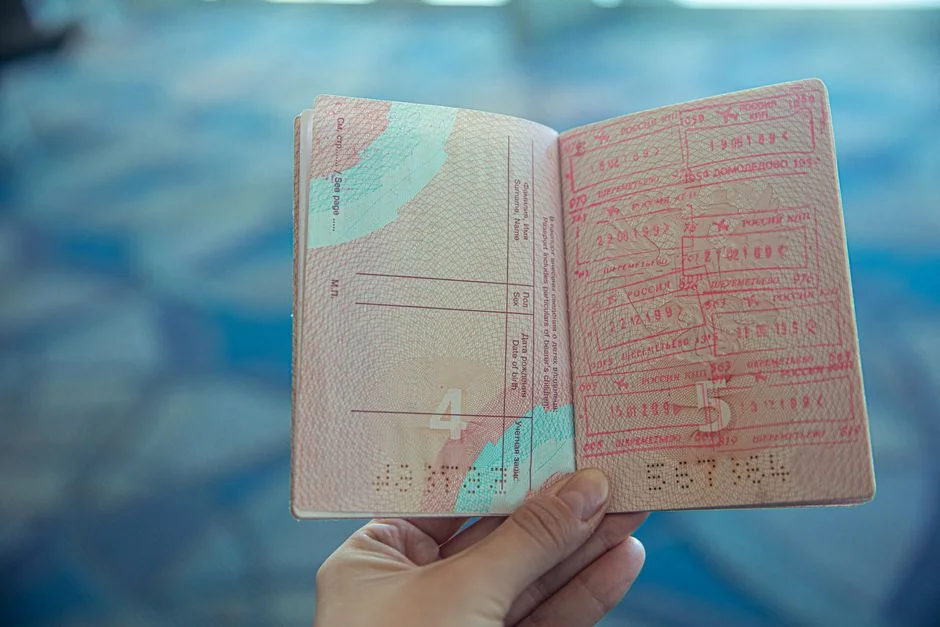
Use qiānzhèng签证 (visa)
Example answer
chūguó lǚxíng zhīqián yào xiān bànhǎo qiānzhèng
出国旅行之前要先办好签证。
You need to apply for a visa before traveling abroad.
Look at the picture and use the given word to write one sentence about it.
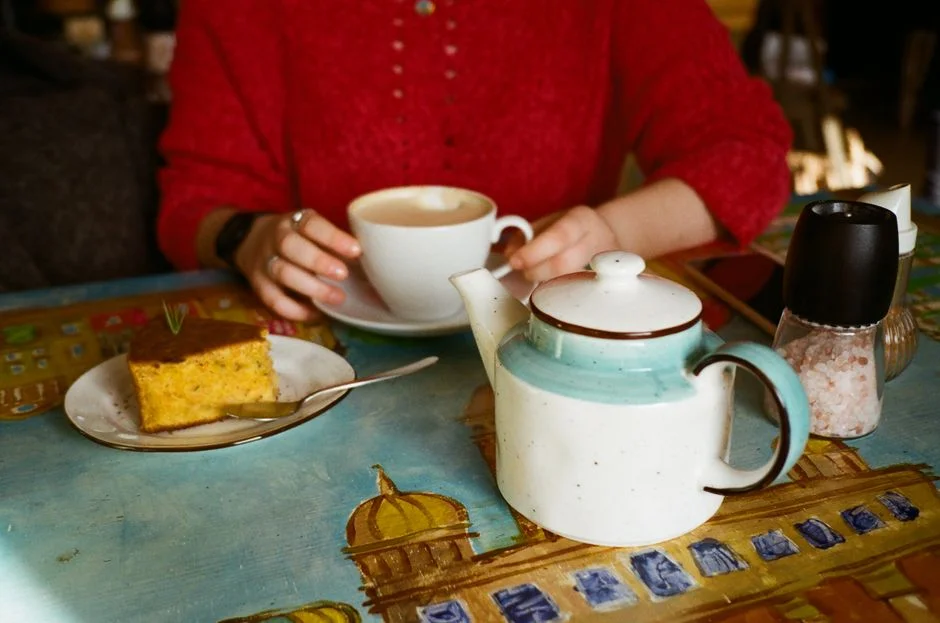
Use wèidào味道 (flavor)
Model answer
zhè jiā diàn de chá hé dàngāo wèidào dōu búcuò, wǒ jīngcháng lái
这家店的茶和蛋糕味道都不错,我经常来。
The tea and cake at this place both taste good, so I come here often.
Look at the picture and use the given word to write one sentence about it.

Use gèzhǒng各种 (every kind of)
Model answer
zhè jiā chāoshì yǒu gèzhǒng shuǐguǒ dōu hěn xīnxiān
这家超市有各种水果,都很新鲜。
This supermarket has all kinds of fruit, and it's all very fresh.
Look at the picture and use the given word to write one sentence about it.

Use huódòng活动 (activity; event)
Model answer
bìyè huódòng jiéshù yǐhòu, tóngxuémen yìqǐ zhào le yì zhāng zhàopiàn
毕业活动结束以后,同学们一起照了一张照片。
After the graduation event, the classmates took a photo together.
Look at the picture and use the given word to write one sentence about it.

Use máojīn毛巾 (towel)
Model answer
xǐwán liǎn tā yòng máojīn bǎ liǎn cā gānjìng
洗完脸,她用毛巾把脸擦干净。
After washing her face, she wiped her face clean with a towel.
Look at the picture and use the given word to write one sentence about it.

Use chénggōng成功 (success; to succeed)
Model answer
tāmen zhōngyú chénggōng nádào le dì yī míng, dàjiā dōu gāoxìng jí le
他们终于成功拿到了第一名,大家都高兴极了。
They finally succeeded in winning first place, and everyone is overjoyed.
写作。Write an essay on the topic.
请写一篇不少于80字的短文,介绍你最喜欢的一个地方。
Please write a short passage of no fewer than 80 characters introducing your favorite place.
Example answer
wǒ zuì xǐhuan de dìfang shì wǒjiā fùjìn de túshūguǎn nàlǐ fēicháng ānjìng yǒu gèzhǒnggèyàng de shū měigè zhōumò wǒ dōu huì qù nàlǐ kànshū yīdài jiùshì bàntiān túshūguǎn lǐ bùjǐn yǒu zhōngwénshū háiyǒu hěnduō wàiwénshū wǒ kěyǐ jiè huíjiā mànmàn kàn zuòzài chuāngbiān de zuòwei shàng kànshū gǎnjué hěn shūfu yángguāng zhàojìnlái nuǎnnuǎnde wǒ juéde túshūguǎn shì yígè kěyǐ ràng rén jìngxiàxīnlái de hǎo dìfang
我最喜欢的地方是我家附近的图书馆。那里非常安静,有各种各样的书。每个周末我都会去那里看书,一待就是半天。图书馆里不仅有中文书,还有很多外文书,我可以借回家慢慢看。坐在窗边的座位上看书感觉很舒服,阳光照进来暖暖的。我觉得图书馆是一个可以让人静下心来的好地方。
My favorite place is the library near my home. It's very quiet there and there are all kinds of books. I would go there every weekend to read and stay for half a day. There are not only Chinese books in the library, but also many foreign books. I can borrow them home and read them slowly. It feels very comfortable to sit by the window and read a book, with the sun shining in and making me feel warm. I think the library is a good place where people can calm down.
请写一篇不少于80字的短文,谈谈你对'节约'这个习惯的看法。
Please write a short passage of no fewer than 80 characters giving your view on the habit of "thrift".
Model answer
wǒ mā shì fēicháng jiéyuē de rén shèngcài rè le yòu rè yòngwán de sùliàodài yě dōu shōuzhe xiǎoshíhou wǒ juéde tā xiǎoqì xiànzài zìjǐ guòrìzi cái dǒng jiéyuē bú shì xiǎoqì shì àixī shuǐ suíshǒu guān dēng rén zǒu le jiù guān fàncài chī duōshao zuò duōshao zhèxiē xíguàn ràng wǒ shǎo le hěnduō làngfèi dāngrán jiéyuē bù děngyú shénme dōu suíbiàn gāi huā de qián bù shěng wǒ juéde niánqīngrén yě yīnggāi xuéhuì jiéyuē zhè bú zhǐshì wèile shěngqián yě shì duì biérén xīnkǔ láodòng de zūnzhòng
我妈是非常节约的人,剩菜热了又热,用完的塑料袋也都收着。小时候我觉得她小气,现在自己过日子才懂,节约不是小气,是爱惜。水随手关,灯人走了就关,饭菜吃多少做多少,这些习惯让我少了很多浪费。当然节约不等于什么都随便,该花的钱不省。我觉得年轻人也应该学会节约,这不只是为了省钱,也是对别人辛苦劳动的尊重。
My mother is extremely thrifty: leftovers reheated again and again, plastic bags saved after every use. As a child I thought her stingy; now that I run my own household I understand thrift isn't stinginess, it's cherishing things. Turning off taps without thinking, lights off when people leave, cooking only as much as we'll eat; these habits have spared a great deal of waste. Of course thrift doesn't mean making do everywhere; money that should be spent isn't skimped. I think young people should learn to be thrifty too: not just to save money, but also out of respect for other people's hard work.

5 questions · 20 minutes in the real exam
听后复述。Listen, then retell what you heard.
What you heard
Xiǎo Lǐ zuìjìn fùzé yí ge zhòngyào de rènwù, jīnglǐ yāoqiú tā xià xīngqīsān zhīqián wánchéng. Zhè jǐ tiān tā měitiān jiābān dào hěn wǎn, hái tuīdiào le gēn péngyou de jùhuì, xīwàng néng ànshí bǎ gōngzuò zuò wán.
小李最近负责一个重要的任务,经理要求他下星期三之前完成。这几天他每天加班到很晚,还推掉了跟朋友的聚会,希望能按时把工作做完。
Xiaoli has recently been in charge of an important task at work, and his manager asked him to finish it by next Wednesday. These past few days he has been working overtime late every night, and he even cancelled a get-together with friends, all so he could finish the work on time.
Example answer
Xiǎolǐ zài fùzé yí ge zhòngyào rènwù, jīnglǐ ràng tā xià xīngqīsān qián zuò wán. Zhè jǐ tiān tā yì zhí jiābān, hái tuīdiào le péngyou de jùhuì, xiǎng ànshí wánchéng gōngzuò.
小李在负责一个重要任务,经理让他下星期三前做完。这几天他一直加班,还推掉了朋友的聚会,想按时完成工作。
Xiaoli is in charge of an important task, and his manager told him to finish it by next Wednesday. These past few days he has been working overtime the whole time and even cancelled a get-together with friends, because he wants to finish the work on time.
What you heard
Zhōumò xiǎowáng hé māma yì qǐ qù càishìchǎng mǎicài. Shìchǎng lǐ rén hěnduō, fēicháng rènao, tāmen mǎi le xīnxiān de cài hé shuǐguǒ, hái shùnbiàn mǎi le yì xiē xiǎochī, lùshàng liáode hěn kāixīn.
周末小王和妈妈一起去菜市场买菜。市场里人很多,非常热闹,他们买了新鲜的菜和水果,还顺便买了一些小吃,路上聊得很开心。
On the weekend, Xiaowang went to the food market with his mother to buy groceries. The market was very crowded and lively; they bought fresh vegetables and fruit, and also picked up some snacks along the way, chatting happily the whole time.
Example answer
Zhōumò xiǎowáng péi māma qù càishìchǎng mǎicài, shìchǎng lǐ hěn rènao, tāmen mǎi le xīnxiān de cài, shuǐguǒ, hái mǎi le xiē xiǎochī, yí lùshàng liáotiān, hěn kāixīn.
周末小王陪妈妈去菜市场买菜,市场里很热闹,他们买了新鲜的菜、水果,还买了些小吃,一路上聊天,很开心。
On the weekend Xiaowang went with his mother to the food market to buy groceries. The market was lively, and they bought fresh vegetables, fruit, and some snacks, chatting the whole way and having a great time.
看图说话。Look at the picture and talk about it.
Qǐng gēnjù xiàmiàn de sān fú tú, jiǎngshù tú zhōng de gùshì.
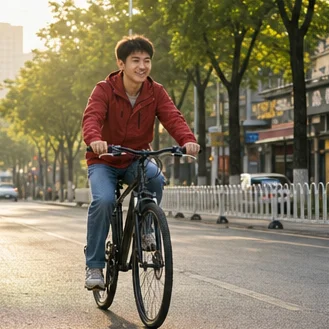
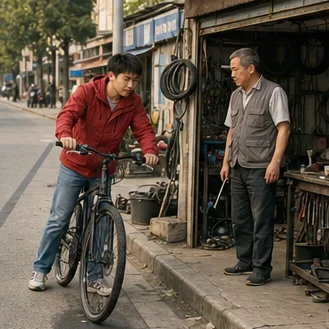
请根据下面的三幅图,讲述图中的故事。
Tell the story shown in the three pictures below.
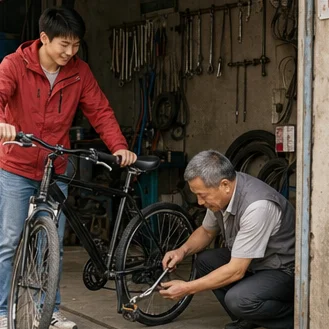
Example answer
Tā hěn gāoxìng de qí zìxíngchē qù shàngbān. Kěshì zài lùshang, chē tūrán huài le, tā zhǐhǎo tuī zhe chē qù fùjìn de xiūchē diàn. Xiūchē shīfu hěn kuài bāng tā bǎ chē xiū hǎo, yúshì tā yòu gāoxìng de qí chē zǒu le.
他很高兴地骑自行车去上班。可是在路上,车突然坏了,他只好推着车去附近的修车店。修车师傅很快帮他把车修好,于是他又高兴地骑车走了。
He happily rode his bike to work. But on the way the bike suddenly broke down, so he had to push it to a nearby bike repair shop. The repairman quickly fixed it for him, and he rode off happily again.
回答问题。Answer the question.
Nǐ gèng xǐhuan wǎngshàng gòuwù, háishì qù shāngdiàn mǎi dōngxi? Wèishénme?
你更喜欢网上购物,还是去商店买东西?为什么?
Do you prefer shopping online or going to stores? Why?
Example answer
Wǒ gèng xǐhuan wǎngshàng gòuwù, yīnwèi búyòng chūmén jiù néng mǎidào xūyào de dōngxi, érqiě jiàgé chángcháng bǐ shāngdiàn piányi, shénme shíhou dōu kěyǐ kàn, kěyǐ mǎi. Búguò rúguǒ shì mǎi yīfu, wǒ háishì xǐhuan qù shāngdiàn shìchuān, zhèyàng cái zhīdao chuānzhe shū bù shūfu.
我更喜欢网上购物,因为不用出门就能买到需要的东西,而且价格常常比商店便宜,什么时候都可以看、可以买。不过如果是买衣服,我还是喜欢去商店试穿,这样才知道穿着舒不舒服。
I prefer shopping online, because I can buy what I need without going out, and the prices are often cheaper than in stores, and I can browse and buy anytime. However, if I'm buying clothes, I still like trying them on in a store to see if they're comfortable to wear.
Nǐ juéde zhù zài dàchéngshì hǎo, háishì zhù zài xiǎo chéngshì hǎo?
你觉得住在大城市好,还是住在小城市好?
Do you think it's better to live in a big city or a small city?
Example answer
Wǒ juéde zhù zài dàchéngshì gènghǎo, yīnwèi gōngzuò jīhuì duō, jiāotōng hé shēnghuó yě bǐjiào fāngbiàn, zhōumò hái kěyǐ qù hěnduō bùtóng de dìfang wán. Suīrán dàchéngshì shēnghuó bǐjiàománg, yālì yě bǐjiào dà, dàn wǒ juéde zhèxiē jīhuì gèng zhòngyào.
我觉得住在大城市更好,因为工作机会多,交通和生活也比较方便,周末还可以去很多不同的地方玩。虽然大城市生活比较忙,压力也比较大,但我觉得这些机会更重要。
I think living in a big city is better, because there are more job opportunities, and transportation and daily life are more convenient; on weekends you can also go to many different places. Although life in a big city is fairly busy and the pressure is greater, I think those opportunities matter more.
Every answer on one page, for checking a sitting all at once.
Writing and speaking have no single right answer, so each question shows an example answer instead.

Take it in the HSK Dragon app and every section is graded, including speaking and writing, and you see your total against the pass mark. There are 10 mock exams for each level.