

ExampleHear a solved question
0:00
Transcript
在巴黎奥运会跳水女子十米跳台决赛中,中国选手全红婵再现“水花消失术”,并以优异的成绩获得了奥运冠军。“挑战全红婵十米台无水花跳水”也在社交平台形成话题,不少网友晒出了自己跳水的视频,并表示亲身体验后更能理解跳水运动员的不易。
汉语水平考试 HSK(六级)模拟考试
Mock exam
Want automatic grading or more mock exams? The app grades every section, including speaking and writing, and has 10 mock exams for each level.
Download the app
40 questions · 30 minutes in the real exam
听一段话,选择与内容一致的一项。Listen, then choose the statement that agrees with what you heard.
Transcript
在巴黎奥运会跳水女子十米跳台决赛中,中国选手全红婵再现“水花消失术”,并以优异的成绩获得了奥运冠军。“挑战全红婵十米台无水花跳水”也在社交平台形成话题,不少网友晒出了自己跳水的视频,并表示亲身体验后更能理解跳水运动员的不易。
Question
Gēnjù zhè duàn huà, xiàliè nǎ xiàng zhèngquè?
根据这段话,下列哪项正确?
According to this passage, which statement is correct?
Transcript
最近,某市不少小区安装了智能快递柜。居民网购之后,快递员把包裹放进柜子里,系统马上发出一条短信,凭密码随时可以取出,二十四小时之内不收费。调查显示,八成以上的居民认为这样取件更自由,不必在家等快递员;不过一些老人觉得操作太复杂,希望得到帮助。
Zuìjìn, mǒu shì bù shǎo xiǎoqū ānzhuāng le zhìnéng kuàidìguì. Jūmín wǎnggòu zhīhòu, kuàidìyuán bǎ bāoguǒ fàng jìn guìzi li, xìtǒng mǎshàng fāchū yì tiáo duǎnxìn, píng mìmǎ suíshí kěyǐ qǔchū, èrshísì xiǎoshí zhī nèi bù shōufèi. Diàochá xiǎnshì, bā chéng yǐshàng de jūmín rènwéi zhèyàng qǔ jiàn gèng zìyóu, búbì zài jiā děng kuàidìyuán; búguò yìxiē lǎorén juéde cāozuò tài fùzá, xīwàng dédào bāngzhù.
Recently, many neighborhoods in a certain city have installed smart parcel lockers. After residents shop online, the courier places the parcel into a locker, and the system immediately sends a text message; with the password you can take the parcel out at any time, free of charge within twenty-four hours. Surveys show that over eighty percent of residents think collecting parcels this way is freer, since they no longer have to wait at home for the courier; however, some elderly people find the operation too complicated and wish for help.
Question
Gēnjù zhè duàn huà, kěyǐ zhīdao xiàliè nǎ xiàng?
根据这段话,可以知道下列哪项?
According to this passage, which of the following can be known?
Transcript
某科技公司最近推出了一款专为老人设计的智能手环。它能记录使用者每天的步行数量和睡眠质量,还能在老人摔倒的时候,自动向家人发送位置信息。试用半年来,不少子女反馈,父母戴上之后,自己心里踏实多了。专家同时提醒,设备只能起到辅助作用,经常回家看望父母,才是老人最需要的陪伴。
Mǒu kējì gōngsī zuìjìn tuīchū le yì kuǎn zhuān wèi lǎorén shèjì de zhìnéng shǒuhuán. Tā néng jìlù shǐyòngzhě měi tiān de bùxíng shùliàng hé shuìmián zhìliàng, hái néng zài lǎorén shuāidǎo de shíhou, zìdòng xiàng jiārén fāsòng wèizhi xìnxī. Shìyòng bànnián lái, bù shǎo zǐnǚ fǎnkuì, fùmǔ dài shang zhīhòu, zìjǐ xīnli tàshi duō le. Zhuānjiā tóngshí tíxǐng, shèbèi zhǐ néng qǐdào fǔzhù zuòyòng, jīngcháng huí jiā kànwàng fùmǔ, cái shì lǎorén zuì xūyào de péibàn.
A certain technology company recently launched a smart wristband designed especially for the elderly. It can record the user's daily step count and sleep quality, and when an old person falls, it automatically sends their location to family members. In the six months of trial use, quite a few adult children gave feedback that after their parents put it on, they felt much more at ease. Experts also remind us that such a device can only play a supporting role; frequently coming home to visit one's parents is still the companionship they need most.
Question
Gēnjù zhè duàn huà, xiàliè nǎ xiàng zhèngquè?
根据这段话,下列哪项正确?
According to this passage, which statement is correct?
Transcript
近日,两辆无人驾驶的小型公交车在某大学校园里开始试运行。车厢里没有司机,车辆遇到行人时会自动减速停车,师生用手机扫码即可免费乘坐。项目负责人介绍说,试运行阶段,每辆车上都配有一名技术人员,以便突发情况出现时能够立即处理。
Jìnrì, liǎng liàng wúrén jiàshǐ de xiǎoxíng gōngjiāo chē zài mǒu dàxué xiàoyuán li kāishǐ shì yùnxíng. Chēxiāng li méiyǒu sījī, chēliàng yùdào xíngrén shí huì zìdòng jiǎnsù tíngchē, shīshēng yòng shǒujī sǎo mǎ jíkě miǎnfèi chéngzuò. Xiàngmù fùzérén jièshào shuō, shì yùnxíng jiēduàn, měi liàng chē shang dōu pèi yǒu yì míng jìshù rényuán, yǐbiàn tūfā qíngkuàng chūxiàn shí nénggòu lìjí chǔlǐ.
Recently two small driverless buses began trial operation on a university campus. There is no driver in the carriage; when the vehicle meets pedestrians it automatically slows down and stops, and students and teachers scan a code with their phones to ride for free. The person in charge of the project explained that during the trial stage each bus carries one technician, so that sudden situations can be dealt with immediately.
Question
Zhè duàn huà zhǔyào xiǎng gàosu wǒmen shénme?
这段话主要想告诉我们什么?
What does this passage mainly want to tell us?
Transcript
过去,电力工人检查山区的高压线路,需要翻过一座又一座山,走上好几天,不仅辛苦,而且危险。如今,这项工作大部分由无人机来完成:它沿着电线飞行、拍摄,再把画面实时传回指挥中心,半天就能完成任务。工作人员表示,新技术不但提高了效率,也明显降低了发生事故的可能。
Guòqù, diànlì gōngrén jiǎnchá shānqū de gāoyā xiànlù, xūyào fān guò yí zuò yòu yí zuò shān, zǒu shang hǎo jǐ tiān, bùjǐn xīnkǔ, érqiě wēixiǎn. Rújīn, zhè xiàng gōngzuò dà bùfen yóu wúrénjī lái wánchéng: tā yánzhe diànxiàn fēixíng, pāishè, zài bǎ huàmiàn shíshí chuán huí zhǐhuī zhōngxīn, bàn tiān jiù néng wánchéng rènwu. Gōngzuò rényuán biǎoshì, xīn jìshù búdàn tígāo le xiàolǜ, yě míngxiǎn jiàngdī le fāshēng shìgù de kěnéng.
In the past, electrical workers inspecting high-voltage lines in mountain areas had to climb one mountain after another and walk for days on end, exhausting and dangerous work. Nowadays most of this job is done by drones: they fly along the power lines taking photographs and transmit the images back to the command center in real time, finishing the task in half a day. Workers say the new technology has not only raised efficiency but also clearly reduced the possibility of accidents.
Question
Gēnjù zhè duàn huà, kěyǐ zhīdao xiàliè nǎ xiàng?
根据这段话,可以知道下列哪项?
According to this passage, which of the following can be known?
Transcript
某连锁超市最近开通了刷脸支付:结账时,顾客只要对着摄像设备看一下,几秒钟就能完成付款,不必再拿出手机或钱包。不过,也有一些消费者担心自己的面部信息会被过度收集。对此,商家回答说,顾客有权选择用二维码付款,个人的面部数据不会被保存,更不会被交给第三方。
Mǒu liánsuǒ chāoshì zuìjìn kāitōng le shuā liǎn zhīfù: jiézhàng shí, gùkè zhǐyào duìzhe shèxiàng shèbèi kàn yí xià, jǐ miǎo zhōng jiù néng wánchéng fùkuǎn, búbì zài ná chū shǒujī huò qiánbāo. Búguò, yě yǒu yìxiē xiāofèizhě dānxīn zìjǐ de miànbù xìnxī huì bèi guòdù shōují. Duì cǐ, shāngjiā huídá shuō, gùkè yǒu quán xuǎnzé yòng èrwéimǎ fùkuǎn, gèrén de miànbù shùjù bú huì bèi bǎocún, gèng bú huì bèi jiāo gěi dìsānfāng.
A chain of supermarkets recently introduced face-scanning payment: at checkout, customers simply look at a camera device for a few seconds and the payment is completed, without taking out a phone or wallet. Some consumers, however, worry that their facial information will be collected excessively. In response, the retailer says customers are entitled to choose QR-code payment instead, and personal facial data will neither be stored nor handed over to third parties.
Question
Gēnjù zhè duàn huà, xiàliè nǎ xiàng zhèngquè?
根据这段话,下列哪项正确?
According to this passage, which statement is correct?
Transcript
一项针对两千个家庭的最新调查显示,超过一半的家庭已经在使用语音助手,让它播放音乐、报告天气或者控制家中的灯光。使用频率最高的是年轻父母,孩子们也很喜欢跟它聊天。研究人员同时指出,这类设备虽然方便,用户也应当注意保护个人隐私,敏感的信息尽量少告诉它。
Yí xiàng zhēnduì liǎng qiān ge jiātíng de zuìxīn diàochá xiǎnshì, chāoguò yí bàn de jiātíng yǐjīng zài shǐyòng yǔyīn zhùshǒu, ràng tā bōfàng yīnyuè, bàogào tiānqì huòzhě kòngzhì jiā zhōng de dēngguāng. Shǐyòng pínlǜ zuì gāo de shì niánqīng fùmǔ, háizi men yě hěn xǐhuan gēn tā liáotiān. Yánjiū rényuán tóngshí zhǐchū, zhè lèi shèbèi suīrán fāngbiàn, yònghù yě yīngdāng zhùyì bǎohù gèrén yǐnsī, mǐngǎn de xìnxī jìnliàng shǎo gàosu tā.
The latest survey of two thousand families shows that more than half already use voice assistants, having them play music, report the weather, or control the lights at home. Usage is highest among young parents, and children also enjoy chatting with it. Researchers point out at the same time that although such devices are convenient, users ought to protect their personal privacy and tell the device as little sensitive information as possible.
Question
Gēnjù zhè duàn huà, kěyǐ zhīdao xiàliè nǎ xiàng?
根据这段话,可以知道下列哪项?
According to this passage, which of the following can be known?
Transcript
如今在许多商场和餐厅,顾客扫描二维码就能租到一台共享充电宝,用完之后在任何一台机器上归还即可,费用按小时计算。这项服务解决了手机突然没电带来的麻烦,尤其受到年轻人的欢迎。不过也有用户投诉说,个别地方归还困难,容易产生多余的费用。相关企业回应,将增加更多网点并改进管理。
Rújīn zài xǔduō shāngchǎng hé cāntīng, gùkè sǎomiáo èrwéimǎ jiù néng zū dào yì tái gòngxiǎng chōngdiànbǎo, yòng wán zhīhòu zài rènhé yì tái jīqì shang guīhuán jíkě, fèiyòng àn xiǎoshí jìsuàn. Zhè xiàng fúwù jiějué le shǒujī tūrán méi diàn dàilái de máfan, yóuqí shòudào niánqīngrén de huānyíng. Búguò yě yǒu yònghù tóusù shuō, gèbié dìfang guīhuán kùnnan, róngyì chǎnshēng duōyú de fèiyòng. Xiāngguān qǐyè huíyìng, jiāng zēngjiā gèng duō wǎngdiǎn bìng gǎijìn guǎnlǐ.
Nowadays in many shopping malls and restaurants customers scan a QR code to rent a shared power bank, and after using it simply return it at any machine, with the fee calculated by the hour. This service solves the trouble of a phone suddenly running out of power, and is especially popular among young people. Some users complain, however, that returning one is difficult in certain places, which easily produces unnecessary charges. The companies concerned respond that they will add more branches and improve management.
Question
Gēnjù zhè duàn huà, xiàliè nǎ xiàng zhèngquè?
根据这段话,下列哪项正确?
According to this passage, which statement is correct?
Transcript
某市把三个老城区的普通水表换成了智能水表。新水表每十五分钟自动读一次数,数据直接传到管理系统,查表员不必再一家一家上门;住户家中如果漏水,系统会马上向手机发送提醒。换表半年来,已帮助二十多户人家及时发现管道漏水,避免了更大损失。交费方式不变,不会用手机的老人仍然可以到营业网点交费。
Mǒu shì bǎ sān ge lǎo chéngqū de pǔtōng shuǐbiǎo huàn chéng le zhìnéng shuǐbiǎo. Xīn shuǐbiǎo měi shíwǔ fēnzhōng zìdòng dú yí cì shù, shùjù zhíjiē chuán dào guǎnlǐ xìtǒng, chábiǎoyuán búbì zài yì jiā yì jiā shàngmén; zhùhù jiā zhōng rúguǒ lòushuǐ, xìtǒng huì mǎshàng xiàng shǒujī fāsòng tíxǐng. Huàn biǎo bànnián lái, yǐ bāngzhù èrshí duō hù rénjiā jíshí fāxiàn guǎndào lòushuǐ, bìmiǎn le gèng dà sǔnshī. Jiāofèi fāngshì bú biàn, bú huì yòng shǒujī de lǎorén réngrán kěyǐ dào yíngyè wǎngdiǎn jiāo fèi.
A certain city replaced the ordinary water meters in three old districts with smart meters. The new meters read themselves automatically every fifteen minutes and send the data straight to the management system, so meter readers no longer have to call door to door; if water is leaking in a household, the system immediately sends an alert to the phone. In the half year since the swap, leaks in the pipes of more than twenty households have been found in time, avoiding greater loss. The payment method is unchanged: elderly people who cannot use smartphones can still pay at service branches.
听一段话,选择正确答案。Listen to the passage and answer the questions.
Question
关于微专业的课程设置,可以知道什么?
Transcript
微专业,指的是高校在学生的主修专业目录之外,围绕某个特定学术领域、研究方向或职业素养开设的一组课程。微专业的关键课程一般包括五至十门,主要安排在周末或工作日晚上。近年来,不少高校都开设了微专业,这些课程受到许多学生和上班族的欢迎。
Question
Gēnjù bàodào, wúrén sòng huòchē chūxiàn yìcháng shí zěnme bàn?
根据报道,无人送货车出现异常时怎么办?
According to the report, what happens when a driverless delivery van malfunctions?
Question
Qǐyè kāizhǎn wúrén sòng huòchē shì yùnxíng de zhǔyào mùdì shì shénme?
企业开展无人送货车试运行的主要目的是什么?
What is the company's main purpose in trialling driverless delivery vans?
Question
Guānyú wúrén sòng huòchē, xiàliè nǎ xiàng zhèngquè?
关于无人送货车,下列哪项正确?
About the driverless delivery vans, which statement is correct?
Question
Gēnjù shàngwén, xiàliè nǎ xiàng méiyǒu bèi tídào?
根据上文,下列哪项没有被提到?
According to the passage, which item is NOT mentioned?
Transcript
近年来,网络购物发展迅速,送货环节的人力成本却越来越高。为了解决这个问题,上个月,某市批准一家企业在三条固定路线上开展无人驾驶送货车的试运行。这种车的车顶装有多个摄像镜头,能够识别红绿灯,遇到行人会自动减速,车速被限制在每小时二十公里以内。运行期间,企业为每辆车安排了一名远程安全员:一旦系统发现异常,安全员可以立即接管车辆,保证路上行人和车辆的安全。首批投入使用的十辆送货车主要服务于两个大型社区,居民在楼下扫描二维码,就能打开车厢取出自己的包裹。企业负责人表示,开展无人配送并不是为了取代快递员,而是把他们从重复的搬运工作中解放出来,去做更需要与人交流的工作。有关部门也强调,试运行收集到的数据,将为今后制定行业规则提供重要依据。
Jìnnián lái, wǎngluò gòuwù fāzhǎn xùnsù, sònghuò huánjié de rénlì chéngběn què yuèláiyuè gāo. Wèile jiějué zhège wèntí, shàng ge yuè, mǒu shì pīzhǔn yì jiā qǐyè zài sān tiáo gùdìng lùxiàn shang kāizhǎn wúrén jiàshǐ sòng huòchē de shì yùnxíng. Zhè zhǒng chē de chēdǐng zhuāng yǒu duō ge shèxiàng jìngtóu, nénggòu shíbié hónglǜdēng, yùdào xíngrén huì zìdòng jiǎnsù, chēsù bèi xiànzhì zài měi xiǎoshí èrshí gōnglǐ yǐnèi. Yùnxíng qījiān, qǐyè wèi měi liàng chē ānpái le yì míng yuǎnchéng ānquányuán: yídàn xìtǒng fāxiàn yìcháng, ānquányuán kěyǐ lìjí jiēguǎn chēliàng, bǎozhèng lù shang xíngrén hé chēliàng de ānquán. Shǒupī tóurù shǐyòng de shí liàng sòng huòchē zhǔyào fúwù yú liǎng ge dàxíng shèqū, jūmín zài lóuxià sǎomiáo èrwéimǎ, jiù néng dǎkāi chēxiāng qǔ chū zìjǐ de bāoguǒ. Qǐyè fùzérén biǎoshì, kāizhǎn wúrén pèisòng bìng bú shì wèile qǔdài kuàidìyuán, érshì bǎ tāmen cóng chóngfù de bānyùn gōngzuò zhōng jiěfàng chūlái, qù zuò gèng xūyào yǔ rén jiāoliú de gōngzuò. Yǒuguān bùmén yě qiángdiào, shì yùnxíng shōují dào de shùjù, jiāng wèi jīnhòu zhìdìng hángyè guīzé tígōng zhòngyào yījù.
In recent years online shopping has developed rapidly, yet the labour cost of the delivery stage keeps rising. To solve this problem, last month a certain city approved a company to begin trial operation of driverless delivery vans on three fixed routes. The roof of each van carries several camera lenses; it can recognize traffic lights, slows down automatically when meeting pedestrians, and its speed is limited to twenty kilometres per hour. During operation the company assigns one remote safety officer to every vehicle: once the system detects anything abnormal, the officer can take over the van immediately, keeping pedestrians and other vehicles safe. The first ten delivery vans put into service mainly cover two large neighborhoods; residents scan a QR code downstairs and can open the carriage and take out their parcels. The head of the company said the aim of driverless delivery is not to replace couriers but to free them from repetitive carrying work so they can do jobs that require more human contact. The department concerned also stressed that the data collected during the trial will provide an important basis for drawing up industry rules in the future.
Question
Biǎoyǎn kāishǐ zhīqián, jìshù tuánduì zuì zhòngyào de zhǔnbèi gōngzuò shì shénme?
表演开始之前,技术团队最重要的准备工作是什么?
Before a show begins, what is the technical team's most important preparation?
Question
Wúrénjī biǎoyǎn zuì róngyì shòudào nǎ ge yīnsù de yǐngxiǎng?
无人机表演最容易受到哪个因素的影响?
Which factor most easily affects a drone show?
Question
Yènèi rénshì duì wèilái chí shénme tài dù?
业内人士对未来持什么态度?
What attitude do industry insiders hold toward the future?
Question
Gēnjù shàngwén, xiàliè nǎ xiàng zhèngquè?
根据上文,下列哪项正确?
According to the passage, which statement is correct?
Transcript
每到节假日,不少城市都会举办大型无人机表演:上千架小飞机同时升空,在夜空中变换出各种各样的图案,吸引大量市民前来观看。与传统的烟花相比,无人机表演非常安静,也不会产生烟雾,对环境更加友好;而且图案可以通过程序提前设计,随时更换,表现力更强。一家表演公司的技术负责人介绍,一场成功的表演,离不开事先精确的设计:每一架飞机的位置、速度和灯光颜色都被写入程序,飞行时由地面的电脑统一控制,位置误差只有几厘米。当然,这类表演对天气的要求也很高,一旦遇到大风或者下雨,活动往往只能取消。业内人士预计,随着成本的不断下降,以后会有更多的中小城市在自己的夜空中看到这样精彩的表演。
Měi dào jiéjiàrì, bù shǎo chéngshì dōu huì jǔbàn dàxíng wúrénjī biǎoyǎn: shàng qiān jià xiǎo fēijī tóngshí shēngkōng, zài yèkōng zhōng biànhuàn chū gè zhǒng gèyàng de tú'àn, xīyǐn dàliàng shìmín qiánlái guānkàn. Yǔ chuántǒng de yānhuā xiāngbǐ, wúrénjī biǎoyǎn fēicháng ānjìng, yě bú huì chǎnshēng yānwù, duì huánjìng gèngjiā yǒuhǎo; érqiě tú'àn kěyǐ tōngguò chéngxù tíqián shèjì, suíshí gēnghuàn, biǎoxiànlì gèng qiáng. Yì jiā biǎoyǎn gōngsī de jìshù fùzérén jièshào, yì chǎng chénggōng de biǎoyǎn, líbukāi shìxiān jīngquè de shèjì: měi yí jià fēijī de wèizhi, sùdù hé dēngguāng yánsè dōu bèi xiě rù chéngxù, fēixíng shí yóu dìmiàn de diànnǎo tǒngyī kòngzhì, wèizhi wùchā zhǐ yǒu jǐ límǐ. Dāngrán, zhè lèi biǎoyǎn duì tiānqì de yāoqiú yě hěn gāo, yídàn yùdào dà fēng huòzhě xiàyǔ, huódòng wǎngwǎng zhǐ néng qǔxiāo. Yènèi rénshì yùjì, suízhe chéngběn de búduàn xiàjiàng, yǐhòu huì yǒu gèng duō de zhōng xiǎo chéngshì zài zìjǐ de yèkōng zhōng kàndào zhèyàng jīngcǎi de biǎoyǎn.
On public holidays many cities stage large-scale drone shows: more than a thousand small aircraft rise into the sky together, forming all kinds of patterns in the night sky and drawing large crowds of residents. Compared with traditional fireworks, drone shows are very quiet and produce no smoke and are friendlier to the environment; moreover the patterns can be designed in advance through a program and changed at any time, making them far more expressive. The technical director of a performance company explained that a successful show depends on precise advance design: the position, speed and light color of every aircraft are written into the program, and during flight they are controlled uniformly by ground computers, with positional error of only a few centimetres. Of course such shows demand a great deal from the weather: when strong wind or rain arrives, the event usually has to be cancelled. People in the industry predict that as costs keep falling, more small and medium-sized cities will see such wonderful performances in their night skies.
Question
Shèqū shǒujī kè de kèchéng nèiróng bù bāokuò xiàliè nǎ xiàng?
社区手机课的课程内容不包括下列哪项?
Which of the following is NOT part of the community smartphone class?
Question
Zhìyuànzhě rènwéi jiāo lǎorén guòchéng zhōng zuì dà de kùnnan shì shénme?
志愿者认为教老人过程中最大的困难是什么?
What do volunteers see as the biggest difficulty in teaching the elderly?
Question
Xiàliè nǎ xiàng shì kèchéng wèi bāngzhù lǎorén xuéhǎo shǒujī kè cǎiqǔ de zuòfǎ?
下列哪项是课程为帮助老人学好手机课采取的做法?
Which of the following is a measure the course takes to help seniors learn well?
Question
Zhè piān bàodào zhǔyào shuōmíng le shénme?
这篇报道主要说明了什么?
What does this report mainly illustrate?
Transcript
随着移动支付的普及,很多老年人发现,出门买菜、看病挂号、乘坐公交车,都离不开智能手机,这让他们感到非常不便。为此,某市的多家社区开设了免费的手机课,由大学生志愿者当老师,从开机、连接网络教起,一直到扫码付款、视频通话,内容十分实用。每期课程一共八讲,每周上两次,时间都安排在下午,方便老人出门。志愿者刘婷说,教老人最大的困难不是他们学得慢,而是很多人不敢按、怕把手机弄坏,所以课程特意放慢了进度,每个步骤都反复练习,学员还可以领到一本印着大字的操作手册。三个月下来,两百多位老人完成了全部课程,其中七成以上已经能够独立扫码购物。社区负责人表示,技术进步不应该丢下任何一位老人,帮助他们跟上时代,是全社会共同的责任。除了手机课,社区还计划开设网上挂号和打车软件的专题讲座。
Suízhe yídòng zhīfù de pǔjí, hěn duō lǎoniánrén fāxiàn, chūmén mǎi cài, kànbìng guàhào, chéngzuò gōngjiāo chē, dōu líbukāi zhìnéng shǒujī, zhè ràng tāmen gǎndào fēicháng búbiàn. Wèi cǐ, mǒu shì de duō jiā shèqū kāishè le miǎnfèi de shǒujī kè, yóu dàxuésheng zhìyuànzhě dāng lǎoshī, cóng kāijī, liánjiē wǎngluò jiāo qǐ, yìzhí dào sǎo mǎ fùkuǎn, shìpín tōnghuà, nèiróng shífēn shíyòng. Měi qī kèchéng yígòng bā jiǎng, měi zhōu shàng liǎng cì, shíjiān dōu ānpái zài xiàwǔ, fāngbiàn lǎorén chūmén. Zhìyuànzhě Liú Tíng shuō, jiāo lǎorén zuì dà de kùnnan bú shì tāmen xué de màn, érshì hěn duō rén bù gǎn àn, pà bǎ shǒujī nòng huài, suǒyǐ kèchéng tèyì fàng màn le jìndù, měi ge bùzhòu dōu fǎnfù liànxí, xuéyuán hái kěyǐ lǐng dào yì běn yìn zhe dà zì de cāozuò shǒucè. Sān ge yuè xiàlái, liǎng bǎi duō wèi lǎorén wánchéng le quánbù kèchéng, qízhōng qī chéng yǐshàng yǐjīng nénggòu dúlì sǎo mǎ gòuwù. Shèqū fùzérén biǎoshì, jìshù jìnbù bù yīnggāi diūxià rènhé yí wèi lǎorén, bāngzhù tāmen gēnshang shídài, shì quán shèhuì gòngtóng de zérèn. Chúle shǒujī kè, shèqū hái jìhuà kāishè wǎngshang guàhào hé dǎchē ruǎnjiàn de zhuāntí jiǎngzuò.
With the spread of mobile payment many elderly people have found that grocery shopping, hospital registration and bus rides all depend on smartphones, which leaves them greatly inconvenienced. To help, several communities in a certain city opened free smartphone classes taught by student volunteers, starting from switching on the device and connecting to the network, all the way to QR-code payment and video calls, thoroughly practical content. Each course runs eight sessions, twice a week, scheduled in the afternoon so it is easy for seniors to come out. Volunteer Liu Ting said the biggest difficulty in teaching the elderly is not that they learn slowly but that many dare not press anything, afraid of breaking the phone; so the course deliberately slows the pace, practices every step repeatedly, and learners receive a manual printed in large characters. Three months on, more than two hundred elderly people completed the whole course, over seventy percent of whom can already shop by scanning a code independently. The community director said technological progress must not leave a single old person behind; helping them keep up with the times is the shared responsibility of the whole society. Besides phone classes, the communities also plan special lectures on online hospital registration and ride-hailing apps.
Question
Yǔ chuántǒng cāngkù xiāngbǐ, zìdònghuà cāngkù fāshēng de biànhuà bù bāokuò xiàliè nǎ xiàng?
与传统仓库相比,自动化仓库发生的变化不包括下列哪项?
Compared with a traditional warehouse, which change is NOT part of the automated warehouse?
Question
Zhè tào xìtǒng mùqián méiyǒu dà guīmó tuīguǎng de zhǔyào yuányīn shì shénme?
这套系统目前没有大规模推广的主要原因是什么?
Why has the system not been rolled out on a large scale so far?
Question
Zhuānjiā rúhé kàndài zìdònghuà duì jiùyè de yǐngxiǎng?
专家如何看待自动化对就业的影响?
How do experts view automation's impact on employment?
Question
Gēnjù shàngwén, xiàliè nǎ xiàng méiyǒu bèi tídào?
根据上文,下列哪项没有被提到?
According to the passage, which item is NOT mentioned?
Transcript
走进某电商企业的自动化仓库,人们几乎看不到工人的身影:装满商品的货架自己在轨道上移动,机器手臂把商品放进纸箱,打包、贴单、分类整理全部由设备完成,只有少数工程师坐在电脑前,看着屏幕上的数据。负责人算了一笔账:传统仓库处理一万件商品,大约需要三十个人工;而在这里,五六名技术人员就足够了,出错率也从千分之五降到了万分之一以下。不过,高效率的背后是巨大的投入,这套系统的建设成本超过一亿元,后期的维护费用同样昂贵,因此目前只在订单量特别大的仓库中使用。专家认为,自动化并不等于让工人失业,新的岗位正在不断出现,比如设备维修员、数据整理员、流程设计师——这些都是五年前还不存在的职业。
Zǒu jìn mǒu diànshāng qǐyè de zìdònghuà cāngkù, rénmen jǐhū kàn bú dào gōngrén de shēnyǐng: zhuāngmǎn shāngpǐn de huòjià zìjǐ zài guǐdào shang yídòng, jīqì shǒubì bǎ shāngpǐn fàng jìn zhǐxiāng, dǎbāo, tiē dān, fēnlèi zhěnglǐ quánbù yóu shèbèi wánchéng, zhǐyǒu shǎoshù gōngchéngshī zuò zài diànnǎo qián, kànzhe píngmù shang de shùjù. Fùzérén suàn le yì bǐ zhàng: chuántǒng cāngkù chǔlǐ yí wàn jiàn shāngpǐn, dàyuē xūyào sānshí ge réngōng; ér zài zhè lǐ, wǔ liù míng jìshù rényuán jiù zúgòu le, chūcuòlǜ yě cóng qiān fēn zhī wǔ jiàng dào le wàn fēn zhī yī yǐxià. Búguò, gāo xiàolǜ de bèihòu shì jùdà de tóurù, zhè tào xìtǒng de jiànshè chéngběn chāoguò yí yì yuán, hòuqī de wéihù fèiyòng tóngyàng ángguì, yīncǐ mùqián zhǐ zài dìngdān liàng tèbié dà de cāngkù zhōng shǐyòng. Zhuānjiā rènwéi, zìdònghuà bìng bù děngyú ràng gōngrén shīyè, xīn de gǎngwèi zhèngzài búduàn chūxiàn, bǐrú shèbèi wéixiū yuán, shùjù zhěnglǐ yuán, liúchéng shèjìshī — zhèxiē dōu shì wǔ nián qián hái bù cúnzài de zhíyè.
Stepping into the automated warehouse of an e-commerce company, one sees hardly any workers: shelves loaded with goods glide along tracks on their own, robot arms place products into cardboard boxes, and packing, labelling and sorting are all done by machines; only a handful of engineers sit before computers watching the data on their screens. The manager did the math: a traditional warehouse needs about thirty workers to process ten thousand items, whereas here five or six technicians are enough, and the error rate has fallen from five in a thousand to below one in ten thousand. Behind the high efficiency, however, lies enormous investment: the system costs more than a hundred million yuan to build, and maintenance is equally expensive, so it is currently used only in warehouses with very high order volumes. Experts believe automation does not equal putting workers out of work: new positions keep appearing, such as equipment maintainer, data organizer and process designer: occupations that did not exist five years ago.
Question
Zuìjìn sān nián, shuìmián shèbèi shìchǎng fāshēng le shénme biànhuà?
最近三年,睡眠设备市场发生了什么变化?
What change has happened in the sleep-device market in the past three years?
Question
Yīshēng duì zhè lèi shuìmián shèbèi de tài dù shì shénme?
医生对这类睡眠设备的态度是什么?
What is doctors' attitude toward these sleep devices?
Question
Xīnlǐxué yánjiūzhě fāxiàn le shénme xīn xiànxiàng?
心理学研究者发现了什么新现象?
What new phenomenon have psychology researchers discovered?
Question
Zhè piān bàodào zuì zhǔyào de mùdì gèng jiējìn yú nǎ yí xiàng?
这篇报道最主要的目的更接近于哪一项?
Which comes closest to the main purpose of this report?
Transcript
戴上手表睡觉,早上醒来先查看昨夜深睡的时间有多长,已经成为不少年轻人的新习惯。电商平台的数据显示,最近三年,各类睡眠设备的销量增长了三倍,价格从几百元到几千元不等。这类设备通过测量心跳、身体活动等指标来估算用户的睡眠质量,并给出相应的改善建议。一些产品还能把睡眠数据分享给家人,让远在外地的子女了解父母的休息情况。医生提醒,普通消费级设备的参考价值有限,数据存在明显的误差,长期失眠的人应当到医院检查治疗,而不是完全相信手环给出的分数。心理学研究者还发现了一个新现象:一些人过分关注睡眠数据,反而产生了新的焦虑,越测越睡不着。专家建议,按时睡觉起床、睡前少看手机,比任何设备都更有效。
Dài shang shǒubiǎo shuìjiào, zǎoshang xǐnglái xiān chákàn zuó yè shēn shuì de shíjiān yǒu duō cháng, yǐjīng chéngwéi bù shǎo niánqīngrén de xīn xíguàn. Diànshāng píngtái de shùjù xiǎnshì, zuìjìn sān nián, gè lèi shuìmián shèbèi de xiāoliàng zēngzhǎng le sān bèi, jiàgé cóng jǐ bǎi yuán dào jǐ qiān yuán bù děng. Zhè lèi shèbèi tōngguò cèliáng xīntiào, shēntǐ huódòng děng zhǐbiāo lái gūsuàn yònghù de shuìmián zhìliàng, bìng gěi chū xiāngyìng de gǎishàn jiànyì. Yìxiē chǎnpǐn hái néng bǎ shuìmián shùjù fēnxiǎng gěi jiārén, ràng yuǎn zài wàidì de zǐnǚ liǎojiě fùmǔ de xiūxi qíngkuàng. Yīshēng tíxǐng, pǔtōng xiāofèi jí shèbèi de cānkǎo jiàzhí yǒuxiàn, shùjù cúnzài míngxiǎn de wùchā, chángqī shīmián de rén yīngdāng dào yīyuàn jiǎnchá zhìliáo, ér bú shì wánquán xiāngxìn shǒuhuán gěi chū de fēnshù. Xīnlǐxué yánjiūzhě hái fāxiàn le yí ge xīn xiànxiàng: yìxiē rén guòfèn guānzhù shuìmián shùjù, fǎn'ér chǎnshēng le xīn de jiāolǜ, yuè cè yuè shuì bu zháo. Zhuānjiā jiànyì, ànshí shuìjiào qǐchuáng, shuì qián shǎo kàn shǒujī, bǐ rènhé shèbèi dōu gèng yǒuxiào.
Going to sleep wearing a watch and checking upon waking how long last night's deep sleep lasted has become a new habit for quite a few young people. E-commerce platform figures show that sales of all kinds of sleep devices have tripled in the past three years, priced anywhere from a few hundred to several thousand yuan. Such devices estimate a user's sleep quality by measuring heartbeat, bodily movement and other indicators, and offer corresponding improvement suggestions. Some products can also share sleep data with family members, letting adult children far away know how their parents are resting. Doctors warn that ordinary consumer-grade devices have limited reference value and their data carry obvious errors; people who suffer long-term insomnia should go to hospital for examination and treatment instead of entirely trusting the score the band gives them. Psychology researchers have also noticed a new phenomenon: some people pay excessive attention to sleep data and develop fresh anxiety as a result: the more they measure, the less they can fall asleep. Experts advise that going to bed and getting up on schedule and looking at your phone less before sleep work better than any device.
听对话,选择正确答案。Listen to the dialogue and answer the questions.
Question
创作团队前期做了什么准备工作?
Transcript
从散文到电视剧,《我的阿勒泰》的改编并非易事,是什么吸引你启动该项目的?
作品背后的吸引力是“人”。
这部电视剧创作前期做了哪些工作?
导演和编剧延展阅读了大量有关新疆和哈萨克族的书籍,两次前往当地考察,感受当地风土人情。
Question
Zhè tào jiāotōng xìtǒng shì gēnjù shénme lái tiáozhěng hónglǜdēng de?
这套交通系统是根据什么来调整红绿灯的?
What does the system base its traffic-light adjustments on?
Question
Duìyú huǒchēzhàn pángbiān nà tiáo lù, tuánduì cǎiqǔ le shénme tèbié zuòfǎ?
对于火车站旁边那条路,团队采取了什么特别做法?
What special approach did the team take for the road by the railway station?
Question
Shìmín duì zhè tào xìtǒng de tài dù fāshēng le shénme biànhuà?
市民对这套系统的态度发生了什么变化?
How has the public's attitude toward the system changed?
Question
Gēnjù cǎifǎng nèiróng, xiàliè nǎ xiàng zhèngquè?
根据采访内容,下列哪项正确?
According to the interview, which statement is correct?
Transcript
赵磊工程师,听说你们团队用大数据来调整全市的红绿灯,这套系统到底是怎么工作的?
Zhào Lěi gōngchéngshī, tīngshuō nǐmen tuánduì yòng dà shùjù lái tiáozhěng quán shì de hónglǜdēng, zhè tào xìtǒng dàodǐ shì zěnme gōngzuò de?
Engineer Zhao Lei, we hear your team uses big data to adjust the whole city's traffic lights. How exactly does this system work?
简单地说,城市的主干道就像人的血管,我们的系统负责让它保持畅通。路口的摄像设备和安装在路面上的检测装置,每分钟都在向数据中心发送车流信息;系统根据这些数据,计算出下一个时段每个方向需要多长的绿灯时间,然后自动调整信号灯。过去红灯的长短是固定不变的,现在它每一分钟都在变化。我们在二十个路口试了一年,司机平均等待的时间下降了百分之十五左右。
Jiǎndān de shuō, chéngshì de zhǔgāndào jiù xiàng rén de xuèguǎn, wǒmen de xìtǒng fùzé ràng tā bǎochí chàngtōng. Lùkǒu de shèxiàng shèbèi hé ānzhuāng zài lùmiàn shang de jiǎncè zhuāngzhì, měi fēn zhōng dōu zài xiàng shùjù zhòngxīn fāsòng chēliú xìnxī; xìtǒng gēnjù zhèxiē shùjù, jìsuàn chū xià yí ge shíduàn měi ge fāngxiàng xūyào duō cháng de lǜdēng shíjiān, ránhòu zìdòng tiáozhěng xìnhàodēng. Guòqù hóngdēng de chángduǎn shì gùdìng bú biàn de, xiànzài tā měi yì fēn zhōng dōu zài biànhuà. Wǒmen zài èrshí ge lùkǒu shì le yì nián, sījī píngjūn děngdài de shíjiān xiàjiàng le bǎi fēn zhī shíwǔ zuǒyòu.
Simply put, a city's main roads are like blood vessels, and our system keeps them flowing smoothly. Cameras at intersections and detectors installed under the road surface send traffic-flow information to the data center every minute; based on this data the system calculates how long each direction's green light should be in the coming interval, then adjusts the signals automatically. In the past the length of a red light never changed; now it changes every minute. We trialled it at twenty intersections for a year, and drivers' average waiting time fell by about fifteen percent.
效果听起来很明显。能不能举一个具体的例子,说说哪条路改善得最多?
Xiàoguǒ tīng qǐlái hěn míngxiǎn. Néng bù néng jǔ yí ge jùtǐ de lìzi, shuō shuo nǎ tiáo lù gǎishàn de zuì duō?
The results sound obvious. Could you give a concrete example of which road improved the most?
最典型的是火车站旁边那条路。早上进城的车特别多,晚上出城的车特别多,而以前信号灯一天只按同一套时间表工作,结果两个高峰都堵得厉害。我们为系统设计了早晚分开的模式:早上一边绿灯长,晚上另一边绿灯长,再把附近几个路口的信号连接起来,让车流一路碰到的都是绿灯。现在,这条路的排队长度缩短了将近一半。
Zuì diǎnxíng de shì huǒchēzhàn pángbiān nà tiáo lù. Zǎoshang jìn chéng de chē tèbié duō, wǎnshang chū chéng de chē tèbié duō, ér yǐqián xìnhàodēng yì tiān zhǐ àn tóng yí tào shíjiān biǎo gōngzuò, jiéguǒ liǎng ge gāofēng dōu dǔ de lìhai. Wǒmen wèi xìtǒng shèjì le zǎowǎn fēnkāi de móshì: zǎoshang yì biān lǜdēng cháng, wǎnshang lìng yì biān lǜdēng cháng, zài bǎ fùjìn jǐ ge lùkǒu de xìnhào liánjiē qǐlái, ràng chēliú yí lù pèngdào de dōu shì lǜdēng. Xiànzài, zhè tiáo lù de páiduì chángdù suōduǎn le jiāngjìn yí bàn.
The most typical case is the road beside the railway station. Inbound traffic is heavy in the morning and outbound heavy in the evening, yet the signals used to follow a single timetable all day, so both peaks jammed badly. We designed a morning-evening split mode for the system: mornings one direction gets a long green, evenings the other does, and the signals of nearby intersections are linked so traffic meets green lights all the way. Now queues on that road have shrunk by nearly half.
有些司机一开始可能不相信电脑调出来的灯,你们是怎么获得大家信任的?
Yǒuxiē sījī yì kāishǐ kěnéng bù xiāngxìn diànnǎo tiáo chūlái de dēng, nǐmen shì zěnme huòdé dàjiā xìnrèn de?
Some drivers may not have trusted computer-adjusted lights at first. How did you gain everyone's trust?
这个问题问得非常好。刚开始确实有人在网上留言批评。我们做了两件事:一是把调整前后的数据全部公开,欢迎任何人查询;二是在地图软件里显示信号灯的变化,司机一看,等待时间真的变短了。三个月以后,批评的声音几乎消失了。现在我们每天都能收到市民的建议,其中不少已经被采纳。
Zhège wèntí wèn de fēicháng hǎo. Gāng kāishǐ quèshí yǒu rén zài wǎngshang liúyán pīpíng. Wǒmen zuò le liǎng jiàn shì: yī shì bǎ tiáozhěng qián hòu de shùjù quánbù gōngkāi, huānyíng rènhé rén cháxún; èr shì zài dìtú ruǎnjiàn li xiǎnshì xìnhàodēng de biànhuà, sījī yí kàn, děngdài shíjiān zhēn de biàn duǎn le. Sān ge yuè yǐhòu, pīpíng de shēngyīn jǐhū xiāoshī le. Xiànzài wǒmen měi tiān dōu néng shōudào shìmín de jiànyì, qízhōng bù shǎo yǐjīng bèi cǎinà.
That's an excellent question. At the start some people did leave critical comments online. We did two things: first, we made all the before-and-after data public, open to anyone who wants to check; second, map apps began showing the signal changes, and once drivers saw waiting times really getting shorter, the criticism had almost vanished three months on. Now we receive citizens' suggestions every day, and quite a few have been adopted.
最后,您能透露一下团队下一步的计划吗?
Zuìhòu, nín néng tòulù yíxià tuánduì xià yí bù de jìhuà ma?
Finally, can you reveal the team's plan for the next step?
我们正在把这套系统推广到另外两个城区,同时也在尝试用类似的方法,为公交车和救护车留出专用车道。希望有一天,“堵车”在这座城市会成为一个历史名词。
Wǒmen zhèngzài bǎ zhè tào xìtǒng tuīguǎng dào lìngwài liǎng ge chéngqū, tóngshí yě zài chángshì yòng lèisì de fāngfǎ, wèi gōngjiāo chē hé jiùhùchē liú chū zhuānyòng chēdào. Xīwàng yǒu yì tiān, 'dǔchē' zài zhè zuò chéngshì huì chéngwéi yí ge lìshǐ míngcí.
We are extending the system to two more districts and trying similar methods to set aside dedicated lanes for buses and ambulances. We hope that one day 'traffic jam' will become a historical term in this city.
Question
Gǎizào xiàngmù zhōng shǔyú 'ānquán' zhè yí lèi de cuòshī shì shénme?
改造项目中属于“安全”这一类的措施是什么?
Which measure in the project falls under the 'safety' category?
Question
Guānyú gǎizào de fèiyòng, xiàliè nǎ xiàng zhèngquè?
关于改造的费用,下列哪项正确?
About renovation costs, which statement is correct?
Question
Duìyú 'jīqì bù néng dàitì rén zhàogù lǎorén' de guāndiǎn, Lín jīnglǐ de tài dù shì shénme?
对于“机器不能代替人照顾老人”的观点,林经理的态度是什么?
What is Manager Lin's attitude toward the view that machines cannot replace human care?
Question
Gēnjù cǎifǎng, xiàliè nǎ xiàng méiyǒu bèi tídào?
根据采访,下列哪项没有被提到?
According to the interview, which item is NOT mentioned?
Transcript
林经理,您负责的居家适老化智能改造项目,具体会给老人的家带来哪些变化?
Lín jīnglǐ, nín fùzé de jūjiā shì lǎohuà zhìnéng gǎizào xiàngmù, jùtǐ huì gěi lǎorén de jiā dàilái nǎxiē biànhuà?
Manager Lin, what concrete changes will your age-friendly smart home renovation project bring to seniors' homes?
我们主要做三件事。首先是安全:厨房安装燃气报警器,发现漏气会自动切断燃气供应;卫生间的地面换成防滑材料,墙上加装扶手。其次是方便:电灯可以用说话的方式打开和关上,老人不用来回走动。最后是求救:卧室和卫生间装上紧急呼叫器,老人一按,社区服务站和他子女的手机就会同时收到危险通知。去年我们改造了一百户人家,今年这个数字翻了一番。另外,我们还会给每一位老人配一张紧急联系卡,放在家中显眼的位置。
Wǒmen zhǔyào zuò sān jiàn shì. Shǒuxiān shì ānquán: chúfáng ānzhuāng ránqì bàojǐngqì, fāxiàn lòuqì huì zìdòng qiēduàn ránqì gōngyìng; wèishēngjiān de dìmiàn huàn chéng fánghuá cáiliào, qiáng shang jiāzhuāng fúshou. Qícì shì fāngbiàn: diàndēng kěyǐ yòng shuōhuà de fāngshì dǎkāi hé guānshang, lǎorén bú yòng láihuí zǒudòng. Zuìhòu shì qiújiù: wòshì hé wèishēngjiān zhuāng shang jǐnjí hūjiàoqì, lǎorén yí àn, shèqū fúwùzhàn hé tā zǐnǚ de shǒujī jiù huì tóngshí shōudào wēixiǎn tōngzhī. Qùnián wǒmen gǎizào le yìbǎi hù rénjia, jīnnián zhège shùzì fān le yì fān. Lìngwài, wǒmen hái huì gěi měi yí wèi lǎorén pèi yì zhāng jǐnjí liánxì kǎ, fàng zài jiāzhōng xiǎnyǎn de wèizhi.
We mainly do three things. First, safety: gas alarms in the kitchen cut the gas supply automatically when a leak is detected; bathroom floors are replaced with anti-slip material and handrails added to the walls. Second, convenience: the lights answer voice commands, switching on and off, so seniors need not walk back and forth. Third, calling for help: emergency buttons in the bedroom and bathroom: one press sends a danger alert simultaneously to the community service station and the children's phones. Last year we renovated one hundred homes; this year the figure has doubled. In addition, every senior receives an emergency contact card, placed in the most visible spot at home.
改造一套房子大概要花多少钱?这笔钱都由老人自己承担吗?
Gǎizào yí tào fángzi dàgài yào huā duōshao qián? Zhè bǐ qián dōu yóu lǎorén zìjǐ chéngdān ma?
About how much does renovating one apartment cost? Do the elderly bear the cost themselves?
基础套餐大约八千元,包括刚才说的那些安全设备;如果想要更多功能,比如能打电话的床头屏幕,费用还会增加。好消息是,政府现在有补贴,符合条件的家庭最高可以少付一半的费用。我们的原则是自己愿意少赚一点,也要让退休金不高的老人用得起。目前,全市已经有六个区把这类改造列进了为老服务的项目清单。
Jīchǔ tàocān dàyuē bā qiān yuán, bāokuò gāngcái shuō de nàxiē ānquán shèbèi; rúguǒ xiǎng yào gèng duō gōngnéng, bǐrú néng dǎ diànhuà de chuángtóu píngmù, fèiyòng hái huì zēngjiā. Hǎo xiāoxi shì, zhèngfǔ xiànzài yǒu bǔtiē, fúhé tiáojiàn de jiātíng zuìgāo kěyǐ shǎo fù yí bàn de fèiyòng. Wǒmen de yuánzé shì zìjǐ yuànyì shǎo zhuàn yìdiǎn, yě yào ràng tuìxiūjīn bù gāo de lǎorén yòng de qǐ. Mùqián, quán shì yǐjīng yǒu liù ge qū bǎ zhè lèi gǎizào liè jìn le wèi lǎo fúwù de xiàngmù qīngdān.
The basic package costs about eight thousand yuan and covers the safety devices just mentioned; extra functions such as a bedside screen that makes calls cost more. The good news is the government now offers subsidies: qualifying families pay up to half less. Our principle is to accept earning less ourselves rather than price out seniors on modest pensions. So far six districts citywide have put such renovations on their elderly-service project lists.
有人觉得,机器再聪明也不能代替人去照顾老人,您怎么看这种观点?
Yǒu rén juéde, jīqì zài cōngming yě bù néng dàitì rén qù zhàogù lǎorén, nín zěnme kàn zhè zhǒng guāndiǎn?
Some people feel that no matter how clever machines get, they cannot replace human care for the elderly. What's your view?
我完全同意前半句。设备代替不了子女的探望,也代替不了邻居之间的关心,它做的只是争取时间——老人摔倒之后几分钟内就有人知道,这几分钟也许就是生和死的差别。所以我们总是跟客户说,智能设备是帮手,不是亲人。另外在隐私方面我们也特别注意,老人可以选择不在卧室安装任何摄像设备。
Wǒ wánquán tóngyì qián bàn jù. Shèbèi dàitì bù liǎo zǐnǚ de tànwàng, yě dàitì bù liǎo línjū zhījiān de guānxīn, tā zuò de zhǐ shì zhēngqǔ shíjiān — lǎorén shuāidǎo zhīhòu jǐ fēn zhōng nèi jiù yǒu rén zhīdao, zhè jǐ fēn zhōng yěxǔ jiù shì shēng hé sǐ de chābié. Suǒyǐ wǒmen zǒng shì gēn kèhù shuō, zhìnéng shèbèi shì bāngshǒu, bú shì qīnrén. Lìngwài zài yǐnsī fāngmiàn wǒmen yě tèbié zhùyì, lǎorén kěyǐ xuǎnzé bú zài wòshì ānzhuāng rènhé shèxiàng shèbèi.
I fully agree with the first half. Devices cannot replace children's visits or neighbors' care; what they do is buy time: within minutes of a fall someone knows, and those minutes can be the difference between life and death. So we always tell clients: smart devices are helpers, not family. We're also especially careful about privacy: residents can choose not to install any camera in the bedroom.
最后,对那些还在犹豫要不要改造的老人,您想说点什么?
Zuìhòu, duì nàxiē hái zài yóuyù yào bú yào gǎizào de lǎorén, nín xiǎng shuō diǎn shénme?
Lastly, what would you say to seniors still hesitating about renovation?
我想说,改造不是为了图新鲜,而是为了让日子过得更踏实。大家可以先从最需要的一项做起,比如先装一个紧急呼叫器,觉得好用,再一步一步增加其他设备。
Wǒ xiǎng shuō, gǎizào bú shì wèile tú xīnxiān, ér shì wèile ràng rìzi guò de gèng tāshi. Dàjiā kěyǐ xiān cóng zuì xūyào de yí xiàng zuò qǐ, bǐrú xiān zhuāng yí ge jǐnjí hūjiàoqì, juéde hǎoyòng, zài yí bù yí bù zēngjiā qítā shèbèi.
I'd say renovation is not about seeking novelty but about making daily life more secure. Start with whatever you need most (an emergency button, for instance) and once you find it useful, add other devices step by step.
Question
Gōngsī juédìng yòng wúrénjī gěi shāncūn sònghuò de zhíjiē yuányīn shì shénme?
公司决定用无人机给山村送货的直接原因是什么?
What was the direct reason for using drones to serve mountain villages?
Question
Wèile bǎozhèng fēixíng ānquán, tuánduì guīdìng le nǎxiē cuòshī?
为了保证飞行安全,团队规定了哪些措施?
What safety rules did the team set?
Question
Yáng jīnglǐ duì jiàngdī fēixíng chéngběn de qiánjǐng zěnme kàn?
杨经理对降低飞行成本的前景怎么看?
How does Manager Yang view the prospect of cutting flight costs?
Question
Gēnjù cǎifǎng nèiróng, xiàliè nǎ xiàng zhèngquè?
根据采访内容,下列哪项正确?
According to the interview, which statement is correct?
Transcript
杨经理,用无人机给山村送包裹,你们当初是怎么想到做这个项目的?
Yáng jīnglǐ, yòng wúrénjī gěi shāncūn sòng bāoguǒ, nǐmen dāngchū shì zěnme xiǎngdào zuò zhège xiàngmù de?
Manager Yang, delivering parcels to mountain villages by drone: how did you come up with this project?
我们公司在山区做过调查:有一个乡离县城只有四十公里,可是山路要绕三个小时,快递往往一个星期才送一次,药品、证件这些急用的东西根本等不起。我们就想,山里两点的直线距离其实很近,为什么不从天上走呢?前年十月,第一条航线正式开通,二十五分钟就能从县城飞到那个乡。
Wǒmen gōngsī zài shānqū zuò guò diàochá: yǒu yí ge xiāng lí xiànchéng zhǐ yǒu sìshí gōnglǐ, kěshì shānlù yào rào sān ge xiǎoshí, kuàidì wǎngwǎng yí ge xīngqī cái sòng yí cì, yàopǐn, zhèngjiàn zhèxiē jí yòng de dōngxi gēnběn děng bu qǐ. Wǒmen jiù xiǎng, shān li liǎng diǎn de zhíxiàn jùlí qíshí hěn jìn, wèishénme bù cóng tiānshang zǒu ne? Qián nián shí yuè, dì yì tiáo hángxiàn zhèngshì kāitōng, èrshíwǔ fēn zhōng jiù néng cóng xiànchéng fēi dào nàge xiāng.
Our company surveyed mountain areas: one township lies only forty kilometres from the county seat, yet the winding mountain road takes three hours, and parcels often arrive just once a week; urgent items like medicine and documents simply cannot wait that long. We thought: as the crow flies the distance is short, so why not travel through the sky? In October two years ago the first route officially opened; twenty-five minutes gets you from the county seat to that township.
把包裹交给一台无人机器运送,村民放心吗?飞行安全又是怎么保证的?
Bǎ bāoguǒ jiāo gěi yì tái wúrén jīqì yùnsòng, cūnmín fàngxīn ma? Fēixíng ānquán yòu shì zěnme bǎozhèng de?
Handing parcels to unmanned machines: were villagers reassured? And how is flight safety guaranteed?
刚开始,大家好奇多于信任,常常站在下面看热闹。为了让乡亲们安心,我们定了三条规矩:首先,每架飞机都沿着固定的航线飞行,高度比山头还高出几十米,绝不经过学校和居民区;其次,包裹挂上小型的降落伞,万一出现意外,也能慢慢落下来;另外,天气不好坚决停飞,风速一超过标准,当天的任务全部取消。现在村民凭密码在投放点取件。
Gāng kāishǐ, dàjiā hàoqí duō yú xìnrèn, chángcháng zhàn zài xiàmian kàn rènao. Wèile ràng xiāngqīn men ānxīn, wǒmen dìng le sān tiáo guīju: shǒuxiān, měi jià fēijī dōu yánzhe gùdìng de hángxiàn fēixíng, gāodù bǐ shāntóu hái gāo chū jǐ shí mǐ, juébù jīngguò xuéxiào hé jūmínqū; qícì, bāoguǒ guà shang xiǎoxíng de jiàngluòsǎn, wànyì chūxiàn yìwài, yě néng mànmàn luò xiàlái; lìngwài, tiānqì bù hǎo jiānjué tíngfēi, fēngsù yì chāoguò biāozhǔn, dàngtiān de rènwu quánbù qǔxiāo. Xiànzài cūnmín píng mìmǎ zài tóufàng diǎn qǔ jiàn.
At first curiosity outweighed trust; people gathered below to watch the spectacle. To reassure them we set three rules: every plane flies a fixed route tens of meters above the peaks, never passing over schools or residential areas; parcels carry small parachutes so even in an accident they drift down slowly; and in bad weather we firmly ground the fleet: wind above the limit cancels the day's missions. Villagers now collect parcels with a password at the drop points.
下一步有什么计划?飞行成本比较高的问题怎么解决?
Xià yí bù yǒu shénme jìhuà? Fēixíng chéngběn bǐjiào gāo de wèntí zěnme jiějué?
What's next? And how will you solve the problem of high flight costs?
我们准备再开通五条航线,把附近的乡镇都连接起来。另外也在尝试运送新鲜水果:山里的果子早上摘下来,中午就能摆上县城的市场,农民的收入明显增加了。说实话,每一次飞行的成本现在还是比较高,主要靠政府和企业的合作支撑。但我相信,飞的次数多了,成本自然会降下来,这是一笔值得好好算的账。等到条件成熟了,我们还希望把这项服务推广到更远的村子。
Wǒmen zhǔnbèi zài kāitōng wǔ tiáo hángxiàn, bǎ fùjìn de xiāngzhèn dōu liánjiē qǐlái. Lìngwài yě zài chángshì yùnsòng xīnxiān shuǐguǒ: shān li de guǒzi zǎoshang zhāi xiàlái, zhōngwǔ jiù néng bǎi shàng xiànchéng de shìchǎng, nóngmín de shōurù míngxiǎn zēngjiā le. Shuō shíhuà, měi yí cì fēixíng de chéngběn xiànzài hái shì bǐjiào gāo, zhǔyào kào zhèngfǔ hé qǐyè de hézuò zhīchēng. Dàn wǒ xiāngxìn, fēi de cìshù duō le, chéngběn zìrán huì jiàng xiàlái, zhè shì yì bǐ zhídé hǎohǎo suàn de zhàng. Děng dào tiáojiàn chéngshú le, wǒmen hái xīwàng bǎ zhè xiàng fúwù tuīguǎng dào gèng yuǎn de cūnzi.
We plan to open five more routes linking the nearby townships. We're also trying fresh fruit transport: fruit picked in the morning can be on county-market stalls by noon, and farmers' incomes have clearly risen. Honestly, each flight still costs quite a lot, supported mainly by government-business cooperation. But I believe as flight numbers grow the cost will naturally fall, an equation worth working out. Once conditions mature, we hope to extend the service to even more distant villages.
采访的最后,您还有什么想对山里的乡亲们说的吗?
Cǎifǎng de zuìhòu, nín hái yǒu shénme xiǎng duì shān li de xiāngqīn men shuō de ma?
At the end of this interview, is there anything you would like to say to the villagers?
谢谢他们的信任。没有乡亲们的理解和支持,我们的飞机根本飞不起来。我们会继续努力,让山里山外的联系越来越紧密,也请大家继续给我们提意见。
Xièxie tāmen de xìnrèn. Méiyǒu xiāngqīn men de lǐjiě hé zhīchí, wǒmen de fēijī gēnběn fēi bu qǐlái. Wǒmen huì jìxù nǔlì, ràng shān li shān wài de liánxì yuèláiyuè jǐnmì, yě qǐng dàjiā jìxù gěi wǒmen tí yìjiàn.
Thanks for their trust. Without the villagers' understanding and support our planes could never take off. We will keep working so that connections across the mountains grow ever closer, and please keep sending us suggestions.

40 questions · 40 minutes in the real exam
选择合适的词语填空。Choose the word that fills the blank.
很多人觉得,学外语最重要的是背单词,其实不然。语言是用来交流的,1敢开口说,进步往往最快。我认识的一位朋友单词量并不大,却因为常和外国朋友聊天,口语比很多同学都好。
Many people think memorising vocabulary is the most important part of learning a foreign language; in fact it is not. Language exists for communication, and (1) you dare to speak up, progress is usually fastest. A friend of mine does not know that many words, yet because he often chats with foreign friends his spoken language is better than most students'.
如今在中国的大部分城市,很多人出门已经不带现金了。买东西的时候,用手机扫一下商家贴出的二维码,钱就自动付过去了,连街边卖水果的小店也挂着收款码。移动支付之所以普及得这么快,是1它实在太方便:不用找零,不怕假币,每一笔账单都记得2。不过,技术只是工具,真正决定成败的是千千万万的普通人。当然,便利也带来了新的问题:一些老人不会操作智能手机,被挡在了便利之外,心里难免感到3。因此,不少公共场所开始保留现金通道,银行也派出了4进社区,手把手地教老人使用手机。有人说,社会的发展既要有速度,也要有5——明白了这一点,技术才能真正为所有人服务。
Nowadays, in most Chinese cities many people no longer carry cash when they go out. When buying something, you scan the QR code posted by the shop with your phone and the money is paid automatically; even the little shops on the street that sell fruit display payment codes. The reason mobile payment has spread so quickly is simply (1) it is truly convenient: no change to count, no fear of counterfeit notes, and every bill is recorded (2). Technology, however, is only a tool; what really decides success or failure are ordinary people in their millions. Of course convenience has brought new problems as well: some elderly people cannot operate a smartphone and are shut out of that convenience, and they cannot help feeling (3). That is why many public places have kept cash channels, and banks send (4) into neighborhoods to teach older people how to use phones, hand in hand. As some say, social development needs both speed and (5); once this is understood, technology can truly serve everyone.
王雪在北京工作,父母住在四川的一个小县城。以前每次打电话,母亲总是问她吃了没有、天冷不冷,说不了几句就1了。自从学会了视频通话,一切都不一样了。周末的晚上,母女俩一边聊天,一边做饭,父亲还在旁边不停地插话,家里的2热闹得像在同一间厨房里。王雪发现,屏幕不仅传来了声音,还传来了表情:母亲头上的白发看得清清楚楚,父亲的笑容也比电话里的真实得多。她3给父母买了一块大屏幕的平板电脑,把图标调到最大,又教了一遍又一遍。现在,二老每天晚饭后都会4打过来,看看女儿,用得也越来越5。有人说,科技让人与人之间的关系变得冷淡,王雪却觉得,工具本身没有温度,可只要用得好,它总能把家人的心拉得更近。
Wang Xue works in Beijing while her parents live in a small county town in Sichuan. On phone calls her mother used to ask whether she had eaten or whether it was cold, and after only a few sentences the call would (1). Since learning how to make video calls, everything has changed. On weekend evenings mother and daughter chat while they cook, with father chiming in from the side, and the (2) at home becomes as lively as if everyone were in the same kitchen. Wang Xue noticed that the screen carries expressions as well as voices: the white hairs on her mother's head are clearly visible, and her father's smile looks far more real than it did over the phone. She (3) bought her parents a large-screen tablet, set the icons to maximum size, and taught them how to use it again and again. Now the two elders (4) call every evening after dinner to see their daughter, and they handle the device more and more (5). Some say technology makes relations between people cold, but Wang Xue feels that a tool has no warmth of its own; used well, it can draw the hearts of a family closer together.
选择合适的句子填空。Choose the sentence that fills each gap.

夏天一到,海滩上总是挤满了度假的人。人们在享受阳光和海水的同时,也把大量垃圾留在了沙滩上,其中最多的就是塑料瓶。这些塑料瓶需要几百年才能完全分解,1。如今,不少海滨城市已经禁止游客把塑料瓶装饮料带进海滩,改用可回收的纸杯。
When summer arrives the beach is always packed with holidaymakers. While enjoying the sun and the sea people leave large amounts of rubbish on the sand, most of it plastic bottles. These bottles take centuries to decompose completely, (1). Nowadays many seaside cities forbid visitors from bringing bottled drinks onto the beach, replacing them with recyclable paper cups.
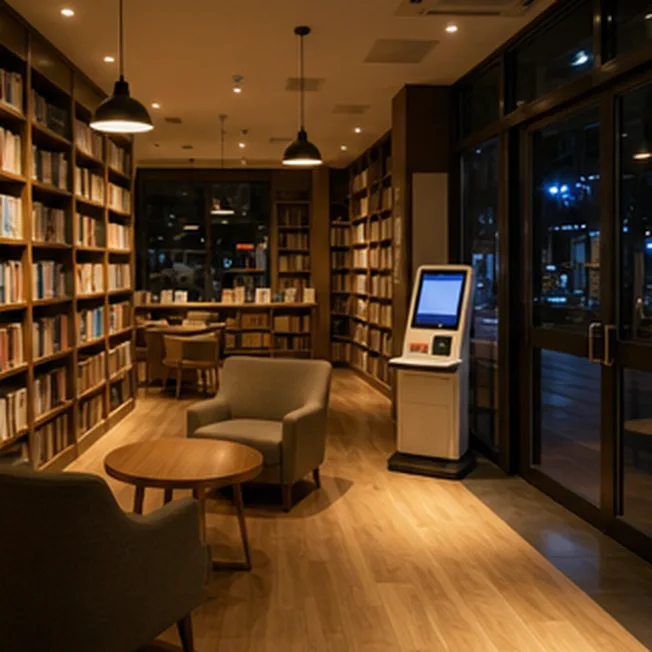
Shēnyè shí yī diǎn, shìzhòngxīn de jiēdào jiànjiàn ānjìng xiàlái, wèiyú lùkǒu de yì jiā wúrén shūdiàn yīrán liàng zhe dēng. Tuī mén jìnqù, méiyǒu yíngkè de diànyuán, yě méiyǒu shōuyíntái, zhǐyǒu yì pái pái shūjià ānjìng de lì zài nuǎnsè de dēngguāng li, kōngqì zhōng piāo zhe dàndàn de kāfēi xiāng, shūjià zhījiān hái fàng zhe jǐ zhāng shūfu de yǐzi, fāngbiàn dúzhě mànmàn tiāoxuǎn. Dúzhě sǎomiáo ménkǒu de èrwéimǎ,(1)。Diàn li méiyǒu diànyuán, zhǐyǒu jiǎoluò li de yì tái zìzhù jiésuànjī: xuǎn hǎo shū fàng dào gǎnyìngqū, píngmù jiù huì xiǎnshì jīn'é,(2),jǐ miǎo zhōng hòu dàmén zìdòng dǎkāi. Chángkè Xiǎo Zhāng shuō, tā xǐhuan zhè lǐ de lǐyóu hěn jiǎndān —— méiyǒu rén dǎrǎo,(3)。Jù jièshào, zhè jiā shūdiàn kāiyè liǎng nián lái, yèjiān shíduàn de xiāoshòué yǐjīng zhàn dào quán tiān de yí bàn zuǒyòu. Zhōumò de shēnyè, chángcháng hái yǒu jǐ shí wèi dúzhě zài diàn lǐ kàn shū, qízhōng bùshǎo shì gāng xià wǎnbān huòzhě gāng shàng wán zìxí de niánqīngrén. Wèile fángzhǐ túshū bèi tōu, shūdiàn ānzhuāng le shèxiàng shèbèi hé chūkǒu gǎnyìng zhuāngzhì,(4)。Yǒu dúzhě dānxīn, wúrén móshì huì ràng shūdiàn shīqù wēndù, diànzhǔ què bù zhème kàn: 'shū hé rén ānjìng de xiāngchǔ, běnshēn yě shì yì zhǒng wēndù.'. Rújīn, yuèláiyuè duō de chéngshì chūxiàn le lèisì de wúrén diànpù,(5),gèng zhòngyào de shì, tāmen chóngxīn dìngyì le shénme jiào 'fāngbiàn'。
深夜十一点,市中心的街道渐渐安静下来,位于路口的一家无人书店依然亮着灯。推门进去,没有迎客的店员,也没有收银台,只有一排排书架安静地立在暖色的灯光里,空气中飘着淡淡的咖啡香,书架之间还放着几张舒服的椅子,方便读者慢慢挑选。读者扫描门口的二维码,1。店里没有店员,只有角落里的一台自助结算机:选好书放到感应区,屏幕就会显示金额,2,几秒钟后大门自动打开。常客小张说,他喜欢这里的理由很简单——没有人打扰,3。据介绍,这家书店开业两年来,夜间时段的销售额已经占到全天的一半左右。周末的深夜,常常还有几十位读者在店里看书,其中不少是刚下晚班或者刚上完自习的年轻人。为了防止图书被偷,书店安装了摄像设备和出口感应装置,4。有读者担心,无人模式会让书店失去温度,店主却不这么看:“书和人安静地相处,本身也是一种温度。”如今,越来越多的城市出现了类似的无人店铺,5,更重要的是,它们重新定义了什么叫“方便”。
At eleven at night, as downtown streets gradually quiet down, an unmanned bookstore at the corner is still lit. Push the door open and there is no welcoming clerk and no checkout counter, only rows of bookshelves standing quietly in warm light, with a faint smell of coffee in the air and a few comfortable chairs between the shelves for readers browsing at leisure. Readers scan the QR code at the door, (1). The store has no staff, only a self-service checkout machine in the corner: put your chosen book on the sensor pad and the screen shows the amount, (2), and seconds later the door opens automatically. Regular customer Xiaozhang says his reason for liking the place is simple: no one disturbs you, (3). Reportedly, in its two years of business the store's night hours have come to account for roughly half of its all-day sales. On weekend nights dozens of readers are often in the store, many of them young people just off evening shifts or out of evening study sessions. To guard against books being stolen, the store has installed cameras and exit sensors, (4). Some readers worry that unmanned mode strips a bookstore of warmth, but the owner disagrees: 'When books and people keep each other company quietly, that itself is a kind of warmth.' Nowadays more and more cities are seeing similar unmanned shops, (5); more importantly, they redefine what 'convenience' means.
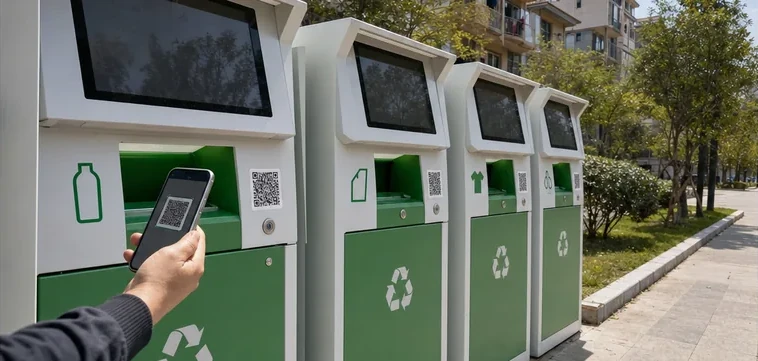
Zuìjìn, mǒu shì duō ge xiǎoqū de ménkǒu chūxiàn le yì tái xīn jīqì: lǜsè de xiāngzi shang yǒu yí kuài píngmù, hái yǒu yí ge néng zìdòng chēng zhòng de tóufàngkǒu. Jīqì pángbiān lì zhe yí kuài páizi, shàngmiàn xiě zhe cāozuò bùzhòu: sǎo mǎ kāimén, fēnlèi tóufàng, guānbì xiāngmén, zhěngge guòchéng yòng bu liǎo yì fēn zhōng. Jūmín bǎ búyào de zhǐ, sùliào píngzi tóu jìnqù, jīqì zìdòng chēng zhòng, jìsuàn jīn'é,(1)。Zhè bǐ qián suīrán bù duō, què ràng dàjiā chǔlǐ búyòng de dōngxi de jījíxìng tígāo le bù shǎo. Yí wèi āyí shuō, tā xiànzài měi tiān sànbù dōu huì shùnbiàn dài shang jiā li de zhǐxiāngzi, yì lái duànliàn shēntǐ, èr lái hái néng huàn diǎnr línghuāqián. Yǐwǎng, kě huíshōu de lājī chángcháng hé qítā lājī hùn zài yìqǐ, yùn dào tiánmáichǎng báibái shāo diào;(2)。Shùjù xiǎnshì, shìdiǎn xiǎoqū de lājī zǒngliàng jiǎnshǎo le sān chéng yǐshàng. Yùnyíng qǐyè de fùzérén Zhōu Tāo jièshào, huíshōuwù měi tiān yóu zhuānchē yùn wǎng fēnlèi zhòngxīn,(3),bōli hé jīnshǔ zé sòng wǎng xiāngyìng de gōngchǎng chóngxīn lìyòng. Jù liǎojiě, zhèyàng de zhìnéng huíshōujī yǐjīng zài quán shì sānbǎi duō ge xiǎoqū tóurù shǐyòng. Wèile zhàogù bú huì yòng shǒujī de lǎorén, jīqì bǎoliú le shuākǎ gōngnéng,(4),yě kěyǐ bōdǎ píngmù shang de fúwù diànhuà qiúzhù. Huánbǎo zhuānjiā zhǐchū, zhìnéng huíshōu de yìyì bù zhǐ zài yú nà yìdiǎndiǎn jiǎnglì,(5),ràng lǜsè shēnghuó zhújiàn chéngwéi yì zhǒng rìcháng xíguàn.
最近,某市多个小区的门口出现了一台新机器:绿色的箱子上有一块屏幕,还有一个能自动称重的投放口。机器旁边立着一块牌子,上面写着操作步骤:扫码开门、分类投放、关闭箱门,整个过程用不了一分钟。居民把不要的纸、塑料瓶子投进去,机器自动称重、计算金额,1。这笔钱虽然不多,却让大家处理不用的东西的积极性提高了不少。一位阿姨说,她现在每天散步都会顺便带上家里的纸箱子,一来锻炼身体,二来还能换点儿零花钱。以往,可回收的垃圾常常和其他垃圾混在一起,运到填埋场白白烧掉;2。数据显示,试点小区的垃圾总量减少了三成以上。运营企业的负责人周涛介绍,回收物每天由专车运往分类中心,3,玻璃和金属则送往相应的工厂重新利用。据了解,这样的智能回收机已经在全市三百多个小区投入使用。为了照顾不会用手机的老人,机器保留了刷卡功能,4,也可以拨打屏幕上的服务电话求助。环保专家指出,智能回收的意义不只在于那一点点奖励,5,让绿色生活逐渐成为一种日常习惯。
Recently a new machine has appeared at the gates of several neighborhoods: a green cabinet with a screen on it and an intake slot that weighs automatically. A sign beside the machine lists the steps: scan to open, sort your items, close the door; the whole process takes under a minute. Residents put unwanted paper and plastic bottles in; the machine weighs them and calculates the value, (1). The sums are small, but they have noticeably raised people's motivation to deal properly with unwanted things. One aunt says she now brings the household's cardboard boxes along on her daily walks; good exercise, plus a little pocket money. In the past recyclable rubbish was often mixed with other garbage and burned wastefully at the landfill; (2). Data show total waste in pilot neighborhoods has fallen by more than thirty percent. Zhou Tao, head of the operating company, explains that recyclables are trucked daily to a sorting center, (3), while glass and metal go to corresponding factories for reprocessing. Reportedly over three hundred neighborhoods citywide have such smart recycling machines in service. To accommodate seniors who do not use smartphones, the machines still accept swipe cards; (4), or call the service number shown on the screen. Environmental experts point out that the significance of smart recycling lies not only in the small rewards; (5), making green living gradually a daily habit.
阅读短文,选择正确答案。Read the passage and choose the right answer.
Lǎo Chén kāi le sānshí nián chūzūchē, shìqū de dàjiē xiǎoxiàng tā dōu shú. Nǎ tiáo lù jǐdiǎnzhōng kāishǐ dǔchē, tā kàn yì yǎn biǎo jiù zhīdào. Chéngkè yí shàngchē shuōchū mùdìdì, tā zǒng néng tiǎochū zuì kuài de nà tiáo lù, bǎ rén zhǔnshí sòngdào.
老陈开了三十年出租车,市区的大街小巷他都熟。哪条路几点钟开始堵车,他看一眼表就知道。乘客一上车说出目的地,他总能挑出最快的那条路,把人准时送到。
Lao Chen has driven a taxi for thirty years and knows every street downtown. A glance at his watch tells him when each road starts to jam. Once a passenger names the destination, he always picks the fastest route and gets them there on time.
Guānyú Lǎo Chén, kěyǐ zhīdào shénme?
关于老陈,可以知道什么?
What can be learned about Lao Chen?
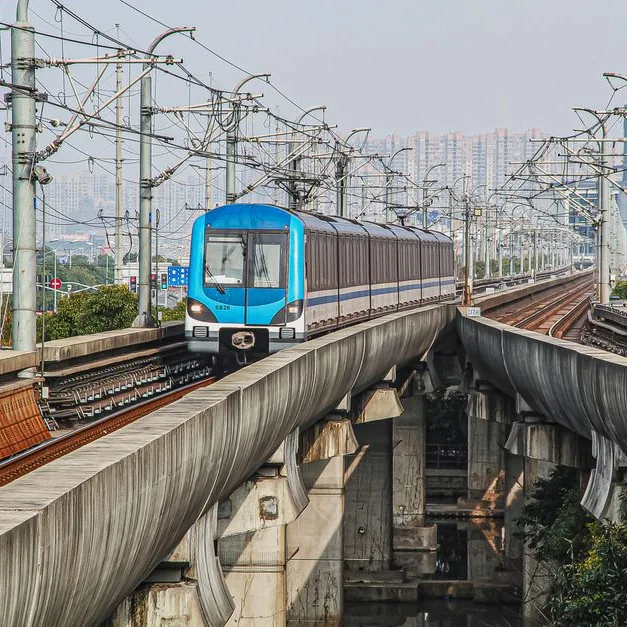
Qīngchén liù diǎn bàn, mǒu shì de dìtiě shí hào xiàn kāishǐ le xīn yì tiān de yùnxíng. Yǔ dàduōshù xiànlù bùtóng, zhè tiáo xiàn de lièchē méiyǒu sījī, yě méiyǒu jiàshǐshì: chētóu de wèizhi bèi gǎi chéng le guānjǐngqū, chéngkè kěyǐ kàndào qiánfāng de tōngdào zài yǎnqián zhǎnkāi. Sān nián qián, zhè tiáo xiànlù chéngwéi guónèi dì yī pī quán zìdòng yùnxíng de dìtiě xiànlù zhī yī, cóng qīngchén zìdòng qǐdòng, jiǎnchá shèbèi, dào yèjiān huí kù qīngxǐ, chōngdiàn, quánbù yóu kòngzhì zhōngxīn de xìtǒng tǒngyī zhǐhuī. Hěn duō chéngkè guānxīn de dì yí ge wèntí shì: méiyǒu sījī, ānquán ma? Dìtiě gōngsī de gōngchéngshī jièshào, lièchē de ānquán bǎozhàng yóu sān céng cuòshī gòuchéng: xìnhào xìtǒng fùzé bǎochí chējù, zhàntái mén yǔ chēmén liándòng kāihé, guǐdào shang ānzhuāng de jiǎncè zhuāngzhì yídàn fāxiàn zhàng'àiwù, néng zài liǎng miǎo zhī nèi mìnglìng lièchē jǐnjí tíngchē. Kāitōng yǐlái, zhè tiáo xiànlù méiyǒu fāshēng guò yìqǐ zérèn shìgù, zhǔndiǎnlǜ fǎn'ér bǐ réngōng jiàshǐ shíqī gèng gāo. Yǒu chéngkè huíyì shuō, gāng zuò méiyǒu sījī de dìtiě shí xīn li duōshǎo yǒudiǎn bù tāshi, jǐ ge yuè yǐhòu, zhè zhǒng dānxīn jiù wánquán xiāoshī le, fǎndào juéde chētóu kàndào de jǐngsè bǐ guǎnggàoqiáng hǎokàn de duō. Rén de juésè bìng méiyǒu xiāoshī, ér shì fāshēng le zhuǎnyí. Měi liè chē shang yǒu yì míng suíchē de chéngwùyuán, píngshí zài chēxiāng li láihuí chákàn, bāngzhù chéngkè jiějué kùnnan, yùdào tūfā qíngkuàng kěyǐ shǒudòng jiēguǎn lièchē; kòngzhì zhōngxīn de dà píngmù qián, gōngzuò rényuán tóngshí guānzhù zhe jǐ shí liè chē de zhuàngtài. Kòngzhì zhōngxīn hái huì dìngqī jǔxíng yìngjí yǎnxí, quèbǎo yìwài zhēn de fāshēng shí, měi ge rén dōu zhīdao zìjǐ gāi zuò shénme. Yǒu zhuānjiā píngjià shuō, quán zìdòng dìtiě de yìyì, bú zài yú xiāomiè le mǒu ge gǎngwèi, ér zài yú bǎ rén cóng chóngfù de cāozuò zhōng jiěfàng chūlái, qù chǔlǐ jīqì bú shàncháng de shìqing: ānwèi zǒushī de háizi, zhàogù tūrán fābìng de lǎorén. Jìshù de jìnbù, zuìzhōng háishì yào huí dào rén de xūyào shang lái.
清晨六点半,某市的地铁十号线开始了新一天的运行。与大多数线路不同,这条线的列车没有司机,也没有驾驶室:车头的位置被改成了观景区,乘客可以看到前方的通道在眼前展开。三年前,这条线路成为国内第一批全自动运行的地铁线路之一,从清晨自动启动、检查设备,到夜间回库清洗、充电,全部由控制中心的系统统一指挥。
很多乘客关心的第一个问题是:没有司机,安全吗?地铁公司的工程师介绍,列车的安全保障由三层措施构成:信号系统负责保持车距,站台门与车门联动开合,轨道上安装的检测装置一旦发现障碍物,能在两秒之内命令列车紧急停车。开通以来,这条线路没有发生过一起责任事故,准点率反而比人工驾驶时期更高。有乘客回忆说,刚坐没有司机的地铁时心里多少有点不踏实,几个月以后,这种担心就完全消失了,反倒觉得车头看到的景色比广告墙好看得多。
人的角色并没有消失,而是发生了转移。每列车上有一名随车的乘务员,平时在车厢里来回查看,帮助乘客解决困难,遇到突发情况可以手动接管列车;控制中心的大屏幕前,工作人员同时关注着几十列车的状态。控制中心还会定期举行应急演习,确保意外真的发生时,每个人都知道自己该做什么。有专家评价说,全自动地铁的意义,不在于消灭了某个岗位,而在于把人从重复的操作中解放出来,去处理机器不擅长的事情:安慰走失的孩子,照顾突然发病的老人。技术的进步,最终还是要回到人的需要上来。
At half past six in the morning, Metro Line 10 of a certain city begins its new day of operation. Unlike most lines, its trains have no driver and no driver's cab: the front has been turned into a viewing area where passengers can watch the track ahead open out before them. Three years ago the line became one of the country's first fully automatic metro lines; from waking and self-checking equipment at dawn, to returning to the depot at night for washing and charging, everything is directed by a central control system. The first question on many passengers' minds is: with no driver, is it safe? An engineer from the metro company explains that the train's safety assurance consists of three layers: the signalling system keeps trains apart; platform doors and train doors open and close in sync; and detection devices installed along the tracks can command an emergency stop within two seconds of spotting an obstacle. Since opening, the line has had no responsibility accidents at all, and its punctuality rate is actually higher than in the manually driven era. One passenger recalls feeling rather uneasy at first on a driverless train; a few months on the worry had vanished entirely; if anything, the view from the front beats an advertising wall. The human role has not disappeared; it has shifted. Each train carries an onboard attendant who walks back and forth through the carriages, helps passengers with difficulties and can take over the train manually in emergencies; in front of the big screens at the control center, staff simultaneously monitor dozens of trains. The control center also holds regular emergency drills, ensuring that everyone knows their role when a real incident occurs. One expert commented that the significance of fully automatic metros lies not in abolishing some post but in freeing people from repetitive operations to handle what machines do poorly: comforting a lost child, caring for an elderly person who suddenly falls ill. In the end, technological progress must return to human needs.
Shí hào xiàn yǔ dàduōshù dìtiě xiànlù zuì dà de bùtóng shì shénme?
十号线与大多数地铁线路最大的不同是什么?
What is Line 10's biggest difference from most metro lines?
Rúguǒ guǐdào shang chūxiàn zhàng'àiwù, xìtǒng huì zěnme zuò?
如果轨道上出现障碍物,系统会怎么做?
What does the system do if an obstacle appears on the track?
Zhè tiáo xiànlù kāitōng yǐlái de shíjì biǎoxiàn rúhé?
这条线路开通以来的实际表现如何?
How has the line actually performed since opening?
Zuìhòu yí duàn zhǔyào biǎodá le zuòzhě zěnyàng de guāndiǎn?
最后一段主要表达了作者怎样的观点?
What viewpoint does the last paragraph mainly express?

Bōdǎ yì jiā yínháng de kèfú diànhuà, tīngtǒng li chuánlái wēnhé de nǚshēng: “Nínhǎo, qǐngwèn yǒu shénme kěyǐ bāng nín?” Nǐ kěnéng méiyǒu yìshídào, duìfāng bìng bú shì rén. Jìnnián lái, yuèláiyuè duō de qǐyè yòng réngōng zhìnéng kèfú dàitì le réngōng kèfú: tāmen bù juéde lèi, kěyǐ tóngshí jiētīng shàng qiān ge láidiàn, ér chéngběn zhǐyǒu réngōng de jǐ fēn zhī yī. Duì qǐyè lái shuō, zhè bǐ zhàng hěn hǎo suàn. Jù gūsuàn, yì jiā zhōngxíng qǐyè yǐnrù zhìnéng kèfú zhīhòu, měi nián jǐnzài rénlì kāizhī shang jiù néng jiéshěng shàng bǎi wàn yuán. Rán'ér, xiāofèizhě de bàoyuàn yě suí zhī ér lái. Yǒu méitǐ zuò guò tǒngjì, zài liǎng qiān duō míng shòufǎngzhě dāngzhōng, chāoguò qī chéng biǎoshì céngjīng bèi zhìnéng kèfú “zhuǎn yūn”: zhuǎn le hǎo jǐ quān yě zhǎo bu dào réngōng fúwù de rùkǒu, miáoshù le bàn tiān wèntí, dédào de què shì dá fēi suǒ wèn de gùdìng huídá. Yí wèi shòufǎngzhě shuō: “Wǒ zhǐshì xiǎng zhīdao wǒ de kuàidì zài nǎlǐ, tā què sān cì yāoqǐng wǒ píngjià tā de fúwù tài dù.” Wèntí chū zài nǎlǐ? Yènèi rénshì fēnxī, zǎoqī de zhìnéng kèfú dàduō zhǐ huì guānjiàncí pǐpèi, tīng bu dǒng kǒuyǔhuà de biǎodá, gèng nán lǐjiě yònghù de qíngxù. Jiějué bànfǎ bìng bú shì tuì huí chún réngōng, ér shì “rén jī jiéhé”: jiǎndān de cháxún jiāo gěi jīqì, fùzá de wèntí hé qíngxù jīdòng de yònghù, dì yī shíjiān zhuǎn gěi zhēnrén chǔlǐ, jīqì zé zài yìpáng jìlù, zhěnglǐ xìnxī. Zhèyàng jì bǎo zhù le xiàolǜ, yě ràng yònghù gǎndào zìjǐ bèi rènzhēn duìdài. Mǒu diànshāng píngtái de shíjiàn zhèngmíng zhè tiáo lù zǒu de tōng: yǐnrù xīn yí dài xìtǒng hòu, yí cìxìng jiějué wèntí de bǐlì shàngshēng le, tóusùliàng fǎn'ér xiàjiàng le liǎng chéng. Yònghù píngjūn děngdài de shíjiān, yě cóng yuánlái de jǐ fēn zhōng suōduǎn dào le jǐ shí miǎo. Yǒu yánjiūzhě zhǐchū, réngōng zhìnéng kèfú de mùbiāo bú shì “méiyǒu rén”, ér shì bǎ rénlì fàng dào zuì yǒu jiàzhí de dìfang —— bìjìng, jīqì kěyǐ mófǎng yǔyán, què hěn nán zhēnzhèng lǐjiě yí ge rén cǐshí cǐkè de xīnqíng.
拨打一家银行的客服电话,听筒里传来温和的女声:“您好,请问有什么可以帮您?”你可能没有意识到,对方并不是人。近年来,越来越多的企业用人工智能客服代替了人工客服:它们不觉得累,可以同时接听上千个来电,而成本只有人工的几分之一。对企业来说,这笔账很好算。据估算,一家中型企业引入智能客服之后,每年仅在人力开支上就能节省上百万元。
然而,消费者的抱怨也随之而来。有媒体做过统计,在两千多名受访者当中,超过七成表示曾经被智能客服“转晕”:转了好几圈也找不到人工服务的入口,描述了半天问题,得到的却是答非所问的固定回答。一位受访者说:“我只是想知道我的快递在哪里,它却三次邀请我评价它的服务态度。”
问题出在哪里?业内人士分析,早期的智能客服大多只会关键词匹配,听不懂口语化的表达,更难理解用户的情绪。解决办法并不是退回纯人工,而是“人机结合”:简单的查询交给机器,复杂的问题和情绪激动的用户,第一时间转给真人处理,机器则在一旁记录、整理信息。这样既保住了效率,也让用户感到自己被认真对待。
某电商平台的实践证明这条路走得通:引入新一代系统后,一次性解决问题的比例上升了,投诉量反而下降了两成。用户平均等待的时间,也从原来的几分钟缩短到了几十秒。有研究者指出,人工智能客服的目标不是“没有人”,而是把人力放到最有价值的地方——毕竟,机器可以模仿语言,却很难真正理解一个人此时此刻的心情。
Dial a bank's customer-service line and a gentle female voice answers: 'Hello, how may I help you?' You may not realize that the other party is not human. In recent years more and more companies have replaced human agents with AI customer service: never tired, able to take thousands of calls at once, at a fraction of the cost. For businesses, that math is easy. By one estimate, a mid-sized firm that introduces smart customer service saves over a million yuan a year in labour costs alone. Consumer complaints have followed, however. One media survey of over two thousand respondents found that more than seventy percent had been made dizzy by smart service loops: after being transferred round and round they could not find the entrance to human support, explained their problem at length and received canned replies that missed the point. One respondent said: 'I only wanted to know where my parcel was, and it invited me three times to rate its service attitude.' Where does the problem lie? Industry insiders analyze that early chatbots could do little beyond keyword matching: they cannot understand colloquial expressions, let alone users' emotions. The solution is not reverting to purely human service but 'human-machine combination': simple queries go to machines, while complex problems and emotionally agitated customers are transferred immediately to real people, with machines recording and organizing information alongside. That preserves efficiency while making users feel taken seriously. The practice of one e-commerce platform proves this path works: after introducing a new-generation system, the proportion of problems solved in one contact rose, and complaints fell by twenty percent instead, and average user waiting time shrank from several minutes to tens of seconds. Researchers note that the goal of AI customer service is not 'no humans' but putting human effort where it is most valuable: after all, machines can imitate language yet hardly truly understand what a person is feeling at this very moment.
Qǐyè yuànyì shǐyòng réngōng zhìnéng kèfú de zhǔyào yuányīn shì shénme?
企业愿意使用人工智能客服的主要原因是什么?
Why are firms willing to use AI customer service?
Xiāofèizhě duì zhìnéng kèfú de zhǔyào bàoyuàn shì shénme?
消费者对智能客服的主要抱怨是什么?
What is consumers' main complaint about smart customer service?
"Rén jī jiéhé" de zuòfǎ shì zěnyàng fēngōng de?
“人机结合”的做法是怎样分工的?
How does 'human-machine combination' divide the work?
Yánjiūzhě rènwéi réngōng zhìnéng kèfú de fāzhǎn mùbiāo shì shénme?
研究者认为人工智能客服的发展目标是什么?
What do researchers see as the goal for AI customer service?
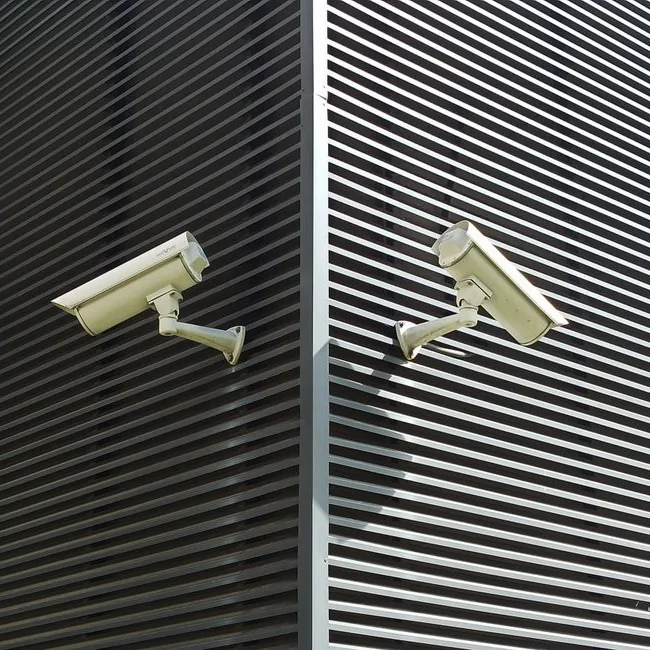
Chūmén shàngbān, dǎkāi shǒujī jiù néng kàndào jiā li de māo yǒu méiyǒu gǎo pòhuài; lǎorén dúzì zài jiā, zǐnǚ tōngguò shèxiàngtóu suíshí shuō jù huà —— rújīn, jiāyòng shèxiàng shèbèi zhèng yǐ jīngrén de sùdù jìnrù pǔtōng jiātíng, jiàgé cóng yìbǎi duō yuán dào jǐ bǎi yuán bù děng, ānzhuāng yě shífēn jiǎndān. Mǒu diànshāng píngtái de shùjù xiǎnshì, qùnián jiāyòng shèxiàngtóu de xiāoliàng zēngzhǎng le yí bèi yǐshàng, qízhōng xiāngdāng yí bùfen gòumǎizhě, shì tì fùmǔ xiàdān de niánqīngrén. Yí wèi gòumǎizhě liúyán shuō, zìcóng jiā li zhuāng shang shèxiàngtóu, tā jiābān shí yě néng kàn yi yǎn fùmǔ shìfǒu píng'ān dào jiā, xīn li tàshi le xǔduō. Biànlì zhī wài, fēngxiǎn yě zài jīlěi. Ānquán yánjiū rényuán yǎnshì guò zhèyàng de chǎngjǐng: lìyòng ruò mìmǎ huòzhě ruǎnjiàn lòudòng, mòshēngrén kěyǐ dǎkāi biérén de shèxiàngtóu, kàndào biérén rìcháng shēnghuó de huàmiàn, shènzhì bǎ pāi dào de huàmiàn fàng dào wǎngshang chūshòu. Gèng chángjiàn de wèntí fāshēng zài jiātíng nèibù: yǒu lǜshī jièshào, tāmen chǔlǐ guò de jiūfēn zhōng, yǒu zǐnǚ wèile jiāndū jiā li qǐng de āyí ér zài kètīng ānzhuāng shèxiàngtóu, jiéguǒ yǐnfā le xiōngdì jiěmèi zhījiān de máodùn; yě yǒu fūqī yīnwèi zài wòshì tōutōu ānzhuāng shèbèi ér nào shàng le fǎtíng. Zhèxiē jiūfēn tíxǐng wǒmen, zài qīnmì de guānxì, yě tóngyàng xūyào biānjiè. Fǎlǜ jiè rénshì tíxǐng, zài jiā li ānzhuāng shèxiàngtóu tóngyàng cúnzài biānjiè: kètīng, dàmén shǔyú gōnggòng huódòng qūyù, yìbān wèntí bú dà; wòshì, wèishēngjiān shèjí gèrén yǐnsī, wèijīng duìfāng tóngyì jiù ānzhuāng, kěnéng gòuchéng wéifǎ. Jìshù běnshēn shì zhōnglì de, guānjiàn zài yú shǐyòng tā de rén: tóng yì tái shèbèi, míngmíng báibái de zhuāng zài ménkǒu shì shǒuhù, tōutōu mōmō de cáng jìn wòshì jiùshì màofàn. Zhèng rú yí wèi wǎngluò ānquán zhuānjiā suǒ shuō: “Wǒmen zhuāng shang shèxiàngtóu, shì wèile shǒuhù zhège jiā, ér bú shì yìtiān-dàowǎn kànzhe zìjǐ jiā lǐ rén.” Zài àn xià “tóngyì fēnxiǎng” zhīqián, měi ge rén huòxǔ dōu yīnggāi xiān wèn yi wèn zìjǐ: zhè tái xiǎo xiǎo de jīqì, jiùjìng zài kàn shéi?
出门上班,打开手机就能看到家里的猫有没有搞破坏;老人独自在家,子女通过摄像头随时说句话——如今,家用摄像设备正以惊人的速度进入普通家庭,价格从一百多元到几百元不等,安装也十分简单。某电商平台的数据显示,去年家用摄像头的销量增长了一倍以上,其中相当一部分购买者,是替父母下单的年轻人。一位购买者留言说,自从家里装上摄像头,他加班时也能看一眼父母是否平安到家,心里踏实了许多。
便利之外,风险也在积累。安全研究人员演示过这样的场景:利用弱密码或者软件漏洞,陌生人可以打开别人的摄像头,看到别人日常生活的画面,甚至把拍到的画面放到网上出售。更常见的问题发生在家庭内部:有律师介绍,他们处理过的纠纷中,有子女为了监督家里请的阿姨而在客厅安装摄像头,结果引发了兄弟姐妹之间的矛盾;也有夫妻因为在卧室偷偷安装设备而闹上了法庭。这些纠纷提醒我们,再亲密的关系,也同样需要边界。
法律界人士提醒,在家里安装摄像头同样存在边界:客厅、大门属于公共活动区域,一般问题不大;卧室、卫生间涉及个人隐私,未经对方同意就安装,可能构成违法。技术本身是中立的,关键在于使用它的人:同一台设备,明明白白地装在门口是守护,偷偷摸摸地藏进卧室就是冒犯。正如一位网络安全专家所说:“我们装上摄像头,是为了守护这个家,而不是一天到晚看着自己家里人。”在按下“同意分享”之前,每个人或许都应该先问一问自己:这台小小的机器,究竟在看谁?
Out at work, you open your phone to check whether the cat has been up to mischief; an old parent home alone gets a word through the camera whenever the children like; household cameras are entering ordinary families at an astonishing speed, priced from a little over a hundred yuan to several hundred and simple to install. Data from an e-commerce platform show sales of home cameras grew by more than double last year, and a considerable share of the buyers were young people ordering on their parents' behalf. One buyer commented that since the camera went in, he can check during overtime whether his parents got home safely, which puts his mind at ease. With convenience, risks accumulate too. Security researchers have demonstrated scenarios in which strangers exploit weak passwords or software holes to break into cameras, spy on private daily life, even sell the footage online. More common problems arise inside families: lawyers handling such disputes describe children installing living-room cameras to supervise nannies, sparking conflicts among siblings, and couples ending up in court because one secretly installed a device in the bedroom. Such disputes remind us that even the closest relationships need boundaries. Legal professionals remind us that home cameras have boundaries too: living rooms and front doors are shared areas, generally unproblematic; bedrooms and bathrooms involve personal privacy, and installing a device there without the other person's consent may constitute an offence. Technology itself is neutral; what matters is the person using it: the same device, installed openly at the door, is protection; hidden sneakily in a bedroom, it is an affront. As one cybersecurity expert put it: 'We install cameras to guard this home, not to keep our own family under constant watch.' Before pressing 'agree to share', everyone might first ask themselves: this little machine: who is it really watching?
Gēnjù wénzhāng, xǔduō niánqīngrén gòumǎi jiāyòng shèxiàngtóu de yuányīn zhī yī shì shénme?
根据文章,许多年轻人购买家用摄像头的原因之一是什么?
According to the article, why do many young people buy home cameras?
Ānquán yánjiū rényuán de yǎnshì shuōmíng le shénme fēngxiǎn?
安全研究人员的演示说明了什么风险?
What risk do the researchers' demonstrations illustrate?
Fǎlǜ jiè rénshì rènwéi, zài nǎxiē dìfang sīzì ānzhuāng shèxiàngtóu kěnéng wéifǎ?
法律界人士认为,在哪些地方私自安装摄像头可能违法?
Where may covert installation be unlawful, according to legal professionals?
Yǐnyòng wǎngluò ānquán zhuānjiā de huà, shì wèile shuōmíng shénme dàolǐ?
引用网络安全专家的话,是为了说明什么道理?
What point does quoting the security expert illustrate?

Guìzi shēnchù, shì bu shì yě tǎng zhe jǐ bù jiù shǒujī? Yǒuguān jīgòu de tǒngjì xiǎnshì, quánguó píngjūn měi nián chǎnshēng liù yì bù yǐshàng búyào de jiù shǒujī, dàn tōngguò zhèngguī qúdào huíshōu de bǐlì zhǐyǒu yì chéng zuǒyòu. Dàliàng jiù shǒujī bèi xiánzhì zài jiā zhōng, huòzhě liúrù fēi zhèngguī de huíshōu diǎn: nàlǐ de dìxià xiǎo gōngchǎng yòng huǒ shāo, yòng suān xǐ, tíqǔ qízhōng de guìjīnshǔ, jì làngfèi zīyuán, yòu yánzhòng wūrǎn huánjìng. Yào zhīdao, yí bù xiǎo xiǎo de shǒujī li, hányǒu de jīnshǔ zīyuán qíshí xiāngdāng bǎoguì. Wèile gǎibiàn zhè yí júmiàn, duō ge chéngshì jìnnián lái tuīchū le “yǐ jiù huàn xīn” huódòng: xiāofèizhě ná jiù shǒujī huàngòu xīnjī, kěyǐ zhíjiē jiǎn jǐ bǎi yuán qián; huíshōu qǐyè zé bǎ jiù shǒujī fēn chéng sān dàng chǔlǐ —— wàiguān hé zhìliàng hǎo de jīngguò jiǎncè, xiāodú hòu jìnrù èrshǒu shìchǎng liútōng; zhìliàng yìbān de bèi chāijiě chéng língjiàn, yòng yú wéixiū hángyè; shízài wúfǎ shǐyòng de, jiāo gěi yǒu zhuānmén zīgé de gōngchǎng, ānquán de tíqǔ jīn, yín, tóng děng jīnshǔ, zhěngge chǔlǐ guòchéng dōu yǒu jìlù kěyǐ cháxún. Tīng qǐlái hěn měihǎo, tuīguǎng què bù qīngsōng. Diàochá xiǎnshì, rénmen bú yuànyì jiāo chū jiù shǒujī, pái zài qián sān wèi de yuányīn shì: dānxīn gèrén xìnxī bèi rén tōuzǒu, juéde huíshōu jiàgé tài dī, yǐjí wǎngdiǎn tài shǎo, pǎo yí tàng bù zhídé; yě yǒu rén juéde, jiù shǒujī liú zài shǒu lǐ zǒng yǒu yòngchu, shuōbudìng nǎ tiān hái néng kāijī kànkan lǐmiàn cún de zhàopiàn. Zhēnduì dì yì diǎn, duō jiā qǐyè tuīchū le miǎnfèi qīngchú shùjù de fúwù, bìng chéngnuò quán chéng lùxiàng; zhēnduì hòu liǎng diǎn, yìxiē pǐnpái bǎ huíshōudiǎn kāi jìn le biànlìdiàn, hái yǔnxǔ yònghù yòng huíshōu de qián huàn gòuwùkǎ. Zhèxiē bànfǎ ràng pǔtōngrén cānyù huíshōu biàn de róngyì duō le. Yǒu huánbǎo xuézhě suàn guò yì bǐ zhàng: rúguǒ quánguó de jiù shǒujī huíshōulǜ tígāo yí bèi, měi nián jiù kěyǐ shǎo cóng dìxià kāicǎi dàliàng de jīnshǔ yuánliào. Zài nǐ bǎ xià yí bù jiù shǒujī shōu jìn guìzi zhīqián, bùfáng xiān xiǎng yi xiǎng —— tā yěxǔ hái néng fāhuī zuìhòu de yúrè.
柜子深处,是不是也躺着几部旧手机?有关机构的统计显示,全国平均每年产生六亿部以上不要的旧手机,但通过正规渠道回收的比例只有一成左右。大量旧手机被闲置在家中,或者流入非正规的回收点:那里的地下小工厂用火烧、用酸洗,提取其中的贵金属,既浪费资源,又严重污染环境。要知道,一部小小的手机里,含有的金属资源其实相当宝贵。
为了改变这一局面,多个城市近年来推出了“以旧换新”活动:消费者拿旧手机换购新机,可以直接减几百元钱;回收企业则把旧手机分成三档处理——外观和质量好的经过检测、消毒后进入二手市场流通;质量一般的被拆解成零件,用于维修行业;实在无法使用的,交给有专门资格的工厂,安全地提取金、银、铜等金属,整个处理过程都有记录可以查询。
听起来很美好,推广却不轻松。调查显示,人们不愿意交出旧手机,排在前三位的原因是:担心个人信息被人偷走,觉得回收价格太低,以及网点太少、跑一趟不值得;也有人觉得,旧手机留在手里总有用处,说不定哪天还能开机看看里面存的照片。针对第一点,多家企业推出了免费清除数据的服务,并承诺全程录像;针对后两点,一些品牌把回收点开进了便利店,还允许用户用回收的钱换购物卡。这些办法让普通人参与回收变得容易多了。
有环保学者算过一笔账:如果全国的旧手机回收率提高一倍,每年就可以少从地下开采大量的金属原料。在你把下一部旧手机收进柜子之前,不妨先想一想——它也许还能发挥最后的余热。
In the depth of your drawer, aren't a few old phones lying around? Statistics from relevant bodies show the country generates over six hundred million unwanted old phones a year, yet only about ten percent are recycled through proper channels. Vast numbers sit idle at home or flow into informal collection points, where underground little workshops burn and acid-wash them to extract precious metals, wasting resources and heavily polluting the environment. Remember: the metal resources inside one little phone are actually quite precious. To change this, many cities have recently launched 'trade-in' programs: consumers swapping an old phone for a new one get several hundred yuan deducted directly; recycling firms sort old phones into three grades: good-looking, well-functioning ones are tested, disinfected and resold on the second-hand market; average ones are dismantled into parts for the repair trade; the truly unusable go to specially qualified plants for safe extraction of gold, silver, copper and other metals, with the whole process logged and traceable. It sounds wonderful, but promotion is anything but easy. Surveys show the top three reasons people hesitate to hand in old phones: fear of personal data theft, prices seen as too low, and too few drop-off points to be worth the trip. Others feel an old phone may still come in handy; someday it might even boot up so they can look at the photos stored inside. Against the first, many firms now offer free data-wiping services with the whole process filmed; against the latter two, some brands have opened collection points inside convenience stores and let users convert credit into shopping cards. These measures make it far easier for ordinary people to take part in recycling. One environmental scholar did the math: if the national recycling rate doubled, vast amounts of metal raw material need not be mined from the ground each year. Before you toss your next old phone into a drawer, think for a moment: it may still have one last spark of usefulness left.
Mùqián jiù shǒujī huíshōu miànlín de zuì dà wèntí shì shénme?
目前旧手机回收面临的最大问题是什么?
What is the biggest problem facing phone recycling today?
Huíshōu qǐyè rúhé chǔlǐ bùtóng dàngcì de jiù shǒujī?
回收企业如何处理不同档次的旧手机?
How do recyclers treat different grades of old phones?
Gēnjù diàochá, rénmen bú yuànyì jiāo chū jiù shǒujī de yuányīn bù bāokuò xiàliè nǎ xiàng?
根据调查,人们不愿意交出旧手机的原因不包括下列哪项?
Per the survey, which is NOT among the reasons people hesitate to hand in old phones?
Huánbǎo xuézhě suàn de nà bǐ zhàng shì xiǎng shuōmíng shénme?
环保学者算的那笔账是想说明什么?
What does the environmental scholar's calculation aim to show?

Chūguó lǚxíng, zuì pà de bú shì huāqián, ér shì lián wèn ge lù dōu shuō bu míngbai. Rújīn, yì kuǎn xiǎo xiǎo de fānyì ěrjī zhèngzài gǎibiàn zhè yíqiè: dài shang tā, nǐ shuō Zhōngwén, duìfāng tīngdào de shì jíshí de wàiyǔ; duìfāng huídá, nǐ ěrbiān xiǎngqǐ de yòu shì shúxī de mǔyǔ. Yǒu shǐyòngzhě xíngróng, jiù xiàng shēnbiān gēn zhe yí wèi suíxíng kǒuyìyuán. Zài guówài jīchǎng, cāntīng hé shāngchǎng li, yuèláiyuè duō de Zhōngguó yóukè bǎ tā guà zài ěrduo shang. Fānyì ěrjī de gōngzuò guòchéng kěyǐ gàikuò wéi sān bù: xiān lùxià shuōhuàrén de shēngyīn, bǎ tā zhuǎnhuàn chéng wénzì; jiēzhe yóu fānyì chéngxù zài líng diǎn jǐ miǎo zhī nèi wánchéng zhuǎnhuàn; zuìhòu yóu ěrjī bǎ tā xiǎoshēng de dú chūlái. Zhīchēng zhè yí guòchéng de, shì jìnnián réngōng zhìnéng yǔyīn jìshù de tūpò —— xìtǒng xuéxí le hǎiliàng de zhēnshí duìhuà, búdàn néng fānyì zìmiàn yìsi, hái néng chǔlǐ chéngyǔ hé bù wánzhěng de jùzi, zhǔnquèlǜ yǐjīng jiējìn zhíyè yìyuán de shuǐpíng. Gēngxīn zhīhòu de xìtǒng shènzhì néng gēnjù chǎnghé zìdòng tiáozhěng yǔqì: tóngyàng yí jù wènhòu, duì péngyou hé duì kèhù, yì chūlái de wèidào bìng bù yíyàng. Dāngrán, zhè lèi shèbèi bìng fēi wànnéng. Píngcè jīgòu fāxiàn, zài hěn chǎo de huánjìng zhōng, shíbié cuòwù míngxiǎn zēngduō; shèjí fǎlǜ, yīliáo děng zhuānyè chǎnghé, jīqì réngrán kěnéng chūxiàn yánzhòng de wùyì. Gèng zhòngyào de shì, yǔyán cónglái bù zhǐ shì chuándì xìnxī de gōngjù: yí jù wènhòu li de yǔqì, yí jù wánxiàohuà li cángzhe de gǎnqíng, jīqì zànshí hái chuándá bu chūlái. Yǒu zīshēn fānyì pínglùn shuō, gōngjù chéngdān le gōutōng zhōng bǎi fēn zhī bāshí de tǐlì láodòng, shèngxià de bǎi fēn zhī èrshí, yīrán yào kào rén yǔ rén zhījiān de zhēnchéng. Huàn jù huà shuō, gōngjù jiějué de shì “tīng dǒng” de wèntí, “lǐjiě” réngrán xūyào yóu rén lái wánchéng. Wúlùn rúhé, pǔtōngrén hé shuō wàiyǔ de rén zhíjiē jiāoliú de nándù quèshí zài shíshí-zàizài de jiàngdī. Yěxǔ yòng bu liǎo duō jiǔ, dài zhe ěrjī zǒu biàn shìjiè, jiù huì xiàng jīntiān dài zhe shǒujī yíyàng píngcháng.
出国旅行,最怕的不是花钱,而是连问个路都说不明白。如今,一款小小的翻译耳机正在改变这一切:戴上它,你说中文,对方听到的是即时的外语;对方回答,你耳边响起的又是熟悉的母语。有使用者形容,就像身边跟着一位随行口译员。在国外机场、餐厅和商场里,越来越多的中国游客把它挂在耳朵上。
翻译耳机的工作过程可以概括为三步:先录下说话人的声音,把它转换成文字;接着由翻译程序在零点几秒之内完成转换;最后由耳机把它小声地读出来。支撑这一过程的,是近年人工智能语音技术的突破——系统学习了海量的真实对话,不但能翻译字面意思,还能处理成语和不完整的句子,准确率已经接近职业译员的水平。更新之后的系统甚至能根据场合自动调整语气:同样一句问候,对朋友和对客户,译出来的味道并不一样。
当然,这类设备并非万能。评测机构发现,在很吵的环境中,识别错误明显增多;涉及法律、医疗等专业场合,机器仍然可能出现严重的误译。更重要的是,语言从来不只是传递信息的工具:一句问候里的语气、一句玩笑话里藏着的感情,机器暂时还传达不出来。有资深翻译评论说,工具承担了沟通中百分之八十的体力劳动,剩下的百分之二十,依然要靠人与人之间的真诚。换句话说,工具解决的是“听懂”的问题,“理解”仍然需要由人来完成。
无论如何,普通人和说外语的人直接交流的难度确实在实实在在地降低。也许用不了多久,戴着耳机走遍世界,就会像今天带着手机一样平常。
Traveling abroad, the scariest thing is not spending money but being unable even to ask directions. Now a tiny translation earphone is changing all that: wear it, speak Chinese, and the other side hears instant foreign speech; their reply comes back to your ears in your familiar mother tongue. Users liken it to having a personal interpreter at one's side. In airports, restaurants and malls abroad, more and more Chinese travelers keep one hanging on their ears. The earphone's working process boils down to three steps: first record the speaker's voice and convert it into text; then a translation program completes the conversion within a fraction of a second; finally the earphone quietly reads it out. Underpinning this are recent breakthroughs in AI speech technology: trained on massive real conversations, systems translate not just literal meanings but also set idioms and incomplete sentences, with accuracy approaching professional interpreters. Updated systems can even adjust tone by occasion: the same greeting reads differently addressed to a friend than to a client. Of course such devices are far from omnipotent. Testing agencies find recognition errors multiply in noisy surroundings; in professional settings involving law or medicine, serious mistranslations can still occur. More importantly, language was never merely an information pipe: the tone inside a greeting, the feeling hidden inside a joke, machines cannot yet convey these. One veteran translator remarks that tools shoulder eighty percent of communication's manual labour; the remaining twenty percent still depends on sincerity between people. In other words, tools solve the problem of 'hearing'; 'understanding' still has to be done by humans. In any case, the difficulty of cross-language communication for ordinary people is genuinely falling. Perhaps before long, seeing the world with earphones in will seem as ordinary as carrying a phone does today.
Fānyì ěrjī de gōngzuò guòchéng yīcì bāokuò nǎ sān ge bùzhòu?
翻译耳机的工作过程依次包括哪三个步骤?
What three steps does the translation earphone work through, in order?
Fānyì zhìliàng de tíshēng zhǔyào yīkào shénme?
翻译质量的提升主要依靠什么?
What mainly drives the improvement in translation quality?
Gēnjù wénzhāng, fānyì ěrjī zài shénme qíngkuàng xià biǎoxiàn jiào chà?
根据文章,翻译耳机在什么情况下表现较差?
When does the translation earphone perform relatively poorly?
Zīshēn fānyì de huà biǎodá le zěnyàng de guāndiǎn?
资深翻译的话表达了怎样的观点?
What view does the veteran translator's remark convey?

2 questions · 45 minutes in the real exam
应用文写作。Write the practical text the task asks for.
你想邀请班里的同学周末一起去爬山。请写一则邀请信息,内容包括时间、地点和需要准备的东西。字数不少于150字。
You want to invite your classmates on a weekend hike. Write an invitation message including the time, the place and what to bring. At least 150 characters.
Example answer
各位同学:这个周六我们班打算去城外的白云山爬山,欢迎大家一起来。我们早上七点半在学校南门集合,坐大巴过去,九点左右开始上山,下午四点回到学校。山路中间有一段比较难走,请大家一定穿运动鞋,不要穿皮鞋。午饭在山上吃,需要自己带面包、水果和水,山上没有卖东西的地方。另外,山上风大,温度比城里低几度,最好再带一件外套。爬山既能锻炼身体,又能欣赏风景,是放松的好机会。想参加的同学,请在周五之前告诉我,我好统计人数、订车。希望大家积极报名!
Classmates: this Saturday our class is hiking Baiyun Mountain outside town, and everyone is welcome. We meet at 7:30 am at the school's south gate, go there by coach, start up the mountain around nine and are back at school by four. Part of the trail is hard going, so wear sports shoes, not leather shoes. We eat lunch on the mountain: bring your own bread, fruit and water, since there is nowhere up there to buy food. Also, it is windy on top and a few degrees cooler than in town, so a jacket is a good idea. Hiking builds fitness and the views are lovely, a great chance to unwind. Tell me by Friday if you would like to come, so that I can count numbers and book the coach. I hope you will all sign up!
你租了一套两居室的房子,现在想找一位室友合租。请在网上写一则招租信息,内容包括房子的位置和设施、租金以及你对室友的要求。字数不少于150字。
You rented a two-bedroom apartment and are now looking for a roommate to share it with. Write an online rental listing that includes the apartment's location and facilities, the rent, and your requirements for a roommate. Write at least 150 characters.
Model answer
招租启事
本人在阳光花园租了一套两居室,现寻找一位室友合租。房子位于地铁三号线附近,步行到站仅需五分钟,小区周围有超市、餐厅和银行,生活十分方便。房间朝南,采光良好,配有空调、洗衣机、冰箱和无线网络,家具家电齐全,可以拎包入住。月租金为一千八百元,水电费和物业费由两人平摊。希望室友作息规律、爱干净、性格随和,不吸烟。如果你对这套房子感兴趣,欢迎随时联系我,看房时间可以协商。
Roommate Wanted. I've rented a two-bedroom apartment in Sunshine Garden and am now looking for a roommate to share it with. The apartment is a five-minute walk from Line 3 of the subway, and the neighborhood has supermarkets, restaurants, and banks nearby, making daily life very convenient. The room faces south with good natural light, and comes fully furnished with air conditioning, a washing machine, a refrigerator, and Wi-Fi, move-in ready. Rent is 1,800 yuan a month, with utilities and the property fee split evenly between the two of us. I'm hoping for a roommate with regular habits, who is tidy, easygoing, and a non-smoker. If you're interested, feel free to contact me anytime; we can arrange a time to view the place.
写作。Write an essay on the topic.
有人认为成功主要靠努力,也有人认为成功主要靠运气。请写一篇作文,谈谈你的看法。字数不少于300字。
Some people believe success depends mainly on hard work, others mainly on luck. Write an essay giving your view. At least 300 characters.
Example answer
关于成功主要靠努力还是靠运气,我的看法很明确:成功主要靠努力,运气只能起到辅助的作用。
首先,运气也许能带来一次机会,但只有平时的努力才能让人抓住机会,把机会变成成绩。同一个机会摆在两个人面前,有准备的人立刻就能看出它值不值得做,也知道该怎么做;没有积累的人就算碰上了,也只能眼看着它白白跑掉。可见机会本身并不等于成功,能不能利用机会,靠的还是实力。
其次,努力是可以控制的,运气不行。谁也无法决定自己什么时候遇到好运气,但每个人都可以决定每天做什么、学什么。把希望放在运气上,人会越来越被动;把精力放在努力上,哪怕暂时看不到效果,时间久了,能力自然会提高。所以,努力才是真正靠得住的东西。
当然,我不是说运气完全不重要。在现实生活中,运气确实会影响一件事的速度,但很难改变它的方向。没有努力打基础,好运来了也接不住;只要一直认真做准备,运气差一点,最多是慢一些,不会影响最后的成功。
因此,与其等待运气,不如脚踏实地地做好每一件事。每一步认真的积累,都是在为将来的机会做准备。做到了这一点,成功自然就会离我们越来越近。
On whether success depends mainly on effort or on luck, my view is clear: success depends mainly on effort, and luck can only assist. First, luck may bring a chance, but only steady effort lets a person seize it and turn it into results. Put the same chance in front of two people: the prepared one sees at once whether it is worth doing and knows how to do it, while the one without preparation can only watch it slip away. A chance by itself is not success; what turns it into success is the ability built by effort. Second, effort is within our control and luck is not. Nobody can decide when good luck arrives, but everyone can decide what to do and learn each day. Pinning hope on luck makes a person ever more passive; putting energy into effort may show no result for a while, yet over time ability grows of itself. Effort, then, is what you can truly rely on. Of course, I am not saying luck is entirely unimportant. In real life it does affect how fast things go, but it can hardly change their direction. Without effort underneath, even good luck cannot be caught; keep preparing seriously and the worst bad luck does is slow you down, not stop you. So rather than waiting for luck, work steadily at everything you do. Each step of serious preparation is getting ready for the chances ahead; do that, and success will come ever closer of its own accord.
随着全球化的发展,传统文化受到很大冲击。有人认为传统文化会慢慢失去生命力,也有人认为它完全可以借助创新重新获得生命力。请写一篇不少于300字的作文,谈谈你的看法。
As globalization advances, traditional culture has come under real pressure. Some believe it will slowly lose its vitality; others believe innovation can fully restore it. Please write an essay of no fewer than 300 characters giving your view.
Model answer
zài quánqiúhuà de làngcháo zhōng gèzhǒng wénhuà xiānghù pèngzhuàng jiāoliú chuántǒng wénhuà quèshí miànlín zhe bèi biānyuánhuà de wēixiǎn yìxiē niánqīngrén rèzhōngyú xīfāng de jiérì hé shēnghuó fāngshì duì chuántǒngjiérì què liǎojiě shèn shǎo dàn zhè bìng bú yìwèizhe chuántǒng wénhuà méiyǒu chūlù qiàqiàxiāngfǎn wǒ rènwéi chuántǒng wénhuà yǒuzhe bùkě tìdài de jiàzhí shǒuxiān chuántǒng wénhuà fùxīng de gēnjī zàiyú jiàoyù rúguǒ cóng xiǎoxué kāishǐ zài kèchéng zhōng jiārù gèng duō de chuántǒng wénhuà nèiróng ràng háizi men cóngxiǎo jiù xuéxí gǔshīcí shūfǎ guóhuà zìrán huì péiyǎng qǐ duì chuántǒng wénhuà de rèài qícì chuántǒng wénhuà de chuánchéng xūyào chuàngxīn gùgōngbówùyuàn jiùshì yígè hěn hǎo de lìzi tōngguò wénchuàng chǎnpǐn de kāifā ràng gǔlǎo de wénwù biàndé yǒuqù yòu shíshàng zuìhòu méitǐ yīnggāi chéngdān qǐ chuánbō chuántǒng wénhuà de zérèn xiànzài yìxiē duǎn shìpín píngtái shàng yǒu hěnduō bózhǔyòng xiàndài de fāngshì yǎnyì chuántǒng xìqǔ hé mínyuè shòudào le niánqīngrén de huānyíng guīgēnjiédǐ wénhuà zìxìn búshì kào hǎn kǒuhào jiànlì de érshì yào ràng rénmen zhēnzhèng rènshi dào chuántǒng wénhuà de mèilì hé jiàzhí
在全球化的浪潮中,各种文化相互碰撞交流,传统文化确实面临着被边缘化的危险。一些年轻人热衷于西方的节日和生活方式,对传统节日却了解甚少。但这并不意味着传统文化没有出路,恰恰相反,我认为传统文化有着不可替代的价值。首先,传统文化复兴的根基在于教育。如果从小学开始在课程中加入更多的传统文化内容,让孩子们从小就学习古诗词、书法、国画,自然会培养起对传统文化的热爱。其次,传统文化的传承需要创新。故宫博物院就是一个很好的例子,通过文创产品的开发让古老的文物变得有趣又时尚。最后,媒体应该承担起传播传统文化的责任。现在一些短视频平台上有很多博主用现代的方式演绎传统戏曲和民乐,受到了年轻人的欢迎。归根结底,文化自信不是靠喊口号建立的,而是要让人们真正认识到传统文化的魅力和价值。
In the wave of globalization, various cultures collide and exchange with each other, and traditional culture is indeed facing the danger of being marginalized. Some young people are keen on Western festivals and lifestyles, but know little about traditional festivals. But this does not mean that traditional culture has no way out. On the contrary, I think traditional culture has irreplaceable value. First of all, the foundation of the revitalization of traditional culture lies in education. If more traditional cultural content is added to the curriculum starting from primary school, and children are allowed to learn ancient poetry, calligraphy, and traditional Chinese painting from an early age, they will naturally develop a love for traditional culture. Secondly, the inheritance of traditional culture requires innovation. The Palace Museum is a good example of making ancient cultural relics interesting and fashionable through the development of cultural and creative products. Finally, the media should assume the responsibility of spreading traditional culture. Nowadays, there are many bloggers on some short video platforms who perform traditional opera and folk music in modern ways, which has been welcomed by young people. In the final analysis, cultural confidence is not built by shouting slogans, but by making people truly realize the charm and value of traditional culture.

5 questions · 23 minutes in the real exam
听后复述。Listen, then retell what you heard.
What you heard
Zuìjìn, yì zǔ kēxuéjiā fāxiàn, yì zhǒng hēisè de niǎo bùjǐn huì shǐyòng jiǎndān de gōngjù, hái néng gēnjù bùtóng de rènwù duì gōngjù jìnxíng jiāgōng hé gǎizào. Yánjiū rényuán bǎ xiǎo gùnzi hé yìng zhǐpiàn fàngzài zhèzhǒng niǎo de miànqián, jiéguǒ tāmen hěnkuài jiù xuéhuì le bǎ cáiliào wānqū chéng héshì de xíngzhuàng, yònglái jiā qǔgòu búdào de shíwù, zhěnggè guòchéng jī hū bù xūyào rénlèi de yǐndǎo. Zhuānjiā zhǐchū, zhè shuōmíng zhèzhǒng niǎo de sīkǎo nénglì bǐ rénmen yǐqián xiǎngxiàng de yào fùzá de duō, shènzhì jùbèi le yí dìng de guīhuà nénglì. Zhèxiàng yánjiū yě ràng kēxuéjiā chóngxīn sīkǎo gāi zěnme píngjià dòngwù de cōngmíng chéngdù, rènwéi bùnéng zhǐyòng rénlèi de biāozhǔn qù héngliáng qítā dòngwù.
最近,一组科学家发现,一种黑色的鸟不仅会使用简单的工具,还能根据不同的任务对工具进行加工和改造。研究人员把小棍子和硬纸片放在这种鸟的面前,结果它们很快就学会了把材料弯曲成合适的形状,用来夹取够不到的食物,整个过程几乎不需要人类的引导。专家指出,这说明这种鸟的思考能力比人们以前想象的要复杂得多,甚至具备了一定的规划能力。这项研究也让科学家重新思考该怎么评价动物的聪明程度,认为不能只用人类的标准去衡量其他动物。
Recently, a group of scientists discovered that a certain black bird can not only use simple tools but also modify and shape tools according to different tasks. Researchers placed small sticks and pieces of cardboard in front of the birds, and the birds quickly learned to bend the materials into a suitable shape to pull in food that was out of reach, doing so almost without any human guidance. Experts point out that this shows the birds' thinking ability is far more complex than people previously imagined, even showing a degree of planning ability. This research has also made scientists reconsider how to evaluate animal intelligence, arguing that other animals should not simply be measured by human standards.
Example answer
Kēxuéjiā fāxiàn zhèzhǒng hēisè de niǎohuì gēnjù bùtóng rènwù jiāgōng gōngjù, bǐrú bǎ xiǎo gùnzi wānchéng héshì de xíngzhuàng qù jiā qǔgòu búdào de shíwù, jī hū bù xūyào rén yǐndǎo. Zhè shuōmíng tāmen de sīkǎo nénglì bǐ rénmen yuánlái xiǎng de fùzá, jùbèi yí dìng de guīhuà nénglì, yě ràng rénmen chóngxīn sīkǎo gāi zěnme píngjià dòngwù yǒu duō cōngmíng.
科学家发现这种黑色的鸟会根据不同任务加工工具,比如把小棍子弯成合适的形状去夹取够不到的食物,几乎不需要人引导。这说明它们的思考能力比人们原来想的复杂,具备一定的规划能力,也让人们重新思考该怎么评价动物有多聪明。
Scientists found that this black bird shapes tools differently depending on the task, for example bending a small stick into the right shape to pull in food that's out of reach, almost without human guidance. This shows the birds think more than people used to believe and even plan to some extent, making people reconsider how to judge how intelligent animals are rather than using only human standards.
What you heard
Wèile huǎnjiě shìzhōngxīn de jiāotōng yālì, yí zuò chéngshì zuìjìn tuīchū le xīn de chéngshì guīhuà fāng'àn, bǎ yuánběn fēnsàn zài shìzhōngxīn de jǐ ge dàxíng shìchǎng tǒngyī bān dào chéngshì jiāoqū, tóngshí zài kōng chūlái de kōngjiān lǐ zēngjiā gōngyuán hé bùxíngjiē, bìngqiě chóngxīn shèjì le zhōuwéi gōngjiāochē de lùxiàn. Fāngàn shíshī bàn nián yǐlái, shìzhōngxīn de chēliúliàng míngxiǎn jiǎnshǎo, kōngqì zhìliàng yěhǎo le yì xiē, chéngshì yě ānjìng le bùshǎo. Bùshǎo jūmín biǎoshì, xiànzài zǒulù shàngxiàbān biànde gèngjiā shūfu, zhōumò dài háizi qù gōngyuán de rén yě duō le qǐlái. Chéngshì guīhuà bùmén biǎoshì, jiēxiàlái hái huì jìxù kuòdà bùxíng qūyù, bìng zēngjiā zìxíngchēdào.
为了缓解市中心的交通压力,一座城市最近推出了新的城市规划方案,把原本分散在市中心的几个大型市场统一搬到城市郊区,同时在空出来的空间里增加公园和步行街,并且重新设计了周围公交车的路线。方案实施半年以来,市中心的车流量明显减少,空气质量也好了一些,城市也安静了不少。不少居民表示,现在走路上下班变得更加舒服,周末带孩子去公园的人也多了起来。城市规划部门表示,接下来还会继续扩大步行区域,并增加自行车道。
To ease traffic pressure in the city center, a city recently rolled out a new urban planning scheme, relocating several large markets that used to be scattered around the city center to the outskirts, while turning the freed-up space into parks and pedestrian streets and redesigning the surrounding bus routes. Six months into the plan, traffic in the city center has dropped noticeably, air quality has also gotten somewhat better, and the city has become much quieter. Many residents say walking to and from work is now much more pleasant, and more people are taking their children to the park on weekends. The urban planning department says it will keep expanding the pedestrian zones and add bicycle lanes going forward.
Example answer
Zhè zuò chéngshì bǎ shìzhōngxīn de dà shìchǎng bān dào jiāoqū, bǎ kōng chūlái de dìfang gǎichéng gōngyuán hé bùxíngjiē, hái chóngxīn shèjì le gōngjiāochē de lùxiàn, jiéguǒ chēliúliàng jiǎnshǎo, kōngqì hǎo le, chéngshì yě ānjìng le. Jūmín juéde zǒulù gèng shūfu, qù gōngyuán de rén yě duō le, yǐhòu hái huì kuòdà bùxíng qūyù.
这座城市把市中心的大市场搬到郊区,把空出来的地方改成公园和步行街,还重新设计了公交车的路线,结果车流量减少,空气好了,城市也安静了。居民觉得走路更舒服,去公园的人也多了,以后还会扩大步行区域。
The city moved its downtown markets to the outskirts, turned the freed space into parks and walking streets, and redesigned bus routes, so traffic dropped, air improved, and the city grew quieter. Residents feel walking is more comfortable and more people visit the parks; pedestrian zones will keep expanding.
看图说话。Look at the picture and talk about it.
Qǐng gēnjù xiàmiàn de sì fú tú, jiǎngshù tú zhōng de gùshì.
请根据下面的四幅图,讲述图中的故事。
Tell the story shown in the four pictures below.


Example answer
Bówùguǎn shōudào le yì fú gǔdài de huà, yīnwèi shíjiān tàijiǔ, huàmiàn sǔnhuài de hěn yánzhòng. Yí wèi zhuānjiā bǎ tā sòngjìn le xiūfù shì, měitiān dōu rènzhēn, zǐxì de gōngzuò. Jīngguò hěn chángshíjiān de nǔlì, zhè fúhuà zhōngyú huīfù le yuánlái de yàngzi. Hòulái bówùguǎn jǔxíng le zhǎnlǎn, ràng yóukè men cānguān zhè fúhuà, dàjiā dōu duì zhuānjiā de zhuānyè jīngshén shí fēn pèifú.
博物馆收到了一幅古代的画,因为时间太久,画面损坏得很严重。一位专家把它送进了修复室,每天都认真、仔细地工作。经过很长时间的努力,这幅画终于恢复了原来的样子。后来博物馆举行了展览,让游客们参观这幅画,大家都对专家的专业精神十分佩服。
The museum received an ancient painting that was badly damaged from age. An expert took it into the restoration room and worked carefully and attentively every day. After a long period of effort, the painting was finally restored to its original appearance. Later the museum held an exhibition, letting visitors view the painting, and everyone deeply admired the expert's professional dedication.
回答问题。Answer the question.
Yǒurén shuō, chénggōng bùnéng zhǐyòng jīnqián hé dìwèi lái héngliáng, nǐ tóngyì zhèzhǒng shuōfǎ ma? Qǐng shuōmíng lǐyóu.
有人说,成功不能只用金钱和地位来衡量,你同意这种说法吗?请说明理由。
Do you agree with the view that success shouldn't be measured only by money and status? Please explain your reasons.
Example answer
Wǒ tóngyì zhèzhǒng shuōfǎ. Shǒuxiān, jīnqián hé dìwèi zhǐshì wàizài de dōngxi, yí ge rén nèixīn shìfǒu mǎnzú, shìfǒu kuàilè, cái gèng néng shuōmíng tā de shēnghuó shìbúshì chénggōng. Qícì, měigè rén duì chénggōng de lǐjiě dōu bù yí yàng, yǒurén rènwéi jiātíng xìngfú jiùshì chénggōng, yǒurén rènwéi zuò zìjǐ xǐhuan de shìqing jiùshì chénggōng, zhèxiē dōu wúfǎ yòng jīnqián lái héngliáng. Lìngwài, lìshǐ shàng hěnduō shòu rén zūnjìng de rén, tāmen de cáifù bìngbùduō, dànshì tāmen de gòngxiàn hé jīngshén yì zhí yǐngxiǎng zhe hòudài. Zǒngzhī, héngliáng chénggōng yīnggāi kàn yí ge rén shìfǒu shíxiàn le zìjǐ de jiàzhí, ér bù zhǐshì kàn tā yǒu duōshao qián.
我同意这种说法。首先,金钱和地位只是外在的东西,一个人内心是否满足、是否快乐,才更能说明他的生活是不是成功。其次,每个人对成功的理解都不一样,有人认为家庭幸福就是成功,有人认为做自己喜欢的事情就是成功,这些都无法用金钱来衡量。另外,历史上很多受人尊敬的人,他们的财富并不多,但是他们的贡献和精神一直影响着后代。总之,衡量成功应该看一个人是否实现了自己的价值,而不只是看他有多少钱。
I agree with this view. First, money and status are only external things; whether a person feels satisfied and happy inside says more about whether their life is successful. Second, everyone understands success differently: some think a happy family is success, others think doing what they love is success, and none of this can be measured by money. In addition, many respected figures in history did not have much wealth, yet their contributions and spirit still influence later generations. In short, success should be judged by whether a person has realized their own value, not simply by how much money they have.
Yǒurén rènwéi jìngzhēng néng ràng rén búduàn jìnbù, yě yǒurén dānxīn guòdù jìngzhēng huì dàilái tài dà de yālì, nǐ zěnme kàn?
有人认为竞争能让人不断进步,也有人担心过度竞争会带来太大的压力,你怎么看?
Some believe competition keeps pushing people to improve, while others worry that excessive competition brings too much pressure. What's your view?
Example answer
Wǒ rènwéi jìngzhēng běnshēn shì hǎoshì, dànshì yào yǒu yí ge xiàndù. Shǒuxiān, shìdàng de jìngzhēng néng ràng rén gèng nǔlì de tígāo zìjǐ de nénglì, yīnwèi dàjiā dōu bùxiǎng luòhòu yú biérén. Qícì, tōngguò hé biérén bǐjiào, wǒmen yě néng gèng qīngchu de kàndào zìjǐ de yōudiǎn hé quēdiǎn, cóng'ér zhǎodào gǎijìn de fāngxiàng. Búguò, rúguǒ jìngzhēng guòdù, rénmen zhǐ guānxīn jiéguǒ, bù guānxīn guòchéng, jiù róngyì gǎndào yālì tài dà, shènzhì yǐngxiǎng shēntǐ hé xīnlǐ jiànkāng. Suǒyǐ, wǒ rènwéi yīnggāi gǔlì jiànkāng de jìngzhēng, tóngshí yě yào xuéhuì guānxīn zìjǐ de gǎnshòu, zhǎodào nǔlì hé fàngsōng zhījiān de pínghéng.
我认为竞争本身是好事,但是要有一个限度。首先,适当的竞争能让人更努力地提高自己的能力,因为大家都不想落后于别人。其次,通过和别人比较,我们也能更清楚地看到自己的优点和缺点,从而找到改进的方向。不过,如果竞争过度,人们只关心结果,不关心过程,就容易感到压力太大,甚至影响身体和心理健康。所以,我认为应该鼓励健康的竞争,同时也要学会关心自己的感受,找到努力和放松之间的平衡。
I think competition itself is a good thing, but it needs limits. First, appropriate competition pushes people to work harder to improve their abilities, since nobody wants to fall behind others. Second, comparing ourselves with others also helps us see our own strengths and weaknesses more clearly, so we can find ways to improve. However, if competition becomes excessive and people only care about results rather than the process, they can easily feel too much pressure, which may even affect their physical and mental health. So I believe fair, healthy competition should be encouraged, while also learning to pay attention to our own feelings and finding a balance between effort and rest.
Every answer on one page, for checking a sitting all at once.
Writing and speaking have no single right answer, so each question shows an example answer instead.

Take it in the HSK Dragon app and every section is graded, including speaking and writing, and you see your total against the pass mark. There are 10 mock exams for each level.