
ExampleHear a solved question
0:00
Question
女的提醒男的怎么做?
Transcript
男
国庆节我想去参观国家博物馆,要提前买门票吗?
女
不用,那儿免费开放,但一定要先在线上预约。
男
具体怎么弄?
女
在手机上搜索“国家博物馆”小程序,点进去根据提示操作就行。
汉语水平考试 HSK(五级)模拟考试
Mock exam
Want automatic grading or more mock exams? The app grades every section, including speaking and writing, and has 10 mock exams for each level.
Download the app
35 questions · 25 minutes in the real exam
听对话,选择正确答案。Listen to the dialogue and choose the right answer.
Question
女的提醒男的怎么做?
Transcript
国庆节我想去参观国家博物馆,要提前买门票吗?
不用,那儿免费开放,但一定要先在线上预约。
具体怎么弄?
在手机上搜索“国家博物馆”小程序,点进去根据提示操作就行。
Question
Nǚ de jiànyì nán de zěnme zuò?
女的建议男的怎么做?
What does the woman suggest the man do?
Transcript
听说博物馆这个周末有古代书法作品展览,是真的吗?
Tīngshuō bówùguǎn zhè ge zhōumò yǒu gǔdài shūfǎ zuòpǐn zhǎnlǎn, shì zhēn de ma?
I heard the museum has an exhibition of ancient calligraphy works this weekend. Is that true?
对啊,门票免费。不过参观的人特别多,昨天队伍都排到街上去了。
Duì a, ménpiào miǎnfèi. Búguò cānguān de rén tèbié duō, zuótiān duìwu dōu pái dào jiē shang qu le.
Yes, admission is free. But there are especially many visitors; yesterday the queue stretched out onto the street.
那我周六直接过去排队买票行吗?
Nà wǒ zhōuliù zhíjiē guòqu páiduì mǎipiào xíng ma?
Then can I just go over on Saturday and queue up to buy a ticket?
不用排队,现在都要提前在网上预约,你记得早一点订。
Búyòng páiduì, xiànzài dōu yào tíqián zài wǎngshàng yùyuē, nǐ jìde zǎo yìdiǎn dìng.
No need to queue; these days you have to book online in advance. Remember to book early.
Question
Nán de wèishénme xiǎng gěi érzi zhǎo yí ge wǔshù bān?
男的为什么想给儿子找一个武术班?
Why does the man want to sign his son up for the martial arts class?
Transcript
我想给儿子找一个武术班,让他锻炼锻炼身体。
Wǒ xiǎng gěi érzi zhǎo yí ge wǔshù bān, ràng tā duànliàn duànliàn shēntǐ.
I'd like to sign my son up for a martial arts class so he can get some exercise.
我们这儿每周六上午有小孩子的班,第一节课可以免费试一试。
Wǒmen zhèr měi zhōu liù shàngwǔ yǒu xiǎo háizi de bān, dì yī jié kè kěyǐ miǎnfèi shì yi shì.
We have a children's class every Saturday morning, and the first lesson is a free trial.
太好了,孩子要是喜欢,我马上给他报名。
Tài hǎo le, háizi yàoshi xǐhuan, wǒ mǎshàng gěi tā bàomíng.
Great. If he likes it, I'll register him right away.
来的时候记得给他带点水,上课会出汗。
Lái de shíhou jìde gěi tā dài diǎn shuǐ, shàngkè huì chū hàn.
Remember to bring him a bottle of water when you come; he'll sweat during class.
Question
Nán de mǎi de huà shang huà de shì shénme?
男的买的画上画的是什么?
What is pictured on the painting the man buys?
Transcript
老师,我想买幅国画送给外国朋友,您帮我看看哪幅好?
Lǎoshī, wǒ xiǎng mǎi fú guóhuà sòng gěi wàiguó péngyou, nín bāng wǒ kànkan nǎ fú hǎo?
Excuse me, I'd like to buy a traditional Chinese painting for a foreign friend. Could you help me pick a good one?
这幅竹子图就不错。竹子在中国代表正直,很适合做礼物。
Zhè fú zhúzi tú jiù búcuò. Zhúzi zài Zhōngguó dàibiǎo zhèngzhí, hěn shìhé zuò lǐwù.
This painting of bamboo is quite good. In China bamboo stands for upright character; it's very suitable as a gift.
好,那就要这幅了,麻烦您帮我包一下。
Hǎo, nà jiù yào zhè fú le, máfan nín bāng wǒ bāo yíxià.
Good, I'll take this one then. Please wrap it for me.
没问题,我再送你一张介绍竹子意义的小卡片。
Méi wèntí, wǒ zài sòng nǐ yì zhāng jièshào zhúzi yìyì de xiǎo kǎpiàn.
No problem. I'll also give you a little card explaining the meaning of bamboo.
Question
Nán de búyòng mǎi yuèbǐng de yuányīn shì shénme?
男的不用买月饼的原因是什么?
Why doesn't the man need to buy mooncakes?
Transcript
中秋节快到了,我去买些月饼吧。
Zhōngqiūjié kuài dào le, wǒ qù mǎi xiē yuèbǐng ba.
The Mid-Autumn Festival is coming. Let me go buy a few boxes of mooncakes.
别买了,我妈妈昨天自己做了很多,够咱们全家吃了。
Bié mǎi le, wǒ māma zuótiān zìjǐ zuò le hěn duō, gòu zánmen quán jiā chī le.
Don't buy any. My mom made plenty herself yesterday; that's enough for our whole family.
自己做的好处多,干净,味道也好,那就不买了。
Zìjǐ zuò de hǎochu duō, gānjìng, wèidao yě hǎo, nà jiù bù mǎi le.
Homemade has many advantages, clean and tasty too. Then I won't buy any.
那你顺便去看看奶奶吧,她一个人过节没有意思。
Nà nǐ shùnbiàn qù kànkan nǎinai ba, tā yí ge rén guòjié méiyǒu yìsi.
Then drop in on Grandma while you're at it. Spending the festival all alone is too lonely for her.
Question
Nǚ de juéde zìjǐ yǒu shénme yōushì?
女的觉得自己有什么优势?
What advantage does the woman think she has?
Transcript
听说博物馆想找周末为游客做介绍的志愿者,是真的吗?
Tīngshuō bówùguǎn xiǎng zhǎo zhōumò wèi yóukè zuò jièshào de zhìyuànzhě, shì zhēn de ma?
I heard the museum is recruiting weekend volunteer guides. Is that true?
对啊,每周服务一次,一次三个小时。你怎么突然对这个感兴趣?
Duì a, měi zhōu fúwù yí cì, yí cì sān ge xiǎoshí. Nǐ zěnme tūrán duì zhège gǎn xìngqù?
Yes; volunteering once a week, three hours each time. Why are you suddenly interested in this?
我是学历史的,正好能用在专业上,还能练习跟陌生人说话。
Wǒ shì xué lìshǐ de, zhènghǎo néng yòng zài zhuānyè shang, hái néng liànxí gēn mòshēngrén shuōhuà.
I study history, so I can apply my major and also practice talking to strangers.
那你的机会肯定比我大多了,我连古代的事都记不住。
Nà nǐ de jīhuì kěndìng bǐ wǒ dà duō le, wǒ lián gǔdài de shì dōu jì bu zhù.
Then your chances are certainly much better than mine; I can't even keep ancient history straight.
Question
Nán de yígòng yào fù duōshao qián?
男的一共要付多少钱?
How much does the man pay in total?
Transcript
您好,周六晚上的京剧演出还有票吗?
Nín hǎo, zhōuliù wǎnshang de jīngjù yǎnchū hái yǒu piào ma?
Hello, are there still tickets for Saturday evening's Peking opera performance?
还有,八十块钱一张,有学生证可以便宜一半。
Hái yǒu, bāshí kuài qián yì zhāng, yǒu xuéshengzhèng kěyǐ piányi yí bàn.
There are still some: eighty yuan each, half price with a student ID.
太好了,来两张学生票,一共要付多少钱?
Tài hǎo le, lái liǎng zhāng xuéshengpiào, yígòng yào fù duōshao qián?
Great. Two student tickets then. How much altogether?
学生票四十块一张,两张正好八十块。您的座位在第七排。
Xuéshengpiào sìshí kuài yì zhāng, liǎng zhāng zhènghǎo bāshí kuài. Nín de zuòwèi zài dì qī pái.
Student tickets are forty yuan each; two come to exactly eighty. Your seats are in row seven.
Question
Nán de wèishénme duì chá chǎnshēng le xìngqù?
男的为什么对茶产生了兴趣?
Why did the man become interested in tea?
Transcript
今天怎么想起请我喝茶了?你平时不是只喝咖啡吗?
Jīntiān zěnme xiǎng qǐ qǐng wǒ hē chá le? Nǐ píngshí bú shì zhǐ hē kāfēi ma?
Why did you think of inviting me for tea today? Don't you usually drink nothing but coffee?
上周一个朋友从杭州回来,送了我一包茶叶,还给我讲了不少茶文化。
Shàng zhōu yí ge péngyou cóng Hángzhōu huílái, sòng le wǒ yì bāo cháyè, hái gěi wǒ jiǎng le bùshǎo chá wénhuà.
Last week a friend came back from Hangzhou, gave me a tin of tea, and told me quite a lot about tea culture.
原来如此。那今天咱们边喝边聊,你来当老师。
Yuánlái rúcǐ. Nà jīntiān zánmen biān hē biān liáo, nǐ lái dāng lǎoshī.
I see. Then today let's chat while we drink; you can be the teacher.
我也是刚学,咱们一起研究吧。
Wǒ yě shì gāng xué, zánmen yìqǐ yánjiū ba.
I've only just started learning myself; let's study it together.
Question
Nǚ de yùdào le shénme wèntí?
女的遇到了什么问题?
What problem has the woman run into?
Transcript
这本历史书明天就到期了,可我还剩最后两部分没看完。
Zhè běn lìshǐ shū míngtiān jiù dàoqī le, kě wǒ hái shèng zuìhòu liǎng bùfen méi kànwán.
This history book is due tomorrow, but I still have the last two chapters left to read.
你可以在图书馆的手机程序里再借一次,又能多借三十天。
Nǐ kěyǐ zài túshūguǎn de shǒujī chéngxù li zài jiè yí cì, yòu néng duō jiè sānshí tiān.
You can renew it once in the library's phone app; that gives you another thirty days.
太方便了,我这就办。要是到时候还看不完呢?
Tài fāngbiàn le, wǒ zhè jiù bàn. Yàoshi dào shíhou hái kàn bu wán ne?
That's very convenient; I'll do it right now. What if I still haven't finished by then?
那只能交罚款了,或者先把书还回去,下次再借。
Nà zhǐ néng jiāo fákuǎn le, huòzhě xiān bǎ shū huán huíqu, xià cì zài jiè.
Then you'd have to pay a fine, or return the book first and borrow it again later.
Question
Jiǎngzuò zài nǎr jǔxíng?
讲座在哪儿举行?
Where is the lecture being held?
Transcript
同学,今天晚上七点的中国文化讲座还在老地方举行吗?
Tóngxué, jīntiān wǎnshang qī diǎn de Zhōngguó wénhuà jiǎngzuò hái zài lǎo dìfang jǔxíng ma?
Hi, is tonight's seven o'clock lecture on Chinese culture still being held in the usual place?
改地方了,现在定在二号楼201教室,门口贴了通知。
Gǎi dìfang le, xiànzài dìng zài èr hào lóu èr líng yī jiàoshì, ménkǒu tiē le tōngzhī.
The venue changed; it's now set for room 201 in Building 2. There's a notice posted at the entrance.
还好你告诉我,不然我就走错地方了。
Háihǎo nǐ gàosu wǒ, bùrán wǒ jiù zǒu cuò dìfang le.
Luckily you told me, otherwise I'd have gone to the wrong place.
没事。开讲座的是一位很有名的历史教授,值得一听。
Méishì. Kāi jiǎngzuò de shì yí wèi hěn yǒumíng de lìshǐ jiàoshòu, zhídé yì tīng.
No problem. The speaker is a very famous history professor; well worth hearing.
Question
Tāmen yuēhǎo jǐ diǎn chūfā?
他们约好几点出发?
What time did they agree to set off?
Transcript
这个周六想不想去爬长城?听说那段城墙已经有一千多年了。
Zhè ge zhōuliù xiǎng bu xiǎng qù pá chángchéng? Tīngshuō nà duàn chéngqiáng yǐjīng yǒu yì qiān duō nián le.
Want to go climb the Great Wall this Saturday? They say that section of wall is over a thousand years old.
好啊,好啊,我早就想去看看古代的建筑了,顺便还能锻炼身体。
Hǎo a, hǎo a, wǒ zǎo jiù xiǎng qù kànkan gǔdài de jiànzhù le, shùnbiàn hái néng duànliàn shēntǐ.
Sure, I've long wanted to see ancient architecture anyway, and we can get some exercise at the same time.
那我们早上五点半出发,爬到最高的地方还能看日出。
Nà wǒmen zǎoshang wǔ diǎn bàn chūfā, pá dào zuì gāo de dìfang hái néng kàn rìchū.
Then let's leave at five-thirty in the morning; we can watch the sunrise from the highest point.
这么早?好吧,谁让长城值得一看呢。
Zhème zǎo? Hǎo ba, shéi ràng Chángchéng zhídé yí kàn ne.
That early? All right; it's worth seeing, after all.
Question
Nán de juéde liànxí shūfǎ zuì dà de shōuhuò shì shénme?
男的觉得练习书法最大的收获是什么?
What does the man consider the greatest gain from practicing calligraphy?
Question
Nán de xiànzài zhàozhe shéi de zì liànxí?
男的现在照着谁的字练习?
Whose writing does the man copy in his practice now?
Transcript
你最近怎么天天在网上发你写的字?
Nǐ zuìjìn zěnme tiāntiān zài wǎngshàng fā nǐ xiě de zì?
Why have you been posting your handwriting online every day lately?
我在练书法。工作压力太大,我想找个办法让自己静下来。
Wǒ zài liàn shūfǎ. Gōngzuò yālì tài dà, wǒ xiǎng zhǎo ge bànfǎ ràng zìjǐ jìng xiàlái.
I'm practicing calligraphy. Work stress has been too heavy; I wanted to find a way to calm myself down.
效果怎么样?我怎么觉得写毛笔字更需要耐心呢?
Xiàoguǒ zěnmeyàng? Wǒ zěnme juéde xiě máobǐ zì gèng xūyào nàixīn ne?
How is it working out? I'd think writing with a brush takes even more patience.
一开始确实着急,写不好就想扔笔。可坚持了几个月,我的脾气真的变好了,做事也专心多了。
Yì kāishǐ quèshí zháojí, xiě bu hǎo jiù xiǎng rēng bǐ. Kě jiānchí le jǐ ge yuè, wǒ de píqi zhēn de biàn hǎo le, zuò shì yě zhuānxīn duō le.
At first I was indeed impatient; whenever a character came out badly I wanted to throw the brush. But after keeping it up for several months, my temper really improved and I've become much more steady in what I do.
怪不得你变了这么多。你现在照着谁的作品练?
Guàibude nǐ biàn le zhème duō. Nǐ xiànzài zhàozhe shéi de zuòpǐn liàn?
No wonder you've changed so much. Whose works are you copying now?
照着书法家王羲之的字练。他的字又漂亮又有力量,我越练越觉得它了不起。
Zhàozhe shūfǎjiā Wáng Xīzhī de zì liàn. Tā de zì yòu piàoliang yòu yǒu lìliang, wǒ yuè liàn yuè juéde tā liǎobùqǐ.
I copy the calligrapher Wang Xizhi's characters. His writing is both beautiful and powerful; the more I practice, the more I admire it.
Question
Gēnjù duìhuà, Zhōngqiūjié chī yuèbǐng shì yīnwèi shénme?
根据对话,中秋节吃月饼是因为什么?
According to the conversation, why do people eat mooncakes at the Mid-Autumn Festival?
Question
Jīnnián de yuèbǐng tāmen jiā dǎsuan zěnme bàn?
今年的月饼他们家打算怎么办?
What is her family planning to do about mooncakes this year?
Transcript
下个星期就是中秋节了,你打算怎么过?
Xià ge xīngqī jiù shì Zhōngqiūjié le, nǐ dǎsuan zěnme guò?
Next week is the Mid-Autumn Festival already. What are you planning to do?
我们全家回奶奶家过。奶奶年纪大了,最喜欢过节的时候家里热闹。
Wǒmen quán jiā huí nǎinai jiā guò. Nǎinai niánjì dà le, zuì xǐhuan guòjié de shíhou jiā li rènao.
Our whole family is going to grandma's. She's getting old and most looks forward to a lively house during the festival.
是该多陪陪老人。对了,今年的月饼你们家准备买哪种?
Shì gāi duō péipei lǎorén. Duìle, jīnnián de yuèbǐng nǐmen jiā zhǔnbèi mǎi nǎ zhǒng?
You should spend time with the elderly, yes. By the way, what kind of mooncakes is your family buying this year?
我妈妈说少买一点,她想自己动手做,说这样更健康,也更有节日的感觉。
Wǒ māma shuō shǎo mǎi yìdiǎn, tā xiǎng zìjǐ dòngshǒu zuò, shuō zhèyàng gèng jiànkāng, yě gèng yǒu jiérì de gǎnjué.
Mom says buy fewer; she wants to make them herself. She says that's healthier and feels more festive.
主意不错。我小时候一直不明白,为什么中秋节一定要吃圆圆的月饼。
Zhǔyi búcuò. Wǒ xiǎoshíhou yìzhí bù míngbai, wèishénme Zhōngqiūjié yídìng yào chī yuányuán de yuèbǐng.
Good idea. When I was little I never understood why you have to eat round mooncakes at Mid-Autumn.
因为圆圆的月饼就像天上的月亮,代表一家人团团圆圆啊。
Yīnwèi yuányuán de yuèbǐng jiù xiàng tiān shang de yuèliang, dàibiǎo yì jiā rén tuántuányuányuán a.
Because round mooncakes look just like the moon in the sky; they stand for the whole family being together.
Question
Tāmen zuìhòu juédìng sòng guóhuà, zhǔyào yuányīn shì shénme?
他们最后决定送国画,主要原因是什么?
What is the main reason they finally decide on a traditional painting?
Question
Nán de wèishénme bù tóngyì zài sòng yí ge Zhōngguójié?
男的为什么不同意再送一个中国结?
Why does the man not agree to giving another Chinese knot?
Transcript
小美,我遇到个难题。我的汉语老师下个月要回国了,我想送他一件有中国特色的礼物。
Xiǎoměi, wǒ yùdào ge nántí. Wǒ de Hànyǔ lǎoshī xià ge yuè yào huí guó le, wǒ xiǎng sòng tā yí jiàn yǒu Zhōngguó tèsè de lǐwù.
Xiaomei, I've run into a problem. My Chinese teacher is going back home next month, and I want to give him a gift with real Chinese character.
这个想法好。中国结怎么样?又好看,又有中国特色。
Zhège xiǎngfǎ hǎo. Zhōngguójié zěnmeyàng? Yòu hǎokàn, yòu yǒu Zhōngguó tèsè.
Good thinking. How about a Chinese knot? Pretty and full of Chinese character.
他上个月刚收到一个中国结,再送就重复了。
Tā shàng ge yuè gāng shōudào yí ge Zhōngguójié, zài sòng jiù chóngfù le.
He just received a Chinese knot last month; giving another one would be repetitive.
那国画呢?他不是一直很喜欢中国文化吗?一幅好的国画挂在家里,又好看又有意义。
Nà guóhuà ne? Tā bú shì yìzhí hěn xǐhuan Zhōngguó wénhuà ma? Yì fú hǎo de guóhuà guà zài jiā li, yòu hǎokàn yòu yǒu yìyi.
Then what about a traditional Chinese painting? Hasn't he always loved Chinese culture? A good one hanging at home is both beautiful and meaningful.
好主意!你看中哪幅了吗?
Hǎo zhǔyi! Nǐ kànzhòng nǎ fú le ma?
Great idea! Have you spotted one you like?
就那边那幅花鸟图:花画得漂亮,鸟画得活泼,挂在书房里特别精神。
Jiù nà biān nà fú huāniǎo tú: huā huà de piàoliang, niǎo huà de huópo, guà zài shūfáng li tèbié jīngshen.
That flower-and-bird painting over there: the flowers are vividly colored and the birds are lively. It would really brighten up his study.
Question
Yéye rènwéi liàn wǔshù gèng zhòngyào de shì shénme?
爷爷认为练武术更重要的是什么?
What does grandpa consider the more important thing about practicing martial arts?
Question
Guānyú dòngzuò, yéye de yāoqiú shì shénme?
关于动作,爷爷的要求是什么?
What is grandpa's requirement about the movements?
Question
Shénme shíhou liànxí wǔshù zuì héshì?
什么时候练习武术最合适?
When is the best time to practice martial arts?
Transcript
你最近怎么每天六点就起床?太阳还没出来你就出门了。
Nǐ zuìjìn zěnme měi tiān liù diǎn jiù qǐchuáng? Tàiyáng hái méi chūlai nǐ jiù chūmén le.
Why have you been getting up at six every day recently? You leave before the sun is even up.
我跟着爷爷学武术呢。他说早晨空气好,最适合练习。
Wǒ gēnzhe yéye xué wǔshù ne. Tā shuō zǎochén kōngqì hǎo, zuì shìhé liànxí.
I'm learning martial arts from my grandpa. He says the morning air is good and best for practicing.
爷爷还会武术?真看不出来。他对你严格吗?
Yéye hái huì wǔshù? Zhēn kàn bu chūlái. Tā duì nǐ yángé ma?
Your grandpa knows martial arts? You'd never guess. Is he strict with you?
特别严格。每个动作都必须慢慢做,不标准就得重来,要求非常严格。
Tèbié yángé. Měi ge dòngzuò dōu bìxū mànmàn zuò, bù biāozhǔn jiù děi chónglái, yāoqiú fēicháng yángé.
Extremely strict. Every movement must be done slowly; if it isn't standard you start over; he never cuts corners.
这么苦,你图什么呀?
Zhème kǔ, nǐ tú shénme ya?
That tough; what do you get out of it?
爷爷说,练武术不光是为了身体健康,更是为了学会坚持。
Yéye shuō, liàn wǔshù bùguāng shì wèile shēntǐ jiànkāng, gèng shì wèile xuéhuì jiānchí.
Grandpa says martial arts aren't only for a healthy body; more importantly they teach you persistence.
听一段话,选择正确答案。Listen to the passage and choose the right answer.
Question
小王最后养了什么样的狗?
Transcript
我朋友小王一直想养一只狗,可是他家的房子太小,不适合养大型犬。后来他去宠物店,选了一只很小的狗,既可爱又不占地方,他非常满意。
Question
Lǐ Shízhēn wèishénme yào chóngxiě yàowù shū?
李时珍为什么要重写药物书?
Why did Li Shizhen want to rewrite the medicine books?
Question
Wèile shōují cáiliào, Lǐ Shízhēn shì zěnme zuò de?
为了收集材料,李时珍是怎么做的?
What did Li Shizhen do to gather material?
Question
Guānyú Lǐ Shízhēn xiě de shū, xiàliè nǎ xiàng gēnjù shàngmiàn de nèiróng shì zhèngquè de?
关于李时珍写的书,下列哪项根据上面的内容是正确的?
Which of the following about Li Shizhen's book matches the passage?
Transcript
四百多年前,中国有一位了不起的医生,名叫李时珍。他在给人看病时发现,当时流行的药物书里错误很多:有的药写错了名字,有的直接把作用写反了。医生照这样的书用药是非常危险的。于是他下定决心,要重新写一部准确的书。为了收集材料,他走遍各地,亲自上山找药,还亲口尝试各种不同的草。有的草不能吃,吃了会生病,试完以后他难受了好几天。他把每种药的形状、味道和作用都详细地记录下来,前后用了二十七年。新书完成的时候,他已经是一位白发老人了。这部书后来流传到世界各地,直到今天,人们仍然感谢这位认真的医生。
Sìbǎi duō nián qián, Zhōngguó yǒu yí wèi liǎobùqǐ de yīshēng, míng jiào Lǐ Shízhēn. Tā zài gěi rén kànbìng shí fāxiàn, dāngshí liúxíng de yàowù shū lǐ cuòwù hěn duō: yǒu de yào xiě cuò le míngzi, yǒu de zhíjiē bǎ zuòyòng xiě fǎn le. Yīshēng zhào zhèyàng de shū yòng yào shì fēicháng wēixiǎn de. Yúshì tā xià dìng juéxīn, yào chóngxīn xiě yí bù zhǔnquè de shū. Wèile shōují cáiliào, tā zǒu biàn gèdì, qīnzì shàng shān zhǎo yào, hái qīnkǒu chángshi gè zhǒng bùtóng de cǎo. Yǒu de cǎo bù néng chī, chī le huì shēngbìng, shì wan yǐhòu tā nánshòu le hǎo jǐ tiān. Tā bǎ měi zhǒng yào de xíngzhuàng, wèidao hé zuòyòng dōu xiángxì de jìlù xiàlai, qiánhòu yòng le èrshíqī nián. Xīn shū wánchéng de shíhou, tā yǐjīng shì yí wèi bái fà lǎorén le. Zhè bù shū hòulái liúchuán dào shìjiè gèdì, zhídào jīntiān, rénmen réngrán gǎnxiè zhè wèi rènzhēn de yīshēng.
More than four hundred years ago China had a remarkable doctor named Li Shizhen. While treating patients he discovered that the medical books in circulation at the time were full of errors: some medicines had the wrong names, and others simply had their effects written backwards. It was very dangerous for doctors to prescribe from books like that. So he made up his mind to write an accurate book of his own. To gather material he traveled all over, personally went into the mountains looking for medicinal plants, and tasted all kinds of leaves with his own mouth. Some grasses were poisonous, and after testing them he felt ill for days. He recorded the shape, taste and effect of every medicine in detail, and the whole project took him twenty-seven years. By the time the new book was finished he had become a white-haired old man. The book later spread around the world, and even today people remain grateful to this conscientious doctor.
Question
Wáng Xīzhī xiǎoshíhou zuì dà de àihào shì shénme?
王羲之小时候最大的爱好是什么?
What was Wang Xizhi's greatest interest as a child?
Question
Jiā mén qián chízi de shuǐ wèishénme biàn hēi le?
家门前池子的水为什么变黑了?
Why did the water of the pond in front of his house turn black?
Question
Cóng shàngmiàn de nèiróng kěyǐ tīng chū, Wáng Xīzhī rènwéi zìjǐ de chénggōng láizì nǎli?
从上面的内容可以听出,王羲之认为自己的成功来自哪里?
From the passage one can hear that Wang Xizhi believed his success came from what?
Transcript
一千六百多年前,中国有位著名的书法家,名叫王羲之。他从很小的时候就迷上了写字,每天练完字,都要到家门前的池子里洗毛笔。日子一天天过去,人们奇怪地发现,池水的颜色竟然一天比一天深,最后变成了黑色。后来,大家就亲切地把那个池子叫作“洗笔池”。有人以为王羲之是天生的天才,他自己却说:哪有什么天才?只不过别人玩的时候,我在写字。凭着这么认真的态度,他的字越写越好,终于形成了自己独特的风格,大家都认为他是最好的书法家。直到今天,学习书法的人仍然要认真研究他的作品。
Yìqiānliùbǎi duō nián qián, Zhōngguó yǒu wèi zhùmíng de shūfǎjiā, míng jiào Wáng Xīzhī. Tā cóng hěn xiǎo de shíhou jiù mí shàng le xiě zì, měi tiān liàn wan zì, dōu yào dào jiā mén qián de chízi li xǐ máobǐ. Rìzi yì tiān tiān guòqu, rénmen qíguài de fāxiàn, chíshuǐ de yánsè jìngrán yì tiān bǐ yì tiān shēn, zuìhòu biàn chéng le hēisè. Hòulái, dàjiā jiù qīnqiè de bǎ nège chízi jiàozuò 'xǐ bǐ chí'. Yǒu rén yǐwéi Wáng Xīzhī shì tiānshēng de tiāncái, tā zìjǐ què shuō: nǎ yǒu shénme tiāncái? Zhǐbúguò biérén wán de shíhou, wǒ zài xiě zì. Píngzhe zhème rènzhēn de tàidù, tā de zì yuè xiě yuè hǎo, zhōngyú xíngchéng le zìjǐ dútè de fēnggé, dàjiā dōu rènwéi tā shì zuì hǎo de shūfǎjiā. Zhídào jīntiān, xuéxí shūfǎ de rén réngrán yào rènzhēn yánjiū tā de zuòpǐn.
More than sixteen hundred years ago China had a famous calligrapher named Wang Xizhi. He fell in love with writing characters when he was very small. Every day after practicing he would rinse his brush in the pond in front of his house. As the days went by, people were astonished to find the water getting darker day by day until it finally turned black. Later everyone affectionately called that pond the Brush-Washing Pond. Some people assumed Wang Xizhi was a born genius, but he himself said: what genius? While others played, I was simply writing characters. With this earnest spirit his calligraphy grew better and better, until he developed his own unique style and became universally recognized as the finest calligrapher. Even today students of calligraphy still study his works seriously.
Question
'Zhōngqiū' zhège míngzi shì shénme yìsi?
“中秋”这个名字是什么意思?
What does the name 'Mid-Autumn' mean?
Question
Ànzhào chuánshuō, yuèliang shang zhùzhe shénme?
按照传说,月亮上住着什么?
According to the legend, who lives on the moon?
Question
Yuǎnlí jiāxiāng de rén zài zhè yì wǎn wǎngwǎng huì yǒu zěnyàng de gǎnshòu?
远离家乡的人在这一晚往往会有怎样的感受?
How do people far from home usually feel on this night?
Transcript
每年农历八月十五是中国的中秋节,“中秋”的意思就是秋天的中间。这个时候天气不冷不热,晚上的月亮又大又圆。在中国人眼里,圆圆的月亮代表着团聚,所以这一天也叫团圆节。按照传统,全家人晚上要坐在院子里或者阳台上,一边吃着甜甜的月饼,一边赏月。孩子们最爱听老人讲月亮上的故事,传说那上面住着一位美丽的女子,还有一只安静的兔子。对远离家乡的人来说,这一晚会格外想念亲人,因为不管人在哪里,大家看到的都是同一个月亮。有人说得好:月亮圆不圆不重要,重要的是一家人在一起。
Měi nián nónglì bā yuè shíwǔ shì Zhōngguó de Zhōngqiūjié, 'Zhōngqiū' de yìsi jiù shì qiūtiān de zhōngjiān. Zhège shíhou tiānqì bù lěng bu rè, wǎnshang de yuèliang yòu dà yòu yuán. Zài Zhōngguó rén yǎn li, yuányuán de yuèliang dàibiǎozhe tuánjù, suǒyǐ zhè yì tiān yě jiào Tuányuánjié. Ànzhào chuántǒng, quán jiā rén wǎnshang yào zuò zài yuànzi li huòzhě yángtái shang, yìbiān chīzhe tiántián de yuèbǐng, yìbiān shǎng yuè. Háizimen zuì ài tīng lǎorén jiǎng yuèliang shang de gùshi, chuánshuō nà shàngmian zhùzhe yí wèi měilì de nǚzǐ, hái yǒu yì zhī ānjìng de tùzi. Duì yuǎnlí jiāxiāng de rén lái shuō, zhè yì wǎn huì géwài xiǎngniàn qīnrén, yīnwèi bùguǎn rén zài nǎli, dàjiā kàndào de dōu shì tóng yí ge yuèliang. Yǒu rén shuō de hǎo: yuèliang yuán bu yuán bú zhòngyào, zhòngyào de shì yì jiā rén zài yìqǐ.
The fifteenth day of the eighth month by the lunar calendar is China's Mid-Autumn Festival; 'Mid-Autumn' simply means the middle of autumn. At this time the weather is neither cold nor hot, and the moon at night is big and round. In Chinese eyes the round moon stands for family reunion, so this day is also called the Reunion Festival. By tradition, the whole family sits in the courtyard or on the balcony in the evening, eating sweet mooncakes while admiring the moon. Children love best to hear the old folks tell stories about the moon: legend has it that a beautiful woman lives up there, along with a quiet rabbit. For those far from home, this night brings especially strong longing for their loved ones, because no matter where you are, everyone sees the same moon. As someone put it well: whether the moon is round doesn't matter; what matters is that the family is together.
Question
Àn chuánshuō, chá zuì zǎo shì zěnme bèi rén fāxiàn de?
按传说,茶最早是怎么被人发现的?
According to legend, how was tea first discovered?
Question
Kèrén lái le zhǔrén xiān dào rè chá, zhè shuōmíng shénme?
客人来了主人先倒热茶,这说明什么?
The host pouring hot tea first when guests arrive shows what?
Question
Xiàliè nǎ xiàng zài shàngmiàn de nèiróng li méiyǒu tídào?
下列哪项在上面的内容里没有提到?
Which of the following is NOT mentioned in the passage?
Transcript
中国被叫作茶的故乡,喝茶的习惯已经有几千年的历史了。传说古时候有位医生,为了给病人找药,亲自尝了各种不同的草。有一次他吃错了草,难受得在地上打滚,吃了身边树上的几片叶子,才慢慢好了起来。从那时起,人们开始种茶、喝茶。经过几千年的发展,中国人喝茶越来越讲究:绿茶要新鲜,不同的季节喝不同的茶,据说对身体有好处。客人来了,要先给客人倒上热茶,这是最基本的礼貌。后来,商人把茶叶带到了世界各地,喝茶成为了不少国家的生活习惯。可以说,一小片茶叶改变了很多人的生活方式。
Zhōngguó bèi jiàozuò chá de gùxiāng, hē chá de xíguàn yǐjīng yǒu jǐ qiān nián de lìshǐ le. Chuánshuō gǔ shíhou yǒu wèi yīshēng, wèile gěi bìngrén zhǎo yào, qīnzì cháng le gè zhǒng bùtóng de cǎo. Yǒu yí cì tā chī cuò le cǎo, nánshòu de zài dì shang dǎgǔn, chī le shēnbiān shù shang de jǐ piàn yèzi, cái mànmàn hǎo le qǐlai. Cóng nà shí qǐ, rénmen kāishǐ zhòng chá, hē chá. Jīngguò jǐ qiān nián de fāzhǎn, Zhōngguó rén hē chá yuèláiyuè jiǎngjiu: lǜchá yào xīnxiān, bùtóng de jìjié hē bùtóng de chá, jùshuō duì shēntǐ yǒu hǎochù. Kèrén lái le, yào xiān gěi kèrén dào shang rè chá, zhè shì zuì jīběn de lǐmào. Hòulái, shāngrén bǎ cháyè dài dào le shìjiè gèdì, hē chá chéngwéi le bù shǎo guójiā de shēnghuó xíguàn. Kěyǐ shuō, yì xiǎo piàn cháyè gǎibiàn le hěn duō rén de shēnghuó fāngshì.
China is called the homeland of tea; the habit of drinking tea goes back several thousand years. Legend has it that long ago there was a doctor who, searching for medicines for his patients, personally tasted every kind of grass. Once he ate the wrong one and rolled on the ground in pain; only after eating a few leaves from a tree beside him did he slowly recover. From that time on, people began growing and drinking tea. Through thousands of years of development the Chinese became ever more particular about tea: green tea should be fresh, different seasons call for different teas, and supposedly it benefits the health. When guests arrive, the host first pours them a cup of hot tea; that is the most basic courtesy. Later merchants carried tea all over the world, and drinking it became a daily habit in many countries. You could say one little leaf of tea changed the way of life of countless people.
Question
Yǒude wàiguórén dāngmiàn shuō le shénme?
有的外国人当面说了什么?
What did some foreigners say publicly?
Question
Wèile zhǎodào zuì hǎo de lùxiàn, Zhān Tiānyòu shì zěnme zuò de?
为了找到最好的路线,詹天佑是怎么做的?
What did Zhan Tianyou do to find the best route?
Question
Tiělù biàn chéng Hànzì 'rén' de yàngzi jiějué le shénme wèntí?
铁路变成汉字“人”的样子解决了什么问题?
What problem did the 'ren'-shaped line solve?
Question
Zhè tiáo tiělù liánjiē nǎ liǎng ge dìfang?
这条铁路连接哪两个地方?
Which two places does this railway connect?
Transcript
一百多年前,中国决定修建一条自己的铁路,连接北京和张家口。这条铁路要穿过很多高山,工程十分困难。消息传出后,有的外国人当面取笑说:能修这条铁路的中国工程师还没有出生呢。詹天佑在很大的压力下接受了任务。为了找到最好的路线,他带着工人白天翻山、晚上画图,常常忙到半夜。火车怎么爬上又高又斜的山?他想出了一个聪明的办法:让铁路变成汉字“人”的样子,列车走到半山腰,再换一个方向往回开,一点一点往上爬。这条铁路不但按时修完,还给中国人争了气。直到今天,人们坐火车路过那里,还会想起这位了不起的工程师。
Yìbǎi duō nián qián, Zhōngguó juédìng xiūjiàn yì tiáo zìjǐ de tiělù, liánjiē Běijīng hé Zhāngjiākǒu. Zhè tiáo tiělù yào chuānguò hěn duō gāoshān, gōngchéng shífēn kùnnan. Xiāoxi chuán chū hòu, yǒude wàiguórén dāngmiàn qǔxiào shuō: néng xiū zhè tiáo tiělù de Zhōngguó gōngchéngshī hái méi yǒu chūshēng ne. Zhān Tiānyòu zài hěn dà de yālì xià jiēshòu le rènwù. Wèile zhǎodào zuì hǎo de lùxiàn, tā dàizhe gōngrén báitiān fān shān, wǎnshang huà tú, chángcháng máng dào bànyè. Huǒchē zěnme pá shang yòu gāo yòu xié de shān? Tā xiǎng chū le yí ge cōngming de bànfǎ: ràng tiělù biàn chéng Hànzì 'rén' de yàngzi, lièchē zǒu dào bànshānyāo, zài huàn yí ge fāngxiàng wǎng huí kāi, yìdiǎn yìdiǎn wǎng shàng pá. Zhè tiáo tiělù búdàn ànshí xiū wán, hái gěi Zhōngguó rén zhēng le qì. Zhídào jīntiān, rénmen zuò huǒchē lùguò nàli, hái huì xiǎngqǐ zhè wèi liǎobùqǐ de gōngchéngshī.
Over a hundred years ago China decided to build a railway of its own, linking Beijing and Zhangjiakou. The line had to cross many high mountains, making the engineering extremely difficult. After the news got out, some foreigners said to their faces, laughing, that the Chinese engineer capable of building this railway hadn't even been born yet. Zhan Tianyou accepted the task under that pressure. To find the best route he led his workers over mountains by day and drew maps by night, often working past midnight. How could trains climb steep, towering slopes? He thought of a clever solution: make the railway look like the Chinese character 'ren' (人); trains go halfway up the mountain, switch direction, and climb back and upward bit by bit. The railway was finished on schedule and made the Chinese proud. Even today, when people pass through there by train, they still remember this extraordinary engineer.
35 questions · 35 minutes in the real exam
选择合适的词语填空。Choose the word that fills the blank.
周末天气很好,一家人商量着要不要去公园,可是弟弟突然发烧了,大家1改变了原来的计划。
The weather was great this weekend, and the family was discussing whether to go to the park, but the younger brother suddenly ran a fever, so everyone (1) change the original plan.
春节是中国最1的传统节日,已经有几千年的历史了。传说古时候有一只叫“年”的动物,每年冬天快要结束的时候就会出来伤害人和动物。后来人们发现,“年”2红色和很大的响声,于是在门上贴红纸,整夜点着灯。第二年,“年”果然没有再来。慢慢地,这些做法变成了过年的3。今天,春节仍然是家人团聚的日子。不管离家有多远,人们都要想办法赶回家,和家人一起吃年夜饭。对孩子来说,春节还意味着新衣服和大人给的红包。
The Spring Festival is China's liveliest traditional festival, with a history already several thousand years long. Legend says that in ancient times there was an animal called 'Nian'. Every year, when winter was about to end, it would come out to harm people and animals. Later people discovered that Nian feared the color red and loud noises, so they pasted red paper on their doors and kept lamps lit all through the night. The next year, sure enough, Nian never came back. Little by little these practices became the (3) of New Year. Today the Spring Festival remains a day of family reunion. No matter how far from home they are, people find a way to hurry back and eat New Year's Eve dinner together with their families. For children, the Spring Festival also means new clothes and the red envelopes given by grown-ups.
在纸发明以前,中国人把字写在竹子上。这种“书”非常重,带着很不方便,价格也很1。将近两千年前,有个叫蔡伦的人,负责2一位大人物家里的物品。他看到读书人写字这么辛苦,就下定决心,要找到一种又轻又便宜的写字材料。经过许多次3,他用旧衣服等便宜的东西当材料,终于造出了又轻又好用的纸。这种纸很快就流传开了。后来,造纸的方法又传到了世界许多地方。可以说,纸的发明大大推动了文化的发展,直到今天,纸在我们的生活中仍然起着重要的作用。
Before paper was invented, the Chinese wrote characters on bamboo. This kind of 'book' was extremely heavy, very inconvenient to carry, and expensive too. Nearly two thousand years ago there lived a man named Cai Lun, who was responsible for managing the items in the home of an important man. Seeing how hard writing was for scholars, he made up his mind to find a material for writing that was light and cheap. After many (3) he used old clothes and other inexpensive things as his material, and finally produced paper that was light and easy to use. This paper spread quickly. Later, the method of papermaking reached many other parts of the world. It can be said that the invention of paper greatly pushed forward the development of culture; even today paper still plays an important role in our lives.
唐朝的时候,中国出现了很多了不起的诗人,其中最有名的就是李白。李白的一生写下了大量的诗歌,流传到今天的1有一千多首。他的诗写月亮,写大河,写高山,读了让人觉得世界特别大。人们喜欢他的诗,也喜欢他身上那种自由自在的性格。传说他有一次喝多了酒,跳到水里去抓月亮,朋友们看了都非常意外。当然,这只是一个有趣的故事,2让大家记住了这位可爱的诗人。今天,中国的小朋友从很小的时候就开始背唐诗,很多五岁的孩子3会背几十首。人们常说,会说话的孩子就会背唐诗。这些一千多年前的作品,今天读起来4那么美,这就是唐诗了不起的地方。
During the Tang dynasty, China produced many remarkable poets, the most famous of whom was Li Bai. Over his lifetime he wrote a great number of poems, and more than a thousand have come down to us today. His poems are about the moon, about great rivers and high mountains; reading them makes the world feel especially large. People love his poems, and they also love the free, easygoing character he showed. One story says that once, after drinking too much wine, he jumped into the water to grab the moon, and his friends were quite surprised at the sight. Of course it is only a fun story, yet it has helped everyone remember this lovable poet. Today, children in China start reciting Tang poems when they are very young, and many five-year-olds already know dozens by heart. People often say that any child who can talk can recite a couple of Tang poems. These works from more than a thousand years ago are (4) just as beautiful today; that is what makes Tang poetry so remarkable.
把下面的句子排列成一段话。Put the sentences in the right order.
Correct order
C → A → B
The master told him that learning a craft means first mastering the basics. The young man practiced diligently every day, and three years later became a well-known carpenter. Long ago, a young man wanted to learn furniture-making from a master craftsman.
第一句(C)交代年轻人想学做家具,第二句(A)是老师傅给出的建议,第三句(B)说明结果。
The first sentence (C) introduces the young man wanting to learn furniture-making, the second (A) is the master's advice, the third (B) states the outcome.
Correct order
B → D → E → A → C
During the Three Kingdoms period, an elephant was brought from far away, and everyone wanted to know exactly how much it weighed. No one could think of a way to weigh the elephant; at that moment a seven-year-old child, Cao Chong, spoke up. He said: 'First bring the elephant onto a big boat, see how much deeper the hull sinks, and make a mark along the waterline on the hull.' Then they loaded stones onto the boat until it sank to the mark. Finally they weighed those stones, and so they knew how heavy the elephant was. Everyone said how clever the boy was.
第一句说明事情的开始:三国时候有人送来一头大象,大家都想知道它有多重;第二句写大家没有办法,这时一个七岁的孩子曹冲说话了;第三句是曹冲说的办法,“先”把大象带到船上、画记号;第四句用“然后”写往船上搬石头;第五句用“最后”总结,称出石头的重量,大家说孩子聪明。
The first sentence opens the story: during the Three Kingdoms period an elephant arrives from far away and everyone wants to know its weight. The second sentence says nobody has a solution, whereupon seven-year-old Cao Chong speaks up. The third sentence is his plan, marked by 'first': bring the elephant onto a big boat and mark the waterline. The fourth sentence continues with 'then': load stones until the boat sinks to the mark. The fifth sentence concludes with 'finally': weigh the stones to learn the elephant's weight, and everyone says how clever the child is.
Correct order
C → E → A → D → B
More than six hundred years ago, China's government decided to send out a fleet carrying gifts to visit other countries. Zheng He accepted the task, leading more than twenty thousand men and over two hundred ships on his first voyage. In the twenty-eight years that followed, he went to sea with the fleet six more times, reaching as far as Africa. They brought Chinese tea and handicrafts to various countries and carried things from abroad back home. These long voyages let the world get to know China, and Zheng He's name has been handed down to this day.
第一句说明事情的开始:六百多年前政府决定派一支船队出国访问;第二句写郑和接受任务,第一次出海;第三句有“此后”“又……六次”,一定在第一次出海之后;第四句写他们做的事:把茶叶和手工艺品带到各国;第五句总结全部内容,说这些远行的影响,要放在最后。
The first sentence states the beginning: more than six hundred years ago the government decided to send a fleet abroad with gifts. The second sentence has Zheng He accepting the task and setting out on his first voyage. The third sentence contains 'in the years that followed' and 'six more times', so it must come after the first voyage. The fourth sentence describes what they did: bringing tea and handicrafts to various countries. The fifth sentence sums everything up by describing the impact of those long voyages, so it comes last.
阅读短文,选择正确答案。Read the passage and choose the right answer.
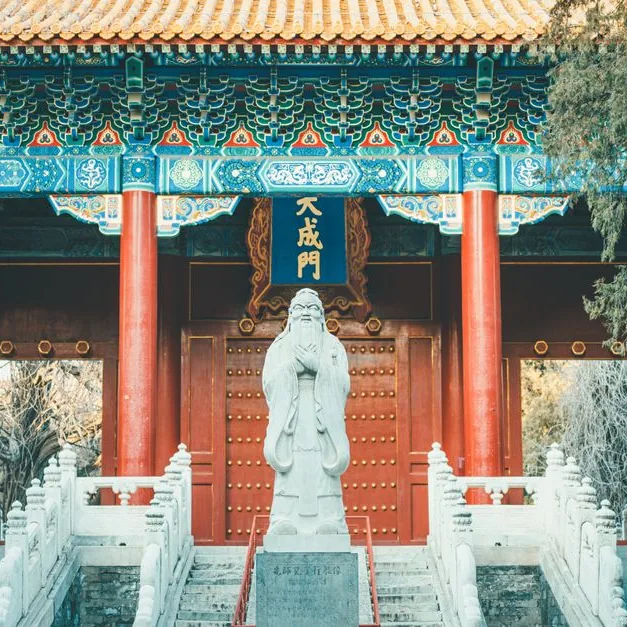
Liǎng qiān wǔ bǎi duō nián qián, Zhōngguó chūxiàn le yí wèi wěidà de sīxiǎngjiā hé jiàoyùjiā Kǒngzǐ. Tā chūshēng zài jīntiān de Shāndōng, xiǎoshíhou jiā li hěn qióng, wèile shēnghuó zuòguo hěn duō gōngzuò. Dànshì wúlùn duō máng, tā dōu jiānchí xuéxí, cóngbù mǎnzú. Zhǎngdà yǐhòu, Kǒngzǐ kāishǐ gěi xuésheng shàngkè, jùshuō tā de xuésheng xiānhòu dádào sān qiān rén, qízhōng bù shǎo hòulái chéngwéi le yǒumíng de rénwù. Tā zuì yǒumíng de shì jiāo xuésheng de fāngfǎ: tóng yí ge wèntí, bùtóng de xuésheng huì dédào wánquán xiāngfǎn de huídá. Yǒu yí cì, yí ge xìngzi jí de xuésheng wèn tā: 'Tīngdào yí jiàn shì, shì bu shì yīnggāi mǎshàng qù zuò?' Kǒngzǐ ràng tā xiān qù wènwen fùqin hé gēge; lìng yí ge zuò shì bǐjiào màn de xuésheng wèn le tóngyàng de wèntí, Kǒngzǐ què mǎshàng gǔlì tā qù zuò. Biérén bù míngbai, Kǒngzǐ jiěshì shuō: xìngzi jí de rén xūyào xiān lěngjìng xiàlai, xìngzi màn de rén jiù xūyào tuī yì bǎ. Kǒngzǐ qùshì hòu, xuéshengmen bǎ tā jiǎngguo de huà jìlù le xiàlai, zhèxiē nèiróng hòulái chéngwéi yì běn hěn yǒumíng de shū. Liǎng qiān duō nián lái, zhè běn shū yìzhí yǐngxiǎngzhe Zhōngguó rén de sīxiǎng hé shēnghuó. Kěyǐ shuō, Kǒngzǐ liú gěi hòurén de bù zhǐ shì zhīshi, gèng shì yì zhǒng shēnghuó de zhìhuì.
两千五百多年前,中国出现了一位伟大的思想家和教育家孔子。他出生在今天的山东,小时候家里很穷,为了生活做过很多工作。但是无论多忙,他都坚持学习,从不满足。长大以后,孔子开始给学生上课,据说他的学生先后达到三千人,其中不少后来成为了有名的人物。他最有名的是教学生的方法:同一个问题,不同的学生会得到完全相反的回答。有一次,一个性子急的学生问他:“听到一件事,是不是应该马上去做?”孔子让他先去问问父亲和哥哥;另一个做事比较慢的学生问了同样的问题,孔子却马上鼓励他去做。别人不明白,孔子解释说:性子急的人需要先冷静下来,性子慢的人就需要推一把。孔子去世后,学生们把他讲过的话记录了下来,这些内容后来成为一本很有名的书。两千多年来,这本书一直影响着中国人的思想和生活。可以说,孔子留给后人的不只是知识,更是一种生活的智慧。
More than two thousand five hundred years ago, China produced a great thinker and educator: Confucius. He was born in today's Shandong. His family was very poor when he was little, and he did many kinds of work to get by. However busy he was, though, he never stopped studying and was never satisfied. When he grew up, Confucius began teaching students; it is said his students eventually numbered three thousand, and many of them later became well-known figures. What he was most famous for was his way of teaching: to the same question, different students would receive completely opposite answers. Once an impatient student asked him: 'If I hear about something, should I go do it right away?' Confucius told him first to consult his father and older brother. Another student, slower by nature, asked the same question, and Confucius at once encouraged him to act. When others could not understand, Confucius explained: an impatient person needs first to calm down, while a slow person needs a push. After Confucius died, his students wrote down what he had said, and those words later became a very famous book. For more than two thousand years that book has continuously shaped the thought and life of the Chinese people. You might say what Confucius left behind was not just knowledge but a kind of wisdom for living.
Kǒngzǐ duì liǎng ge xuésheng gěi chū wánquán xiāngfǎn de huídá, shì yīnwèi shénme?
孔子对两个学生给出完全相反的回答,是因为什么?
Why did Confucius give two students completely opposite answers?
Kǒngzǐ liú gěi hòurén de 'bù zhǐ shì zhīshi, gèng shì yì zhǒng shēnghuó de zhìhuì', zhège shuōfǎ de yìsi zuì kěnéng shì:
孔子留给后人的“不只是知识,更是一种生活的智慧”,这个说法的意思最可能是:
The article ends by saying what Confucius left behind was 'not just knowledge but a wisdom for living'. That sentence most likely means:
Cóng Kǒngzǐ duì liǎng ge xuésheng de bùtóng huídá kěyǐ zhīdao, tā de jiàoyù fāngfǎ yǒu shénme tèdiǎn?
从孔子对两个学生的不同回答可以知道,他的教育方法有什么特点?
From Confucius's different answers to the two students, what is characteristic of his teaching method?
Xiàliè nǎ xiàng nèiróng li méiyǒu tídào?
下列哪项内容里没有提到?
Which of the following is NOT mentioned in the article?
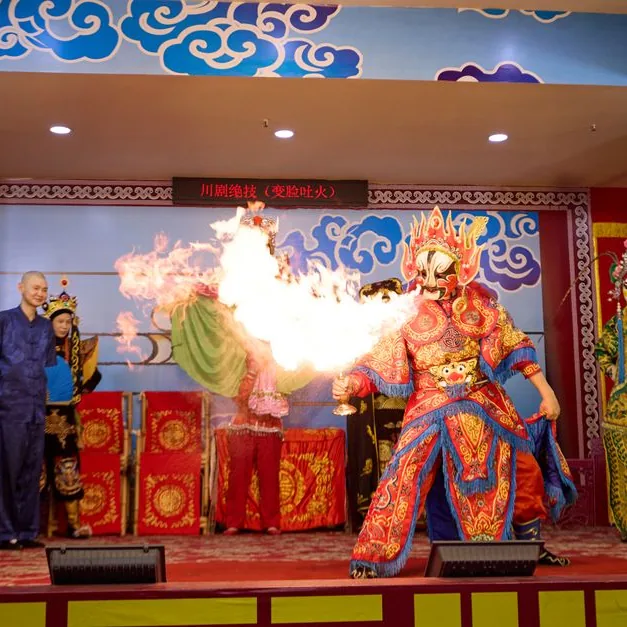
Rúguǒ wèn nǎ zhǒng yìshù zuì néng dàibiǎo Zhōngguó, hěn duō rén de dá'àn huì shì jīngjù. Zhè mén wǔtái yìshù yǒu liǎng bǎi nián zuǒyòu de lìshǐ, bǎ chànggē, yīnyuè, wǔdǎo hé wǔshù jiéhé zài yìqǐ, xíngchéng le zìjǐ dútè de fēnggé. Zài jīngjù zhōng, rénwù de xìnggé chángcháng xiě zài liǎn shang: hóngsè de liǎn dàibiǎo yǒnggǎn zhèngzhí de rénwù, hēisè de liǎn biǎoshì yánsù, gōngpíng de rénwù, báisè de liǎn wǎngwǎng shǔyú huàirén de juésè. Guānzhòng zhǐyào kàn yi yǎn yǎnyuán liǎn shang de yánsè, jiù néng dàgài cāi chū zhège rén shì hǎorén háishi huàirén. Búguò, zhè mén gǔlǎo de yìshù jīntiān de rìzi bìng bù qīngsōng. Hěn duō niánqīngrén juéde jīngjù tài màn, chàngcí yě tīng bu dǒng, tāmen gèng xǐhuan diànyǐng hé wǎngluò shìpín. Diàochá fāxiàn, yuànyi huā qián mǎipiào kàn jīngjù de guānzhòng dāngzhōng, niánqīngrén zhǐ zhàn hěn xiǎo de yí bùfen. Wèile xīyǐn niánqīng de guānzhòng, chàng jīngjù de rénmen xiǎng le hěn duō bànfǎ: bǎ yǎnchū sòng jìn xiàoyuán, zài wǎngshàng zhíbō yǎnchū, shènzhì chángshì bǎ jīngjù hé xiàndài yīnyuè jiéhé qǐlái. Yǒurén dānxīn zhèyàng zuò huì shīqù chuántǒng, yě yǒurén rènwéi, zhǐyǒu ràng gèng duō de niánqīngrén jiēchù jīngjù, xǐhuan shang jīngjù, zhè mén yìshù cáinéng zhēnzhèng huó xiàqù.
如果问哪种艺术最能代表中国,很多人的答案会是京剧。这门舞台艺术有两百年左右的历史,把唱歌、音乐、舞蹈和武术结合在一起,形成了自己独特的风格。在京剧中,人物的性格常常写在脸上:红色的脸代表勇敢正直的人物,黑色的脸表示严肃、公平的人物,白色的脸往往属于坏人的角色。观众只要看一眼演员脸上的颜色,就能大概猜出这个人是好人还是坏人。不过,这门古老的艺术今天的日子并不轻松。很多年轻人觉得京剧太慢,唱词也听不懂,他们更喜欢电影和网络视频。调查发现,愿意花钱买票看京剧的观众当中,年轻人只占很小的一部分。为了吸引年轻的观众,唱京剧的人们想了很多办法:把演出送进校园,在网上直播演出,甚至尝试把京剧和现代音乐结合起来。有人担心这样做会失去传统,也有人认为,只有让更多的年轻人接触京剧、喜欢上京剧,这门艺术才能真正活下去。
Ask which art form best represents China, and many people's answer will be Peking opera. This stage art has a history of roughly two hundred years and combines singing, music, dance and martial arts into its own unique style. In Peking opera a character's personality is often written on the face: a red face stands for a brave, upright figure; a black face marks a serious, fair-minded one; and a white face usually belongs to a villain's part. With one glance at the colors on a performer's face, the audience can roughly guess whether this person is good or bad. These days, however, life is not easy for this ancient art. Many young people find Peking opera too slow and cannot understand the sung lines; they prefer movies and online videos. Surveys show that among those willing to pay for opera tickets, young people make up only a tiny share. To attract younger audiences, the people who perform Peking opera have tried many things: bringing performances onto campuses, streaming shows online, even experimenting with combining Peking opera and modern music. Some worry such moves sacrifice tradition; others believe that only if more young people come into contact with Peking opera and grow fond of it can this art truly survive.
Guānzhòng kào shénme pànduàn jīngjù rénwù de hǎohuài?
观众靠什么判断京剧人物的好坏?
What does the audience rely on to judge whether an opera character is good or bad?
Hěn duō niánqīngrén bù xǐhuan jīngjù de yuányīn shì shénme?
很多年轻人不喜欢京剧的原因是什么?
Why do many young people dislike Peking opera?
'zhè mén yìshù cáinéng zhēnzhèng huó xiàqù', zhège shuōfǎ de yìsi zuì kěnéng shì:
“这门艺术才能真正活下去”,这个说法的意思最可能是:
The article's closing line 'only then can this art truly live on' most likely means:
Gēnjù qiánmiàn de nèiróng, xiàliè nǎ xiàng zhèngquè?
根据前面的内容,下列哪项正确?
Based on the preceding text, which of the following is correct?
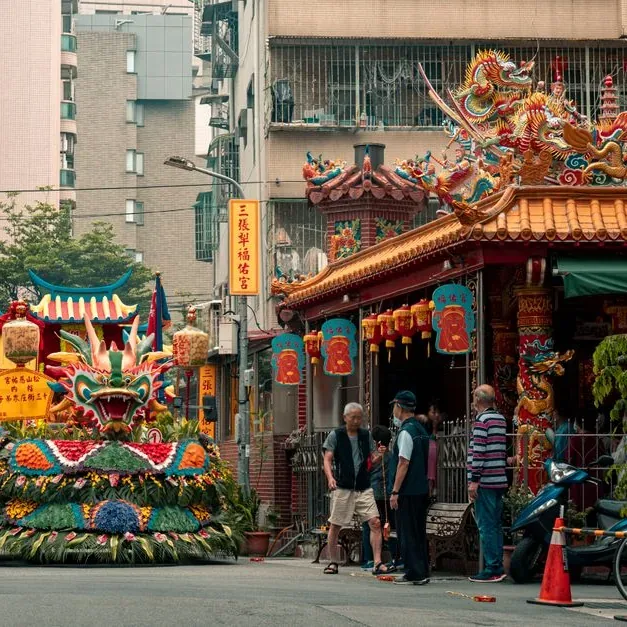
Zài Zhōngguó de chuántǒng jiérì li, Duānwǔjié de yóulái yěxǔ shì zuì ràng rén nánguò de. Liǎng qiān duō nián qián, yǒu yí wèi jiào Qū Yuán de shīrén. Tā zài guójiā dānrèn zhòngyào de gōngzuò, yìxīn xiǎng ràng guójiā qiángdà qǐlai, kěshì dāngshí guǎn shì de rén bù tīng tā de huà, fǎn'ér yuèláiyuè bú xìnrèn tā. Hòulái guójiā bèi dírén dǎbài, Qū Yuán nánguò jí le, zài wǔ yuè chū wǔ zhè yì tiān tiào jìn le jiāng li. Fùjìn de bǎixìng tīngshuō yǐhòu, fēnfēn huázhe chuán qù jiù tā, hái wǎng jiāng li rēng mǐfàn, xīwàng yú chī bǎo le, jiù bú huì qù shānghài Qū Yuán de shēntǐ. Cóng nà yǐhòu, měi nián wǔ yuè chū wǔ, rénmen dōu yòng gè zhǒng fāngshì jìniàn zhè wèi àiguó shīrén: jiānghé shang jǔxíng huáchuán bǐsài; jiā li yòng yèzi bǎ mǐ bāo qǐlai zhǔzhe chī, jùshuō zhèxiē fēngsú kěyǐ bǎohù dàjiā de jiànkāng píng'ān. Zhèxiē fēngsú dōu hé rénmen dāngnián jiù Qū Yuán yǒuguān. Liǎng qiān duō nián guòqu le, Duānwǔjié de fēngsú yìzhí liúchuán dào jīntiān, yǐngxiǎng yě chāochū le Zhōngguó, shìjiè shang bù shǎo dìfang de rénmen yě kāishǐ guò zhège jiérì. Qíshí, rénmen jìniàn de bù zhǐ shì yí wèi shīrén, gèng shì tā shēn shang nà zhǒng àiguó de jīngshen.
在中国的传统节日里,端午节的由来也许是最让人难过的。两千多年前,有一位叫屈原的诗人。他在国家担任重要的工作,一心想让国家强大起来,可是当时管事的人不听他的话,反而越来越不信任他。后来国家被敌人打败,屈原难过极了,在五月初五这一天跳进了江里。附近的百姓听说以后,纷纷划着船去救他,还往江里扔米饭,希望鱼吃饱了,就不会去伤害屈原的身体。从那以后,每年五月初五,人们都用各种方式纪念这位爱国诗人:江河上举行划船比赛;家里用叶子把米包起来煮着吃,据说这些风俗可以保护大家的健康平安。这些风俗都和人们当年救屈原有关。两千多年过去了,端午节的风俗一直流传到今天,影响也超出了中国,世界上不少地方的人们也开始过这个节日。其实,人们纪念的不只是一位诗人,更是他身上那种爱国的精神。
Among China's traditional festivals, the origins of the Dragon Boat Festival may be the saddest. More than two thousand years ago there lived a poet named Qu Yuan. He held an important post in the state and longed with all his heart to make it strong, but the people in charge at the time would not listen to him; instead they trusted him less and less. Later the state was defeated by its enemies. Overwhelmed with sorrow, Qu Yuan threw himself into the river on the fifth day of the fifth month. When the local commoners heard the news, they rowed out in boats to save him and threw rice into the water, hoping that if the fish ate their fill they would not harm Qu Yuan's body. From then on, every year on that day people have commemorated this patriotic poet in many ways: boat races are held on rivers and lakes; at home rice is wrapped in leaves and boiled, and these customs are said to protect everyone's health and safety. All of these customs are connected with people's rescue of Qu Yuan long ago. More than two thousand years have passed, the customs of the Dragon Boat Festival have been handed down to today, and their influence has spread beyond China; people in quite a few places around the world now celebrate the festival too. In truth, what people commemorate is not merely a poet but, even more, the patriotic spirit in him.
Bǎixìng men wǎng jiāng li rēng mǐfàn shì wèile shénme?
百姓们往江里扔米饭是为了什么?
Why did the commoners throw rice into the river?
Cóng rénmen de jìniàn fāngshì kěyǐ kàn chū, dàjiā duì Qū Yuán de tàidù shì shénme?
从人们的纪念方式可以看出,大家对屈原的态度是什么?
Judging from how people commemorate him, what is everyone's attitude toward Qu Yuan?
'gèng shì tā shēn shang nà zhǒng àiguó de jīngshen' shuōmíng rénmen jìniàn Duānwǔjié shíjì shang shì yīnwèi shénme?
“更是他身上那种爱国的精神”说明人们纪念端午节实际上是因为什么?
'and even more the patriotic spirit in him', indicates that what people really commemorate is what?
Gēnjù qiánmiàn de nèiróng, xiàliè nǎ xiàng shuōfǎ zhèngquè?
根据前面的内容,下列哪项说法正确?
Based on the preceding text, which statement is correct?
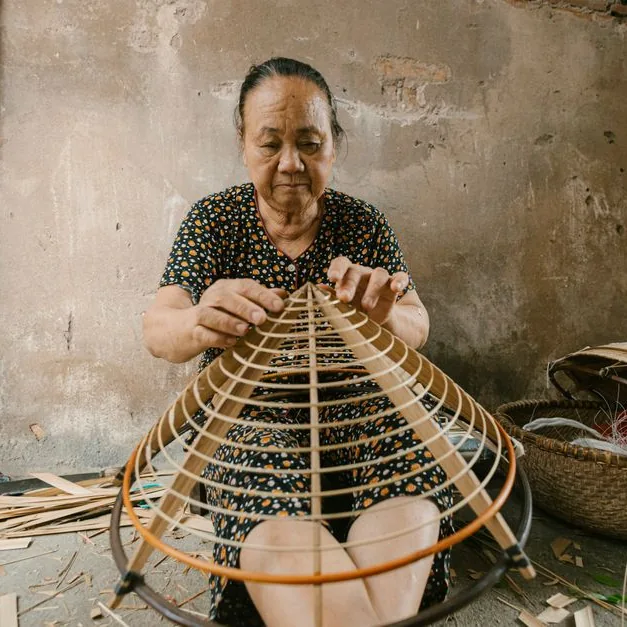
Zài chéngshì de lǎo jiē shang, hái bǎoliúzhe yìxiē chuántǒng gōngyì de gōngzuòshì: zuò sǎn de, huà huà de, zhòng chá de. Zhèyàng de jìshù yí dài yí dài chuán le xiàlai. Kěxī, xiànzài yuànyi xué zhè mén jìshù de niánqīngrén yuèláiyuè shǎo: zuò zhè yì háng zhuànqián bù duō, xuéhuì yòu yào hǎo jǐ nián, hěn duō niánqīngrén gèng yuànyi xuǎnzé láiqián gèng kuài de gōngzuò. Yǒu zhuānjiā zhǐchū, yì zhǒng jìshù yàoshi méiyǒu rén jiēzhe wǎng xià chuán, xiāoshī jiù zhǐ shì shíjiān wèntí. Zhídé gāoxìng de shì, zhè jǐ nián qíngkuàng zhèngzài fāshēng biànhuà: yǒu de xuéxiào bàn le gōngyì kè, qǐng lǎoshī zǒu jìn kètáng; yǒu de dìfang zhèngfǔ wèi zuò gōngyì de rén tígōng jīngjì bāngzhù; hái yǒu niánqīngrén zài wǎngshàng zhíbō jièshào zìjǐ de zuòpǐn, mǎi dōngxi de rén bǐ guòqù duō le hǎo jǐ bèi. Jīqì kěyǐ fùzhì chū zhèxiē dōngxi de xíngzhuàng, què fùzhì bu chū zuò měi jiàn zuòpǐn shí rén de gǎnqíng. Cóng zhège yìyi shang shuō, bǎohù chuántǒng gōngyì qíshí jiù shì bǎohù yì zhǒng rènzhēn shēnghuó de tàidù. Zhè xūyào zhèngfǔ de zhīchí, yě xūyào wǒmen měi ge rén duì zhèxiē rén de zūnzhòng.
在城市的老街上,还保留着一些传统工艺的工作室:做伞的、画画的、种茶的。这样的技术一代一代传了下来。可惜,现在愿意学这门技术的年轻人越来越少:做这一行赚钱不多,学会又要好几年,很多年轻人更愿意选择来钱更快的工作。有专家指出,一种技术要是没有人接着往下传,消失就只是时间问题。值得高兴的是,这几年情况正在发生变化:有的学校办了工艺课,请老师走进课堂;有的地方政府为做工艺的人提供经济帮助;还有年轻人在网上直播介绍自己的作品,买东西的人比过去多了好几倍。机器可以复制出这些东西的形状,却复制不出做每件作品时人的感情。从这个意义上说,保护传统工艺其实就是保护一种认真生活的态度。这需要政府的支持,也需要我们每个人对这些人的尊重。
On the old streets of some cities, workshops of traditional crafts still survive: umbrella makers, painters, tea growers. Skills like these have been handed down generation after generation. Unfortunately fewer and fewer young people are willing to learn this trade these days: craftwork does not pay much, mastering it takes years, and many young people would rather choose jobs that bring money faster. Some experts point out that once nobody carries a skill forward, its disappearance is only a matter of time. Encouragingly, things have begun changing in recent years: some schools have started craft classes and invited teachers into the classroom; some local governments provide financial help for craft workers; and some young artisans present their work through livestreams, where they have gained several times as many customers as before. A machine can reproduce the shape of these objects, but not the human feeling that goes into making each piece. In this sense, protecting traditional crafts is really protecting an attitude of taking life seriously. That requires the government's support, and it also requires every one of us to respect the people who make them.
Zhè piān wénzhāng zhǔyào tán de shì shénme?
这篇文章主要谈的是什么?
What is this article mainly about?
'jīqì kěyǐ fùzhì chū zhèxiē dōngxi de xíngzhuàng, què fùzhì bu chū rén de gǎnqíng', zhège shuōfǎ de yìsi zuì kěnéng shì:
“机器可以复制出这些东西的形状,却复制不出人的感情”,这个说法的意思最可能是:
The closing line 'a machine can copy the shape of these things but not human feeling' most likely means:
Xiàmiàn nǎ zhǒng qíngkuàng gěi zuò gōngyì de rén dài lái le xīn de jīhuì?
下面哪种情况给做工艺的人带来了新的机会?
Which development brought craft workers new opportunities?
2 questions · 40 minutes in the real exam
看图写短文。Write a short story from the pictures.
请根据下面四张图,写一篇不少于100字的故事,写出发生在小明和爸爸身上的故事。
Based on the four pictures below, write a story of at least 100 characters about what happened to Xiaoming and his father.
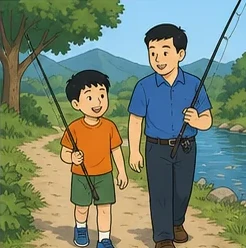
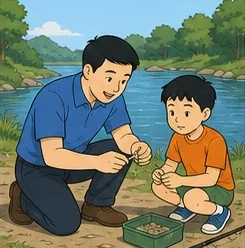
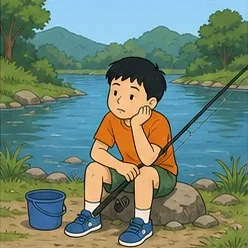
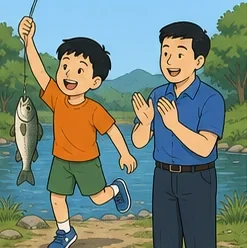
Model answer
星期天一早,小明和爸爸各自扛着鱼竿,沿着河边的小路走去钓鱼。爸爸蹲下身,耐心地教小明怎么把鱼饵挂到钩子上,小明睁大眼睛认真学着。等了好久,小明坐在石头上托着腮,看着水面发呆,有点不耐烦。忽然鱼竿一沉,他猛地拉起线,一条大鱼在半空中甩着尾巴!爸爸在旁边拍手大笑,小明举着鱼,笑得比谁都甜。
One Sunday morning, Xiaoming and his father each shouldered a fishing rod and walked along the riverside path to go fishing. Dad squatted down and patiently taught Xiaoming how to hook the bait, while the boy watched wide-eyed and learned carefully. After waiting a long time, Xiaoming sat on a rock with his chin in his hand, staring at the water, a little impatient. Suddenly the rod dipped; he yanked the line up and a big fish flopped in the air! Father clapped and laughed beside him, and Xiaoming held the fish with the sweetest smile of all.
写作。Write an essay on the topic.
有人说城市生活好,也有人说乡村生活好。请写一篇不少于200字的作文,比较城市和乡村生活的优缺点。
Some say city life is better; others say life in the countryside is. Please write an essay of no fewer than 200 characters comparing the advantages and disadvantages of urban and rural life.
Model answer
chéngshì shēnghuó hé xiāngcūn shēnghuó gèyǒu gè de hǎochù zài dàchéngshì lǐ gōngzuò hé xuéxí de jīhuì gèng duō jiāotōng hé shēnghuó shèshī yě gèngjiā wánshàn nǐ kěyǐ qù bówùguǎn yīnyuètīng gèzhǒng cāntīng shēnghuó fēngfùduōcǎi dàn dàchéngshì yě yǒu míngxiǎn de quēdiǎn fángjià hé wùjià hěn gāo gōngzuò hé shēnghuó jiézòukuài yālì bǐjiào dà xiāngbǐzhīxià xiāngcūn de kōngqìqīngxīn huánjìng ānjìng rén yǔ rén zhījiān de guānxi gèngjiā qīnmì zài xiāngcūn shēnghuó kěyǐ xiǎngshòu màn jiézòu de rìzi dàn gōngzuò jīhuì hé yúlè shèshī xiāngduì shǎo yìxiē wǒ juéde bǐjiào lǐxiǎng de fāngshì shì niánqīng de shíhou zài chéngshì fèndòu niánlíng dà yìxiē zài qù xiāngcūn xiǎngshòu shēnghuó dāngrán měigè rén de qíngkuàng bùtóng zuì zhòngyào de shì zhǎodào ràng zìjǐ mǎnyì de shēnghuó fāngshì
城市生活和乡村生活各有各的好处。在大城市里工作和学习的机会更多,交通和生活设施也更加完善。你可以去博物馆、音乐厅、各种餐厅,生活丰富多彩。但大城市也有明显的缺点,房价和物价很高,工作和生活节奏快,压力比较大。相比之下,乡村的空气清新,环境安静,人与人之间的关系更加亲密。在乡村生活可以享受慢节奏的日子,但工作机会和娱乐设施相对少一些。我觉得比较理想的方式是年轻的时候在城市奋斗,年龄大一些再去乡村享受生活。当然,每个人的情况不同,最重要的是找到让自己满意的生活方式。
City life and country life each have their own benefits. There are more opportunities to work and study in big cities, and transportation and living facilities are also better. You can go to museums, concert halls, various restaurants, and life is rich and colorful. But big cities also have obvious shortcomings. Housing and commodity prices are very high, work and life are fast-paced, and the pressure is relatively high. In contrast, the air in the countryside is fresh, the environment is quiet, and the relationships between people are closer. Living in the countryside allows you to enjoy a slower pace, but there are relatively fewer job opportunities and recreational facilities. I think the ideal way is to work hard in the city when you are young, and then go to the countryside to enjoy life when you are older. Of course, everyone's situation is different; the most important thing is to find a way of life that satisfies you.

5 questions · 23 minutes in the real exam
听后复述。Listen, then retell what you heard.
What you heard
Shàng ge zhōumò, wǒmen xiǎoqū zǔzhī le yí cì Dǎsǎo Wèishēng de huódòng. Shèqū tōngzhī fāchū yǐhòu, jūmín men dōu hěn jījí, jǐ shí ge jiātíng bàomíng cānjiā. Dàjiā fēnwéi jǐ gè xiǎozǔ, yǒu de dǎsǎo lóutī, yǒu de zhěnglǐ xiǎo huāyuán, háiyǒu de shōushí gōnggòng huódòngshì. Suīrán tiānqì yǒudiǎn rè, dàn méiyǒu rén bàoyuàn, fǎn'ér biān gàn biān liáo, tèbié rènao. Huódòng jiéshù hòu, xiǎoqū biànde gānjìng zhěngqí le hěnduō, línjū zhījiān de guānxi yě yīncǐ lājìn le bùshǎo.
上个周末,我们小区组织了一次打扫卫生的活动。社区通知发出以后,居民们都很积极,几十个家庭报名参加。大家分为几个小组,有的打扫楼梯,有的整理小花园,还有的收拾公共活动室。虽然天气有点热,但没有人抱怨,反而边干边聊,特别热闹。活动结束后,小区变得干净整齐了很多,邻居之间的关系也因此拉近了不少。
Last weekend our neighborhood organized a clean-up activity. After the community notice went out, residents were very enthusiastic and dozens of households signed up. Everyone split into small groups: some swept the stairways, some tidied the small gardens, and others cleaned the public activity room. Although it was a bit hot, no one complained; instead people chatted while working, and it was especially lively. After the activity, the neighborhood became much cleaner and tidier, and it also brought the neighbors closer together.
Example answer
Shàngzhōumò xiǎoqū zǔzhī le Dǎsǎo Wèishēng de huódòng, jūmín men jījí bàomíng, fēnzǔ dǎsǎo lóutī, xiǎo huāyuán hé huódòngshì. Suīrán tiānqì rè, dàjiā háishì gàn de hěn kāixīn. Huódòng hòu xiǎoqū biàn gānjìng le, línjū guānxi yě gènghǎo le.
上周末小区组织了打扫卫生的活动,居民们积极报名,分组打扫楼梯、小花园和活动室。虽然天气热,大家还是干得很开心。活动后小区变干净了,邻居关系也更好了。
Last weekend the neighborhood organized a clean-up; residents signed up enthusiastically and split into groups to clean the stairways, small gardens, and activity room. Even though it was hot, everyone worked happily. Afterward the neighborhood was cleaner and the neighbors got along even better too.
What you heard
Xiǎowáng gōngzuò de gōngsī zuìjìn kāishǐ shíxíng línghuó de shàngbān zhìdù, yuángōng kěyǐ zìjǐ xuǎnzé shàngbān hé xiàbān de shíjiān, zhǐyào bǎozhèng měitiān gōngzuò mǎn bā ge xiǎoshí jiù xíng. Gāng kāishǐ dàjiā dōu bú tài xíguàn, dānxīn gōutōng bù fāngbiàn, kāihuì yě nán ānpái. Hòulái gōngsī guīdìng le měitiān dàjiā dōu bìxū zài gōngsī de yí Duàn Shíjiān, wèntí jiù mànmàn jiějué le. Xiànzài xiǎowáng kěyǐ zǎodiǎn jiē háizi fàngxué, tóngshì men yě dōu juéde gōngzuò xiàolǜ fǎn'ér tígāo le.
小王工作的公司最近开始实行灵活的上班制度,员工可以自己选择上班和下班的时间,只要保证每天工作满八个小时就行。刚开始大家都不太习惯,担心沟通不方便,开会也难安排。后来公司规定了每天大家都必须在公司的一段时间,问题就慢慢解决了。现在小王可以早点接孩子放学,同事们也都觉得工作效率反而提高了。
The company Xiaowang works for recently began implementing a flexible work schedule, letting employees choose their own start and end times as long as they complete eight hours of work each day. At first everyone found it hard to adjust, worrying that communication would be inconvenient and meetings hard to arrange. Later the company set a fixed period each day when everyone had to be at the office, and the problem was gradually solved. Now Xiaowang can pick his child up from school earlier, and his coworkers all feel that efficiency has actually improved.
Example answer
Xiǎowáng gōngsī kāishǐ shíxíng línghuó de shàngbān zhìdù, yuángōng kěyǐ zìjǐ ānpái shíjiān, zhǐyào bǎozhèng gōngzuò mǎn bā xiǎoshí. Yì kāishǐ dàjiā bú shìyìng, hòulái gōngsī dìng le dàjiā dōu bìxū zài gōngsī de yí Duàn Shíjiān, wèntí jiù jiějué le. Xiànzài dàjiā juéde xiàolǜ fǎn'ér gèng gāo le.
小王公司开始实行灵活的上班制度,员工可以自己安排时间,只要保证工作满八小时。一开始大家不适应,后来公司定了大家都必须在公司的一段时间,问题就解决了。现在大家觉得效率反而更高了。
Xiaowang's company began implementing flexible hours, letting employees arrange their own schedule as long as they complete eight hours. At first people struggled to adjust, but once the company set a shared period when everyone had to be there, the problem was solved. Now everyone feels efficiency has actually improved.
看图说话。Look at the picture and talk about it.
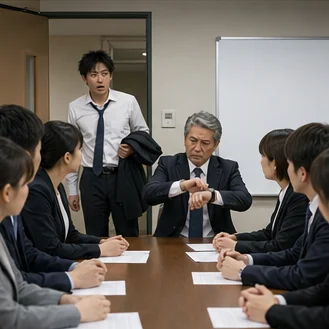
Qǐng gēnjù xiàmiàn de sān fú tú, jiǎngshù tú zhōng de gùshì.
请根据下面的三幅图,讲述图中的故事。
Tell the story shown in the three pictures below.


Example answer
Wǎnshang, yí ge niánqīngrén tǎng zài chuáng shang wán shǒujī yóuxì, yìzhí wán dào bànyè liǎng diǎn duō hái bù xiǎng shuì. Dì-èr tiān zǎoshang, yángguāng yǐjīng zhào jìn le fángjiān, tā xǐnglái yí kàn nàozhōng, fāxiàn yǐjīng kuài jiǔ diǎn le, mǎshàng jǐnzhāng qǐlái, jímáng qǐchuáng. Děng tā gǎndào gōngsī de shíhou, huìyì zǎo jiù kāishǐ le, tóngshìmen dōu kànzhe tā, jīnglǐ de liǎnsè yě hěn nánkàn. Tā hóngzhe liǎn xiàng dàjiā dàoqiàn, xīnli fēicháng hòuhuǐ, juédìng yǐhòu zài yě bù áoyè le.
晚上,一个年轻人躺在床上玩手机游戏,一直玩到半夜两点多还不想睡。第二天早上,阳光已经照进了房间,他醒来一看闹钟,发现已经快九点了,马上紧张起来,急忙起床。等他赶到公司的时候,会议早就开始了,同事们都看着他,经理的脸色也很难看。他红着脸向大家道歉,心里非常后悔,决定以后再也不熬夜了。
In the evening, a young man lay in bed playing games on his phone, and kept playing until after two in the morning without wanting to sleep. The next morning the sun was already shining into the room. When he woke up and looked at the alarm clock, he saw it was almost nine. He panicked at once and hurried out of bed. By the time he rushed into the office, the meeting had long since started. His colleagues all looked at him, and the manager looked very displeased. Red in the face, he apologised to everyone. He deeply regretted it and decided never to stay up late again.
回答问题。Answer the question.
Xiànzài yǒu de rén xǐhuan zàijiā gōngzuò, yǒu de rén háishì xǐhuan měitiān qù gōngsī shàngbān, nǐ juéde nǎ zhǒng gōngzuò fāngshì gènghǎo? Wèishénme?
现在有的人喜欢在家工作,有的人还是喜欢每天去公司上班,你觉得哪种工作方式更好?为什么?
Nowadays some people like working remotely from home, while others still prefer going to the office every day. Which way of working do you think is better, and why?
Example answer
Wǒ juéde zhè liǎng zhǒng gōngzuò fāngshì gè yǒu hǎochù, yào kàn gèrén de qíngkuàng. Shǒuxiān, zàijiā gōngzuò kěyǐ jiéshěng shàngxiàbān de shíjiān, ānpái yě bǐjiào zìyóu, shìhé xūyào zhàogù jiātíng de rén. Lìngwài, qù gōngsī shàngbān néng ràng rén hé tóngshì dāngmiàn jiāoliú, yùdào wèntí kěyǐ mǎshàng tǎolùn, gōngzuò xiàolǜ yěxǔ gèng gāo. Zǒngzhī, wǒ juéde rúguǒ gōngzuò xìngzhì yǔnxǔ, kěyǐ liǎng zhǒng fāngshì jiéhé qǐlái, zhèyàng jì fāngbiàn yòu bù quēshǎo jiāoliú.
我觉得这两种工作方式各有好处,要看个人的情况。首先,在家工作可以节省上下班的时间,安排也比较自由,适合需要照顾家庭的人。另外,去公司上班能让人和同事当面交流,遇到问题可以马上讨论,工作效率也许更高。总之,我觉得如果工作性质允许,可以两种方式结合起来,这样既方便又不缺少交流。
I think both ways of working have their advantages, and it depends on the individual's situation. First, working from home can save commuting time and offers more flexible scheduling, which suits people who need to take care of their families. Also, going to the office lets people communicate with coworkers face to face, and problems can be discussed immediately, which may improve efficiency. In short, I think if the nature of the job allows it, combining both ways would be convenient while still keeping enough communication.
Xiànzài hěnduō rén xǐhuan kànduǎn shìpín, juéde kànshū, kàncháng shìpín tài làngfèi shíjiān, nǐ zěnme kàn zhèzhǒng xiànxiàng?
现在很多人喜欢看短视频,觉得看书、看长视频太浪费时间,你怎么看这种现象?
Nowadays many people like watching short videos and feel that reading books or watching long videos is too much of a waste of time. What do you think of this phenomenon?
Example answer
Wǒ juéde duǎn shìpín quèshí yǒu tā de hǎochù, bǐrú kěyǐ zài hěn duǎn de shíjiān lǐ liǎojiě hěnduō xīnxiān de nèiróng, fàngsōng xīnqíng. Dànshì rúguǒ měitiānhuā tài duō shíjiān kànduǎn shìpín, huì ràng rén yuèláiyuè méiyǒu nàixīn kànwán yì běnshū huòzhě yí bù wánzhěng de diànyǐng, sīkǎo wèntí yě huì biànde bǐjiào jiǎndān. Suǒyǐ wǒ rènwéi kànduǎn shìpín méiyǒu wèntí, dàn yīnggāi kòngzhì shíjiān, tóngshí yě yào liúchū shíjiān dúshū, xuéxí, zhèyàng cáinéng ràng zìjǐ búduàn jìnbù.
我觉得短视频确实有它的好处,比如可以在很短的时间里了解很多新鲜的内容,放松心情。但是如果每天花太多时间看短视频,会让人越来越没有耐心看完一本书或者一部完整的电影,思考问题也会变得比较简单。所以我认为看短视频没有问题,但应该控制时间,同时也要留出时间读书、学习,这样才能让自己不断进步。
I think short videos do have their benefits, such as letting you learn a lot of interesting content in a short time and relax. But if you spend too much time on short videos every day, it can make you increasingly impatient to finish a book or a complete movie, and your thinking may become simpler too. So I think there's nothing wrong with watching short videos, but you should control the time and also leave time for reading and learning, so that you can keep making progress.
Every answer on one page, for checking a sitting all at once.
Writing and speaking have no single right answer, so each question shows an example answer instead.
Take it in the HSK Dragon app and every section is graded, including speaking and writing, and you see your total against the pass mark. There are 10 mock exams for each level.